
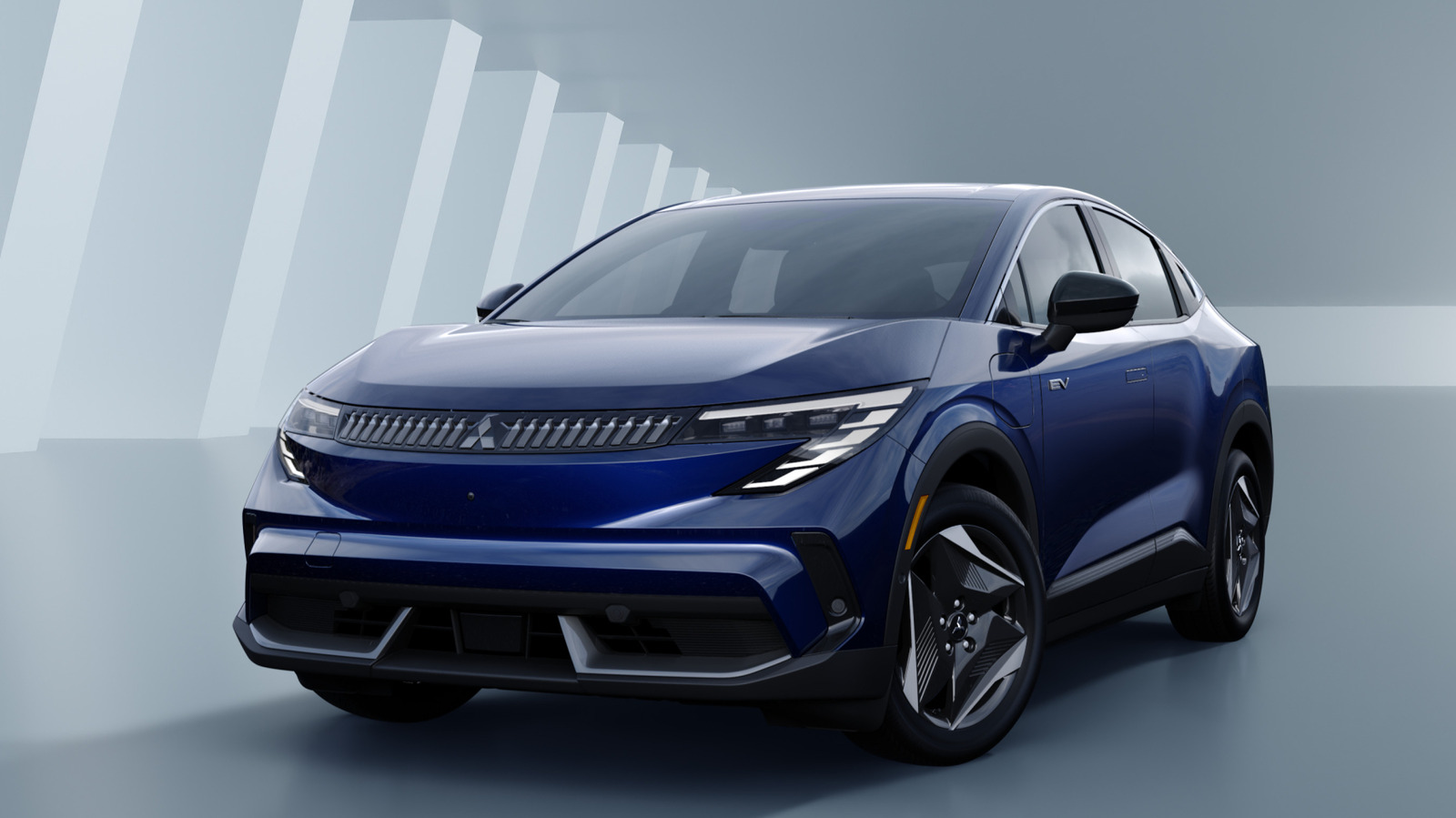
The 2027 Mitsubishi Eclipse Sportback Is Here — and It's Got a Very Familiar Powertrain
When Mitsubishi announced it was bringing back the Eclipse nameplate, enthusiasts had a lot of feelings. The original Eclipse was a beloved sport compact that defined an era of affordable performance cars in the late 1980s and 1990s. Then it went away. Then it came back as an SUV crossover — the Eclipse Cross — which drew mixed reactions at best. Now, Mitsubishi is swinging again with the 2027 Eclipse Sportback, an aerodynamically styled electric vehicle that has the automotive world talking for one very specific reason: underneath all those sleek body panels and tri-spoke aero wheels, it's essentially a Nissan Leaf.
That might sound like a criticism, but depending on your priorities as a car buyer, it could actually be very good news. Here's a deep dive into everything we know about the 2027 Mitsubishi Eclipse Sportback, why its Leaf-based platform matters, and who this car is really built for.
Why Sharing a Platform with the Nissan Leaf Isn't a Bad Thing
Platform sharing is nothing new in the automotive industry. Volkswagen, Audi, SEAT, and Škoda all share underpinnings across dozens of models. Toyota and Subaru famously co-developed the GR86 and BRZ. The practice saves money on engineering and development, and when done right, it allows manufacturers to produce more refined, better-tested products at lower price points.
The Nissan Leaf, for all the criticism it has received over the years, is actually a highly mature, well-developed electric vehicle. It was first introduced in 2010 — making it one of the longest-running mass-market EVs in the world — and Nissan has had more than a decade to refine its systems, improve reliability, and build out a global service network. By tapping into that platform, Mitsubishi inherits a wealth of real-world engineering refinement right out of the gate.
Perhaps most importantly, using the Leaf's architecture could allow Mitsubishi to bring the Eclipse Sportback to market at a significantly lower price point than if they had developed a bespoke EV platform from scratch. In a world where electric vehicles are still fighting for mainstream consumer adoption, price accessibility is one of the single most powerful tools a manufacturer has. A potentially less-expensive Leaf in a sportier body is, by almost any measure, a compelling product.
The Aero-Optimized Design: More Than Just Good Looks
One area where the Eclipse Sportback clearly differentiates itself from the Nissan Leaf is styling. While the Leaf is a practical, sensible-looking hatchback, the Eclipse Sportback goes in a much more expressive direction. The name "Sportback" hints at a fastback-style roofline, and the exterior design is said to prioritize aerodynamic efficiency in a way the Leaf never attempted to.
The standout detail that has drawn the most attention so far is the set of aero-optimized tri-spoke wheels. Wheel aerodynamics are an increasingly important consideration in EV design, since drag-reducing wheel covers or spoke patterns can meaningfully extend driving range. The tri-spoke design on the Eclipse Sportback appears to strike a balance between visual drama and functional airflow management — something that fits perfectly with the car's sportier brand positioning.
The overall silhouette is expected to be lower and more swept than the Leaf, giving the Eclipse Sportback a more dynamic presence on the road. Whether the interior matches that ambition remains to be fully revealed, but early indications suggest Mitsubishi is aiming for a more premium feel inside than the Leaf currently offers.
What the Eclipse Nameplate Means in 2027
For buyers who weren't around or paying attention during the Eclipse's heyday, the name is essentially a clean slate. For those who remember the turbocharged all-wheel-drive Eclipse GSX or the flowing curves of the third-generation coupe, the nameplate carries significant emotional weight. Mitsubishi is clearly banking on both audiences.
Using "Eclipse" on an electric sportback is a smart repositioning move. It signals performance intent without the cost burden of actually building a dedicated sports car platform. It evokes heritage and excitement while being planted firmly in a practical, everyday-usable bodystyle. The Sportback variant in particular — if it follows the European convention — would offer a tailgate and rear hatch access, giving it real-world versatility that a traditional coupe cannot match.
Who Is the 2027 Mitsubishi Eclipse Sportback For?
This car seems purpose-built for a specific type of buyer: someone who wants an electric vehicle that looks more interesting than a standard commuter hatch, doesn't want to spend Tesla Model 3 money to get it, and values the peace of mind that comes with a platform that has been tested and refined over many years in the real world.
- First-time EV buyers who want something stylish but accessible
- Current Nissan Leaf owners looking for an upgrade with more visual flair
- Mitsubishi loyalists excited to see the brand re-engage with more expressive vehicle design
- Compact car shoppers cross-shopping against the Chevrolet Equinox EV, Hyundai Ioniq 5, or Toyota bZ3C
The Eclipse Sportback doesn't need to out-tech or out-perform its competitors to win. It simply needs to offer a compelling package at the right price, and the Leaf-derived platform gives it a real shot at doing exactly that.
Final Thoughts: A Familiar Foundation, a Fresh Direction
The 2027 Mitsubishi Eclipse Sportback is easy to dismiss at first glance. "It's just a Nissan Leaf in a nicer suit" will be a common criticism, and it's not entirely unfair. But that framing misses the bigger picture. In a market that desperately needs more affordable, well-styled EV options, a car that delivers on those fronts — regardless of what platform it sits on — fills a real gap.
If Mitsubishi can nail the pricing, bring genuine aerodynamic and efficiency gains over the donor platform, and inject enough visual excitement to make buyers feel something when they see it in a parking lot, the Eclipse Sportback could be one of the more interesting EV value propositions of the late 2020s. The name is back. Now it just has to live up to it.