
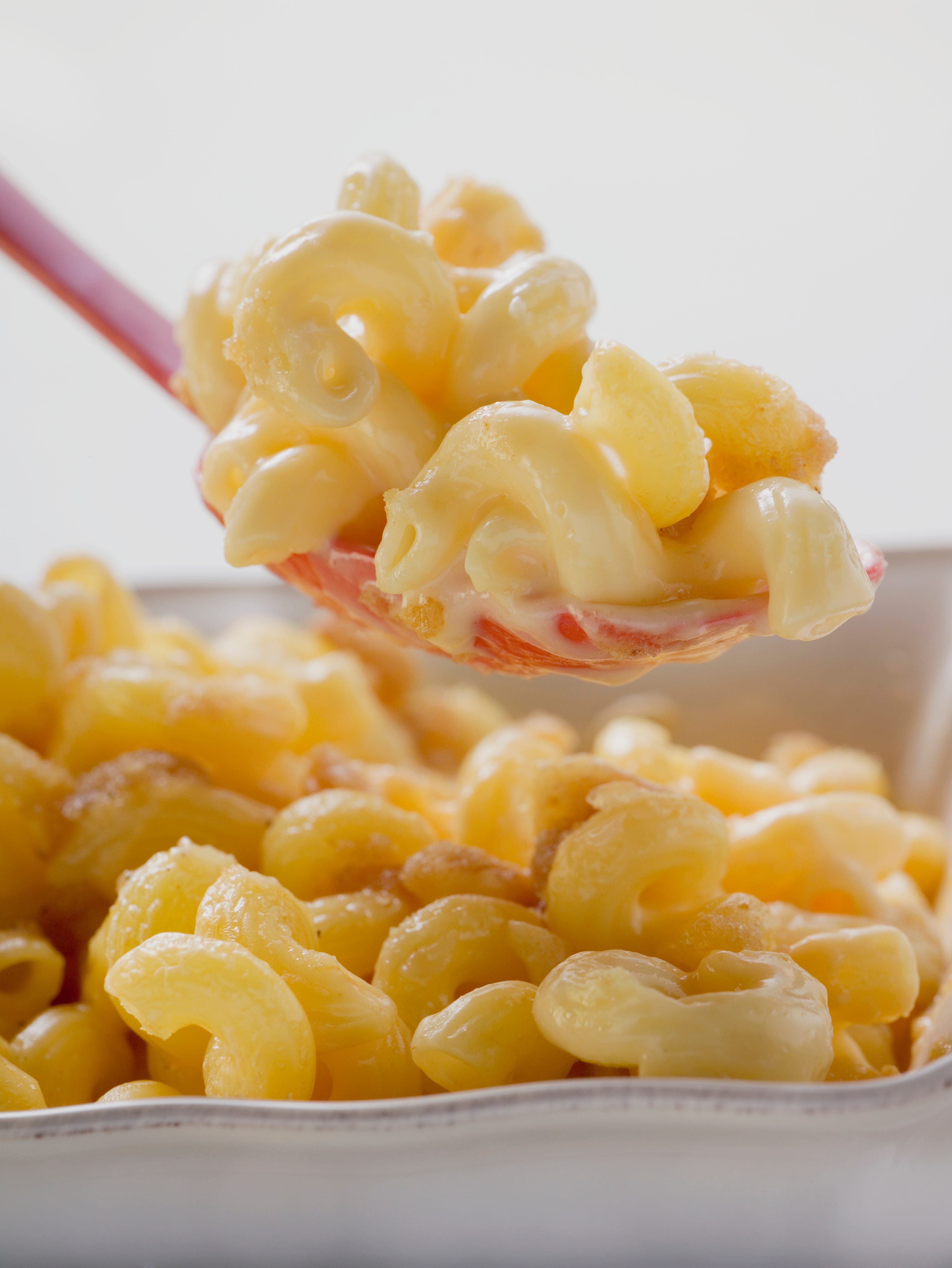
Aldi Mac & Cheese Recall Upgraded to FDA Class II: What Shoppers Need to Know
If you recently picked up a refrigerated mac and cheese meal from Aldi, you may want to check your fridge before your next meal. A nationwide recall affecting more than 500,000 refrigerated mac and cheese products sold at Aldi stores has been officially upgraded to a Class II recall by the U.S. Food and Drug Administration (FDA). The reason? An undeclared allergen that could pose a health risk to sensitive consumers. Here is everything you need to know about the recall, who is at risk, and what steps you should take right away.
What Is the Aldi Mac & Cheese Recall About?
The recall centers on refrigerated mac and cheese meals sold under an Aldi store brand. More than 500,000 units have been identified as potentially affected. The core issue is the presence of an undeclared allergen — meaning an ingredient that can trigger allergic reactions was not properly listed on the product's label. For individuals with food allergies or sensitivities, consuming a product with an undeclared allergen can range from mildly uncomfortable to life-threatening.
Food recalls involving undeclared allergens are among the most common and serious types of consumer safety actions taken by the FDA each year. Manufacturers are legally required under the Food Allergen Labeling and Consumer Protection Act (FALCPA) to clearly disclose the presence of any of the major nine food allergens: milk, eggs, fish, shellfish, tree nuts, peanuts, wheat, soybeans, and sesame. Failure to do so — whether due to a labeling error or cross-contamination during production — can result in a recall.
Understanding FDA Recall Classifications
Not all food recalls are treated equally. The FDA uses a three-tier classification system to communicate the potential severity of a recall to the public:
- Class I: The most serious category. There is a reasonable probability that consuming the product will cause serious adverse health consequences or death.
- Class II: The product may cause temporary or medically reversible adverse health consequences, or the probability of serious harm is remote.
- Class III: Consuming the product is unlikely to cause any adverse health consequences, though it still violates FDA regulations.
The Aldi mac and cheese recall has been upgraded to a Class II designation, meaning the FDA has determined that the undeclared allergen could cause temporary or medically reversible health effects in affected individuals. While this classification indicates a lower risk level than a Class I recall, it should not be taken lightly — especially by those with known food allergies. For people with severe allergic conditions, even a Class II product can trigger dangerous reactions.
Who Is Most at Risk?
The primary concern with any undeclared allergen recall is for individuals who have known allergies or intolerances to specific food ingredients. If the allergen involved in this recall is one that you or a family member is sensitive to, consuming the affected product could lead to symptoms including hives, swelling, difficulty breathing, gastrointestinal distress, or in severe cases, anaphylaxis.
Children, the elderly, and individuals with compromised immune systems are particularly vulnerable. Parents who purchase Aldi meals for their children should be especially vigilant about checking whether the products in their refrigerator fall under this recall.
Even if you have no known food allergies, it is still wise to take note of this recall and check your refrigerator. Sharing meals with guests, family members, or friends who may have undisclosed or undiagnosed allergies adds an additional layer of responsibility.
What Should You Do If You Have the Recalled Product?
If you believe you have purchased one of the affected Aldi mac and cheese meals, here are the recommended steps to take immediately:
- Do not consume the product. Even if you have already opened the packaging or a portion has been eaten without incident, stop consuming it right away.
- Check the packaging. Look for the UPC code, lot number, and best-by date on the product. Compare this information against the official recall notice published by the FDA or Aldi directly to confirm whether your specific item is affected.
- Return it to the store. Aldi typically offers full refunds for recalled products, even without a receipt. Bring the item back to your nearest Aldi location for a refund or exchange.
- Monitor for symptoms. If you or someone in your household has already consumed the product and begins to experience signs of an allergic reaction — such as itching, swelling, rash, or breathing difficulties — seek medical attention promptly.
- Contact Aldi customer service. For questions or concerns, reach out to Aldi's customer care line for additional guidance and support regarding the recall.
How Common Are Food Recalls Like This?
Food recalls due to undeclared allergens occur with notable frequency in the United States. According to FDA data, allergen-related recalls consistently rank among the top reasons for food product recalls year over year. The complexity of modern food manufacturing — where products may be processed on shared equipment or in facilities that also handle allergens — makes cross-contamination a persistent challenge for the food industry.
Retailers like Aldi, which rely on a private-label model with third-party manufacturers, can be particularly susceptible to labeling discrepancies. This is not necessarily a reflection of poor quality control, but rather an inherent challenge in large-scale food production and supply chains. When issues are identified, responsible companies work swiftly with the FDA to initiate and escalate recalls as needed.
Staying Informed About Food Safety Recalls
The best way to protect yourself and your family from recalled food products is to stay consistently informed. There are several reliable resources available to help consumers keep up with active recalls:
- The FDA's official recall database at FDA.gov is updated regularly and allows you to search for active recalls by product type, brand, or date.
- The USDA's Food Safety and Inspection Service (FSIS) covers meat, poultry, and egg products, while the FDA oversees most other packaged foods.
- Signing up for recall alerts via email or text from the FDA ensures you are notified as soon as new recalls are announced.
- Following reputable food safety news outlets and consumer advocacy organizations can also keep you ahead of emerging recall situations.
With more than half a million units affected, the Aldi mac and cheese recall serves as a timely reminder of why food safety vigilance matters. Always read product labels carefully, stay up to date on current recalls, and do not hesitate to return a product if you have any doubts about its safety. Your health and the health of those you share meals with is always worth the extra caution.