
Apple's WWDC 2026 Was Bigger Than It Looked
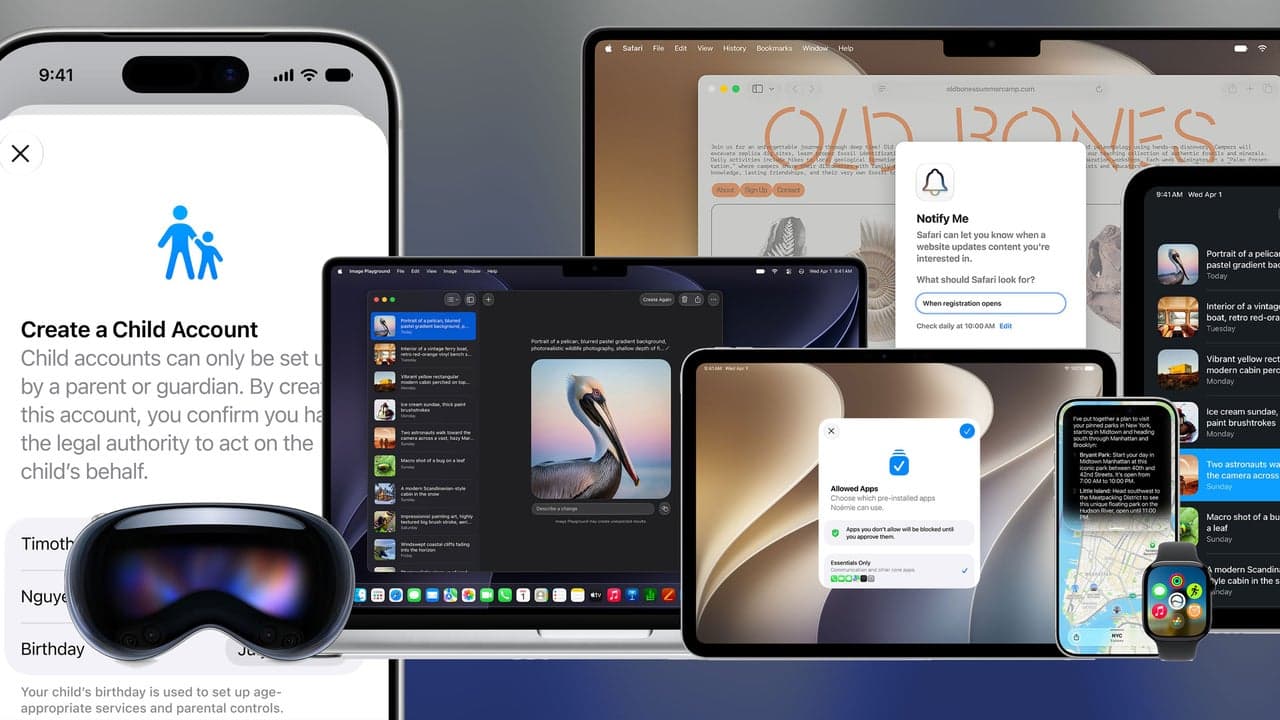
On the surface, Apple's annual Worldwide Developers Conference (WWDC) 2026 keynote looked like a fairly routine showcase. The company walked through the next generation of its operating systems — iOS 27, macOS 27, and iPadOS 27 — made a brief but substantial detour into new parental control features, and then spent the bulk of its time, nearly 40 minutes, unveiling its latest artificial intelligence tools, including a significantly upgraded Siri AI. For many watching, it felt like Apple was simply playing catch-up with competitors like Google, Microsoft, and OpenAI.
And in many ways, that's exactly what it was. The AI announcements weren't surprising. Analysts, journalists, and Apple fans alike had largely anticipated every major reveal before the keynote even began. But if you looked past the surface-level product demos and paid close attention to the structure, tone, and priorities on display, something more revealing emerged. Embedded within Apple's carefully choreographed presentation were three significant clues about where the company is genuinely headed — not just in terms of features, but in terms of its broader business model and brand identity.
Here's a closer look at what those three hidden signals actually mean for Apple's future.
Clue #1: AI Is Being Built to Drive Services Revenue
The first and perhaps most commercially important clue from WWDC 2026 is this: Apple is positioning artificial intelligence as a core engine of its services business, not just a feature add-on to its hardware.
Running AI at scale is expensive. The infrastructure required — the data centers, the chips, the energy consumption, the ongoing model training — represents enormous ongoing costs. For companies whose entire business model is built around AI, this cost is baked into every product and pricing decision. But for Apple, a company that still generates the majority of its revenue from hardware sales, AI creates a different kind of strategic pressure.
Rather than simply absorbing the cost of AI into its device margins, Apple appears to be building a framework where AI capabilities become a premium services offering. Think of it as an extension of the Apple One subscription model. Deeper, more powerful AI features — the kind that require heavy server-side computation — are likely to be gated behind subscription tiers, driving new and recurring revenue streams through the App Store ecosystem, Apple Intelligence subscriptions, and potentially enterprise-level service packages.
This is a significant philosophical shift. Historically, Apple has prided itself on delivering powerful software experiences that feel native and complete within the purchase price of a device. If AI becomes a meaningful services revenue driver, that model starts to change — and consumers should expect more of Apple's most compelling AI features to live behind a paywall in the coming years.
Clue #2: Apple Is Redefining What "Privacy-First AI" Means
The second clue is subtler but equally important: Apple is actively working to make privacy its primary differentiator in the AI space.
Throughout the WWDC 2026 keynote, Apple returned repeatedly to the theme of on-device processing. The company emphasized how many of its new AI features — from enhanced Siri capabilities to smarter photo organization and document summarization — are designed to run locally on Apple silicon, meaning your personal data never leaves your device to be processed on a remote server.
This isn't just a technical choice. It's a brand strategy. In a world where consumers are increasingly wary of how tech giants handle their data, Apple is betting that "AI you can trust" becomes a genuine competitive advantage. While Google and Microsoft build AI experiences that are deeply integrated with cloud infrastructure and user data pipelines, Apple is staking its position on the idea that the most personal AI is the one that stays personal.
For users, this means Apple's AI may sometimes feel less capable or slower to evolve than its cloud-native competitors. The trade-off, Apple is wagering, is one that privacy-conscious consumers will gladly accept — and that trade-off is increasingly relevant as regulatory scrutiny of AI data practices intensifies globally.
Clue #3: AI Is Now Central to Apple's Long-Term Hardware Roadmap
The third clue is perhaps the most forward-looking: Apple is using AI as the primary justification for continued hardware upgrades and the Apple silicon roadmap.
For the past few years, critics have argued that the generational leaps between iPhone and Mac updates have become incremental at best. WWDC 2026 offered Apple's clearest answer yet to that criticism. By tying its most impressive AI features to the latest Apple silicon chips — specifically capabilities only available on devices running M-series or the latest A-series processors — Apple is creating a hardware upgrade incentive rooted in AI functionality.
In other words, if you want the full Apple Intelligence experience, you'll need the latest hardware. This is a smart and familiar Apple playbook, but applied to an entirely new category of product features. The message is clear: future iPhones, Macs, and iPads won't just be faster; they'll be meaningfully smarter in ways that older devices literally cannot replicate.
The Bigger Picture: Apple's AI Strategy Is Deliberate, Not Reactive
It would be easy to walk away from WWDC 2026 thinking Apple is behind. And technologically, in some specific AI benchmarks, it may well be. But the three clues buried within this year's keynote tell a more nuanced story. Apple isn't simply racing to match ChatGPT or Google Gemini feature-for-feature. It's building an AI strategy that is deeply integrated with its existing strengths: premium hardware, a loyal subscription-based ecosystem, and an unwavering commitment to user privacy.
Whether that strategy will be enough to satisfy developers, investors, and consumers in the long run remains to be seen. But one thing is certain — Apple's path forward with AI is far more calculated than the underwhelming keynote headlines might suggest. The clues were there. You just had to know where to look.