
Are Robot Mops Actually Good? What You Need to Know Before You Buy
The robot vacuum has been a household staple for years, quietly roaming floors and rescuing homeowners from pet hair, crumbs, and everyday dust. But something is changing on the showroom floor and in online carts everywhere: the classic robot vacuum is quietly disappearing, replaced almost entirely by robot vacuum-mop combo units. These hybrids promise to vacuum and mop your floors in a single pass — but are they actually good? And are they worth their eye-watering price tags, which can climb north of $1,600 for premium models?
According to Wirecutter writer and vacuum tester Evan Dent, the answer is nuanced. Robot vac-mops can be genuinely useful tools for the right home and the right expectations — but they're not the all-in-one miracle cleaners their marketing might suggest. Here's a deep dive into everything you need to know before spending your money.
Why Robot Vacuums Are Being Phased Out
To understand the robot vac-mop trend, it helps to understand why traditional robot vacuums are disappearing in the first place. The short answer is economics. Standard robot vacuums have essentially hit a profit ceiling. The technology is mature, the market is saturated, and manufacturers have little room to charge premium prices for a product consumers have come to see as commodity hardware.
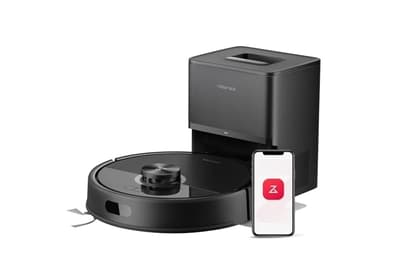
Adding a mopping function changes that equation entirely. By bundling vacuuming and mopping into a single device — complete with self-cleaning docks, automatic detergent dispensers, and app-based scheduling — manufacturers can justify dramatically higher price points. The result is a new product category that benefits the bottom lines of companies like iRobot, Roborock, Ecovacs, and Dreame, even if it doesn't always deliver proportional benefits to the consumers buying them.
Evan Dent explored this shift in depth in his Wirecutter article Even Robots Don't Want to Vacuum, arguing that the move toward vac-mops is as much a business strategy as it is a technological evolution.
How Well Do Robot Vac-Mops Actually Clean?
Here's the honest truth: robot vac-mop combos are decent maintenance cleaners, but they're not remarkable at either task in isolation.
On the vacuuming side, the addition of a mop pad causes these robots to sit slightly higher off the ground than a dedicated vacuum would. That might sound trivial, but it reduces suction efficiency in a measurable way, making them marginally less powerful at picking up debris than a robot vacuum designed solely for that purpose.
On the mopping side, the performance is functional but limited. These machines are great for keeping clean floors clean — wiping away light dust, dried footprints, and surface grime between deeper cleans. However, if you're hoping a robot mop will scrub out tough stains, dried spills, or sticky residue with any real force, you're likely to be disappointed. The scrubbing pressure and pad design simply aren't engineered for heavy-duty stain removal.
Think of a robot vac-mop less like a replacement for your traditional cleaning routine and more like a daily touch-up tool — one that keeps your floors presentable between the times you bring out the real mop and bucket.
What Kind of Home Is a Robot Vac-Mop Best Suited For?
Robot vac-mops thrive in specific environments, and knowing whether your home fits the profile is crucial before making a purchase.
- Single-level homes with hard flooring: These robots are at their best on hardwood, tile, laminate, or vinyl plank flooring. Stairs are essentially a non-starter — no robot vacuum or mop on the market can navigate between floors independently.
- Homes with minimal carpet: While carpet detection technology has improved significantly in recent years, it still isn't perfect. A robot vac-mop may occasionally drag a wet mop pad across your carpet, which is far from ideal. Homes with large carpeted areas should approach these devices with caution.
- Low-clutter spaces: Robot vacuums in general — and the bulkier vac-mop combos especially — navigate best in open, uncluttered floor plans. Tight spaces, excessive furniture legs, and scattered items on the floor can disrupt cleaning paths and reduce effectiveness.
If your home checks most of these boxes, a robot vac-mop could genuinely simplify your cleaning routine. If not, you might find the device frustrating more often than helpful.
The Realities of Bulky Docks and Repairability Concerns
One of the most overlooked downsides of modern robot vac-mop combos is their docking stations. These aren't the slim charging pucks of previous-generation robot vacuums. Today's docks are large, often boxy units that need to store clean water, dirty water, and sometimes even cleaning solution — and they require a meaningful footprint of floor space, often near a power outlet and sometimes near a water source.
Beyond the physical bulk, there's a growing repairability concern. The more complex a device is, the more parts there are to fail. Robot vac-mops contain pumps, wet pad assemblies, sensors, and multiple water reservoirs, all of which represent additional failure points compared to a simple suction-only vacuum. Replacement parts can be expensive and hard to find, and the repair ecosystem for these machines is still immature compared to traditional appliances.
When to Buy and How Much to Spend
If you've decided a robot vac-mop is right for you, timing your purchase wisely can save you hundreds of dollars. These machines are frequently discounted during major retail events, so patience pays off.
The best times to buy include:
- Amazon Prime Day — typically held in July, this is one of the best moments to find steep discounts on robot vacuums and vac-mops.
- Black Friday and Cyber Monday — the November holiday sales window is reliably another peak discount period for this category.
- New model release windows — when manufacturers launch updated versions, retailers frequently discount the previous generation to clear inventory.
As for how much to spend, Evan Dent's advice is practical: aim for a mid-range combo unit at around $600 or below. At that price point, you get capable performance without overpaying for incremental premium features. Top-tier models priced above $1,000 or even $1,600 offer refinements — like quieter docks, faster pad drying, or better mapping — but for most households, a well-reviewed mid-range pick purchased on sale will deliver most of the real-world value at a fraction of the cost.
The Bottom Line: Are Robot Mops Worth It?
Robot vac-mop combos are genuinely useful tools — just not transformative ones. They work best as maintenance devices that keep hard floors tidy on a day-to-day basis, not as replacements for thorough manual cleaning. They're well-suited to single-level, hard-floor homes with open layouts, and they're most worth buying when purchased at a significant discount during a major sale event.
Go in with realistic expectations, pick the right moment to buy, and don't overspend chasing premium features you may never fully use. That's the clearest path to getting real value out of one of today's most hyped home tech gadgets.