
A Moment of Frustration That Sparked a Revolution
Picture this: you walk into a professional event, feel the sudden onset of your period, and rush to the nearest restroom — only to find a rusted, coin-operated dispenser demanding a quarter. In 2026, who carries quarters? For most people, that moment is a minor inconvenience quickly forgotten. For Claire Coder, it was the beginning of a multimillion-dollar business idea that would go on to disrupt an entire industry.
Coder asked a simple but powerful question: "Toilet paper is offered for free. Why aren't period products?" That question became the founding philosophy of Aunt Flow, a company she launched at just 18 years old after dropping out of college. Today, Aunt Flow has delivered more than 34 million menstrual products to thousands of institutions — from Google's headquarters to the home of the NBA's Phoenix Suns — and stands as one of the most compelling B2B infrastructure stories in the femtech space.
Why the Period Products Industry Was Ripe for Disruption
The menstrual products market is a multibillion-dollar global industry, yet for decades it operated largely on outdated models. Public and workplace restrooms relied on coin-operated dispensers that were often broken, stocked inconsistently, or simply ignored. The implicit message was clear: period care was an afterthought, a personal responsibility rather than a shared necessity.
Coder saw things differently. She recognized that menstrual products belong in the same category as toilet paper, hand soap, and paper towels — basic hygiene essentials that institutions should provide as a matter of course. This reframing wasn't just a social statement; it was a shrewd business insight. By repositioning period products as workplace and institutional infrastructure rather than personal consumer goods, she identified an entirely underserved B2B market hiding in plain sight.
The numbers back this up. Millions of people who menstruate experience unexpected periods at work, school, or public venues every single day. The productivity loss, stress, and discomfort associated with being unprepared carry real costs for employers and institutions. A reliable, free-to-access period product solution isn't just a nice-to-have — it's a meaningful workplace wellness investment.
From Solopreneur Startup to B2B Powerhouse
In the early days, Coder did nearly everything herself. She sourced products, built relationships with early customers, and figured out distribution on the fly — the classic solopreneur grind. But what truly set Aunt Flow apart was the strategic pivot that came next: shifting from a simple product sales model to a hardware-as-a-service (HaaS) approach.
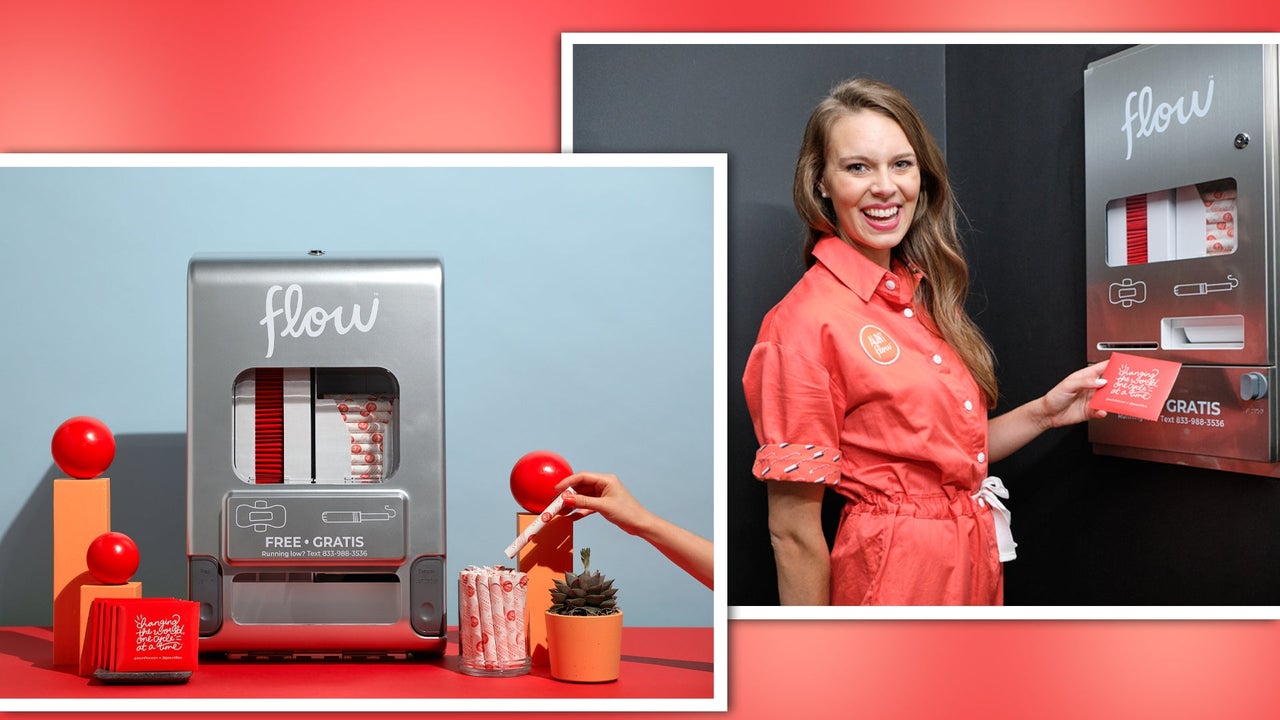
Rather than just selling pads and tampons to businesses, Aunt Flow provides the full ecosystem. The company supplies modern, accessible dispensers alongside a subscription-based restocking service, making it effortless for institutions to maintain a consistent supply of menstrual products. This model turns a one-time transaction into a recurring revenue relationship — one of the most powerful dynamics in modern business.
The HaaS model mirrors what companies like Keurig did for office coffee or what printer companies have done for decades with ink subscriptions. You lower the barrier to entry by providing the hardware, then lock in predictable, long-term revenue through consumable refills. For Aunt Flow, that means the dispensers go in for free or at low cost, and the institutions become ongoing subscribers for product restocking. It's elegant, scalable, and sticky.
Landing Enterprise Clients and Building Institutional Trust
One of the most impressive chapters of Aunt Flow's story is its client roster. Securing a partnership with Google — one of the most recognizable and demanding corporate brands on the planet — is not a small feat for any startup, let alone one founded by a college dropout in her teens. The fact that institutions like Google and NBA franchises have adopted Aunt Flow's model speaks to both the quality of the product and the strength of the business case Coder and her team have built.
Enterprise clients aren't won on passion alone. They require proof of reliability, scalability, and ROI. Aunt Flow has clearly demonstrated all three. For HR departments and facilities managers, the value proposition is straightforward: provide a simple, turnkey solution that improves employee wellness, signals an inclusive workplace culture, and requires minimal internal management. That's a compelling pitch that sells itself.
The Broader Significance: Femtech Meets B2B Infrastructure
Aunt Flow's rise is about far more than period products. It's a case study in identifying underserved markets, reframing how institutions think about basic hygiene, and building a scalable infrastructure business in a category that most investors and entrepreneurs had overlooked.
The femtech sector has grown enormously in recent years, but much of the focus has been on consumer-facing apps and devices. Aunt Flow takes a different path — one rooted in physical infrastructure and institutional partnerships. This B2B-first approach gives the company durable, predictable revenue streams and high switching costs once dispensers are installed and supply relationships are established.
For aspiring entrepreneurs, the lessons here are invaluable. You don't need a flashy app or a cutting-edge algorithm to build a disruptive company. Sometimes the biggest opportunities are hiding in plain sight, lodged inside everyday frustrations that everyone experiences but nobody has bothered to solve properly. A rusted coin-operated box in a restroom, demanding a quarter that nobody has, can be the starting point for a business that reaches millions of people.
What Comes Next for Aunt Flow
With more than 34 million products delivered and a growing list of institutional clients, Aunt Flow has established itself as a genuine market leader in a category it helped define. The runway ahead is substantial. Schools, universities, hospitals, airports, sports arenas, government buildings, and corporate campuses around the world still rely on outdated, ineffective solutions — or no solution at all.
As the conversation around workplace wellness, gender equity, and inclusive infrastructure continues to grow louder, the tailwinds behind Aunt Flow's mission are only getting stronger. Claire Coder's bet on a better answer to a very old problem is paying off — and the industry is still only beginning to catch up.
Sometimes the most powerful business ideas start not with a pitch deck, but with a moment of standing in a restroom, searching your pockets for a quarter you don't have, and deciding that someone really ought to do something about this. Coder decided that someone was her.