
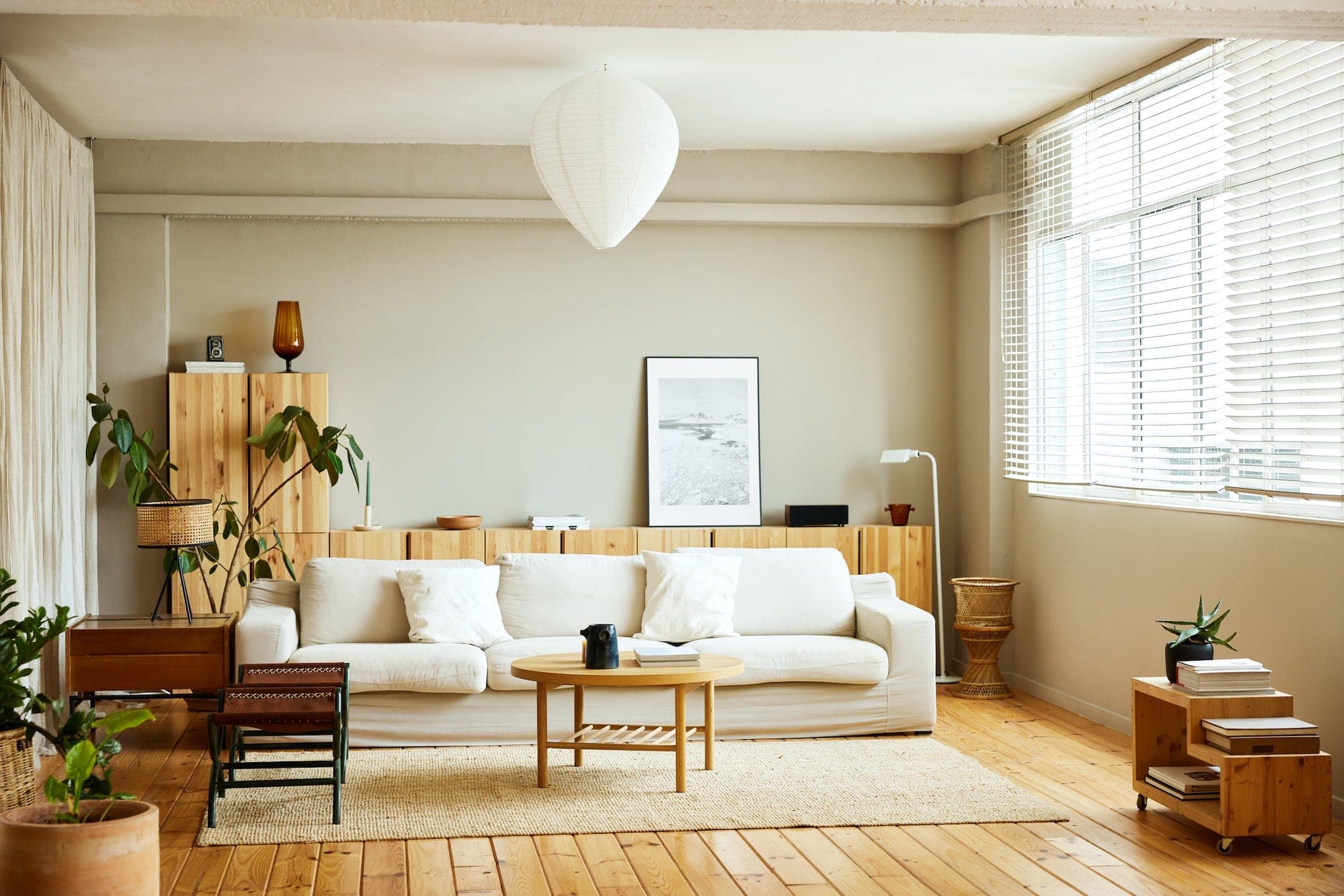
The Old Rulebook Is Out: How Interior Designers Are Decorating in 2026
For decades, interior design has been governed by a firm set of unwritten rules. Don't mix metals. Keep your color palette cohesive. Never push furniture against the wall — or always push it against the wall, depending on who you ask. But in 2026, something has shifted in a big and undeniable way. The designers, decorators, and style professionals who once upheld these guidelines are quietly, confidently breaking them. We are entering an age of "anything goes" when it comes to design, and the pros are leading the charge.
Whether you are renovating your living room, refreshing a tired bedroom, or simply trying to understand what feels current and intentional right now, understanding which rules are being abandoned — and why — can be genuinely liberating. Here is a deep dive into the decorating rules that interior professionals are secretly ignoring in 2026, and what they are doing instead.
1. "You Must Stick to One Design Style"
For years, homeowners were told to commit fully to a single aesthetic — mid-century modern, coastal, Scandinavian minimalism, or maximalist grandeur. Mixing styles was considered chaotic and unrefined. In 2026, that thinking is firmly in the rearview mirror.
Professionals are now enthusiastically blending styles in ways that feel personal rather than prescriptive. A rustic farmhouse dining table paired with sleek, industrial pendant lights and a velvet Art Deco chair is no longer a design faux pas — it is a deliberate, layered statement. The key, designers say, is intention. When you mix styles purposefully and with confidence, the result reads as curated rather than confused. Your home should tell your story, not mirror a showroom catalog.
2. "Matchy-Matchy Is a Must"
The era of the perfectly coordinated furniture set — sofa, loveseat, and armchair all in the same fabric from the same collection — is officially over. Matching sets have long been a safe default for homeowners who were afraid of making the wrong choice, but interior professionals in 2026 are treating them as a design shortcut that drains a space of personality.
Instead, pros are mixing textures, fabrics, and silhouettes within the same color family to create rooms that feel collected and lived-in rather than staged. A linen sofa next to a velvet accent chair in a slightly different shade of sage green, for instance, creates visual interest and depth that a matching set simply cannot achieve. The rule now is harmony, not uniformity.
3. "Neutral Walls Are Always Safest"
The all-white room had a magnificent run. For at least a decade, white and off-white walls were considered the universal safe choice — a blank canvas that would never go out of style and would always make a space feel larger and brighter. Pros in 2026 are quietly moving on.
Deep, moody tones are having a major moment. Forest greens, warm terracottas, charcoal blues, and even rich blacks are appearing on walls, ceilings, and built-ins in some of the most talked-about interiors of the year. Far from making rooms feel smaller, these saturated hues create an enveloping, cozy atmosphere that neutral walls rarely achieve. Designers note that a bold wall color is often one of the most cost-effective ways to completely transform a space — and the current design community is fully on board.
4. "Every Room Needs a Focal Point"
Traditional decorating wisdom insisted that every room needed one clear focal point — a fireplace, a statement sofa, a piece of art — around which everything else was arranged. Designers in 2026 are questioning this hierarchy.
More and more, professionals are designing rooms with multiple points of visual interest that pull the eye around the space rather than anchoring it in one spot. This approach creates a more dynamic, immersive environment where every corner has something worth noticing. It also better reflects how people actually live in and move through their homes, rather than posing in them for a magazine shoot.
5. "Don't Mix Metals"
This is perhaps one of the most stubbornly persistent decorating myths, and one that professionals are particularly eager to debunk. The idea that all hardware, fixtures, and metallic accents must match — all brass, all chrome, all matte black — is a rule that has limited creative expression for far too long.
In 2026, mixed metals are not just acceptable; they are encouraged. Combining warm gold tones with cooler silver finishes, or layering antique brass with brushed nickel, adds warmth, dimension, and a sense of authenticity. The trick is to repeat each metal at least twice in a space so that the combination looks deliberate rather than accidental. Designers now treat metals the same way they treat colors — as elements to be balanced and layered thoughtfully.
6. "Trends Are There to Be Followed"
Perhaps the most radical rule being broken in 2026 is the idea that interior design trends should be followed at all. In an age saturated with social media influence and algorithm-driven aesthetics, the most respected professionals in the industry are turning their backs on trend cycles entirely.
The design philosophy gaining the most traction right now is radical personalization — decorating based on what you genuinely love, what makes you feel comfortable, and what reflects your actual life, rather than what is popular on any given platform at any given moment. Longevity, meaning, and joy have replaced trend alignment as the primary benchmarks for good design.
The Bottom Line: Design in 2026 Is Yours to Define
What unites all of these broken rules is a single, powerful idea: your home should be an authentic reflection of who you are, not a performance of what design is supposed to look like. The professionals leading the field in 2026 are not abandoning good taste or thoughtful composition — they are expanding the definition of both. Old rules served a purpose once, providing a framework when people felt uncertain. But now, the most exciting interiors are the ones that wear their rule-breaking openly, and with great confidence.
So the next time you find yourself hesitating over a bold color, an unconventional furniture pairing, or a metal finish that doesn't match everything else in the room, take your cue from the pros: go ahead and break the rule. Chances are, it was never really a rule to begin with.