
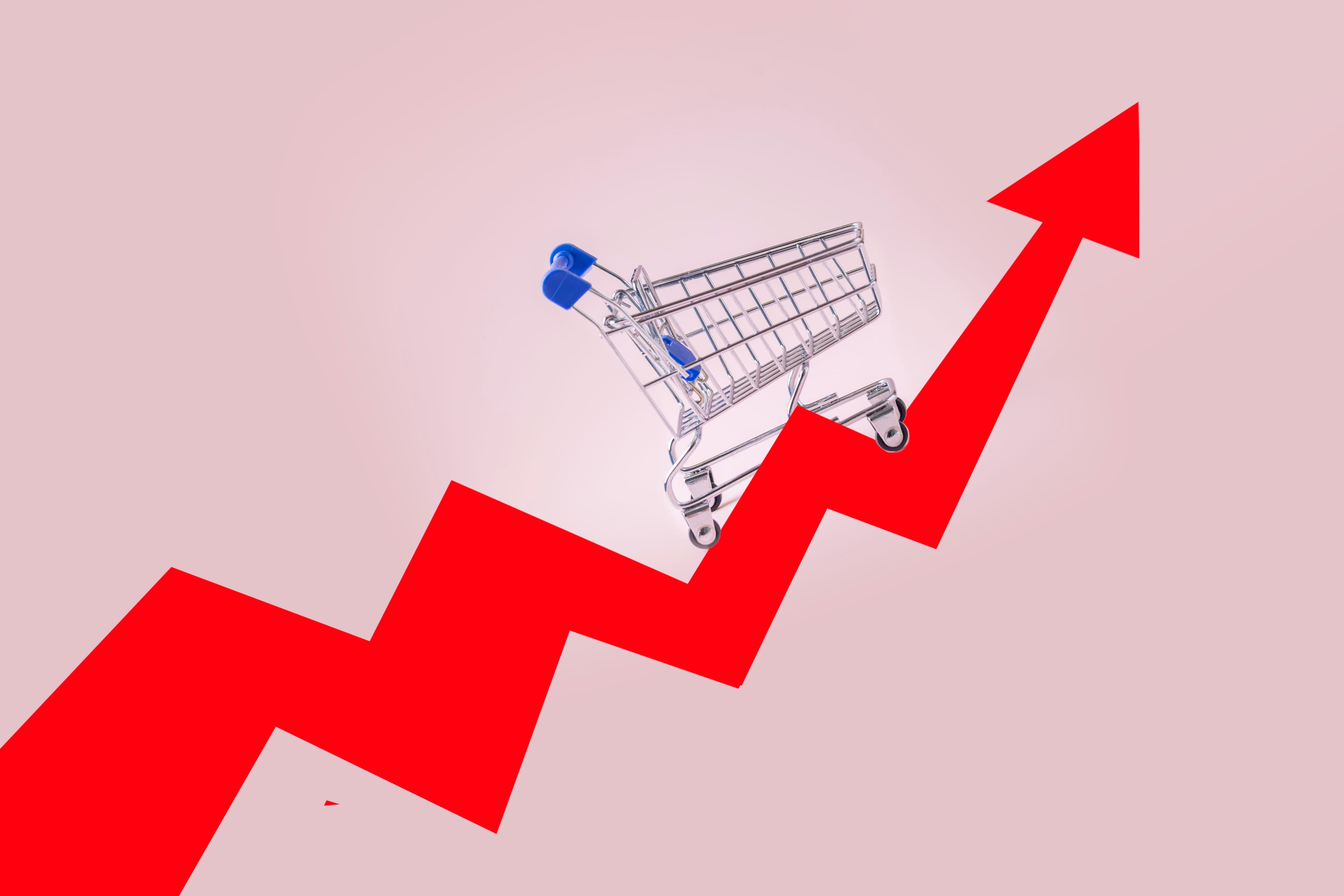
Stop Losing Money at the Grocery Store
Most of us shop for groceries at least once a week, yet very few of us stop to think about whether we're doing it efficiently. The truth is, a handful of deeply ingrained habits — ones that feel completely harmless — can quietly inflate your grocery bill month after month. Over the course of a year, these small missteps can add up to hundreds, sometimes thousands, of dollars wasted. The good news? They're all fixable. Here are seven grocery shopping mistakes that could be costing you far more than you realize, along with practical ways to correct them.
1. Shopping Without a List
Walking into a grocery store without a list is one of the most expensive things you can do. Supermarkets are strategically designed to encourage impulse buying — from the placement of premium products at eye level to the enticing end-of-aisle displays that make items look like unmissable deals. Without a clear plan, you're essentially navigating a carefully engineered spending trap with no map.
Before your next trip, spend five minutes writing down exactly what you need. Better yet, organize your list by store section so you move efficiently and avoid doubling back through aisles where temptation lurks. Studies consistently show that shoppers with lists spend significantly less than those without one.
2. Shopping on an Empty Stomach
This one might sound like a cliché, but the science behind it is real. When you're hungry, your brain craves immediate reward, which means you're far more likely to toss snacks, prepared foods, and other unnecessary items into your cart. Research published in the journal JAMA Internal Medicine found that even mild hunger increased purchases of high-calorie, impulsive food choices.
The fix is simple: eat a snack or a full meal before you head to the store. This small habit alone can shave a meaningful amount off your weekly bill.
3. Ignoring Unit Prices
The sticker price on a product tells you very little about whether you're getting a good deal. A larger package isn't always cheaper per unit, and a sale item isn't always the best value compared to a store-brand alternative. Most grocery stores display the unit price — the cost per ounce, liter, or count — on the shelf label, but shoppers rarely look at it.
Start comparing unit prices before you buy, especially for staples like cereal, coffee, cleaning products, and canned goods. You may be surprised to find that the "family size" isn't always the bargain it appears to be.
4. Overlooking Store Brands
Brand loyalty is a powerful force, and food companies spend billions of dollars cultivating it. But in many product categories — think canned vegetables, pasta, flour, butter, and basic over-the-counter medications — store-brand or generic alternatives are manufactured to the same quality standards as name brands, sometimes even by the same producers.
Switching just a few of your regular name-brand purchases to store-brand equivalents can result in 20 to 30 percent savings on those items. Start with low-risk categories like pantry staples, and you'll likely find you don't notice the difference.
5. Failing to Plan Your Meals for the Week
Shopping without a meal plan is a direct path to food waste, and food waste is money thrown directly in the trash. When you don't plan ahead, you tend to buy ingredients vaguely, overlap on items you already have, or purchase fresh produce that wilts before you get around to using it.
Taking fifteen minutes on a Sunday to map out your dinners for the week — and then building your shopping list from that plan — dramatically reduces both waste and overspending. It also eliminates the nightly "what's for dinner?" scramble that often ends in expensive takeout.
6. Not Checking What You Already Have at Home
How many times have you come home from the grocery store to find you already had three cans of the exact thing you just bought? This kind of duplication is incredibly common and adds up faster than most people expect. Pantry items, condiments, and frozen goods are the biggest culprits.
Before you write your shopping list, do a quick audit of your fridge, freezer, and pantry. Note what needs to be used up soon and build meals around those items. Not only does this prevent duplicate purchases, it helps you reduce food waste and get more value from what you've already spent.
7. Skipping Loyalty Programs and Digital Coupons
If you're not using your grocery store's loyalty program, you are almost certainly leaving money on the table. Most major chains offer free reward programs that provide personalized discounts, points toward future purchases, and access to digital coupons that can be loaded directly onto your account. These aren't trivial savings — regular shoppers can realistically save $10 to $30 per week just by activating available offers before checkout.
Spend a few minutes before each shopping trip browsing the store app for relevant digital coupons. Clip the ones that apply to your list, and let the savings accumulate passively over time.
Small Changes, Big Savings
None of these habits require extreme couponing, hours of research, or major lifestyle changes. They simply require a bit more intention around a routine you're already doing every week. By shopping with a list, eating before you go, comparing unit prices, embracing store brands, planning your meals, auditing your pantry, and using loyalty programs, you can realistically cut your grocery bill by 15 to 30 percent without sacrificing quality or variety. Over a full year, that's a meaningful amount of money back in your pocket — all from tweaking habits you probably didn't know were costing you.