
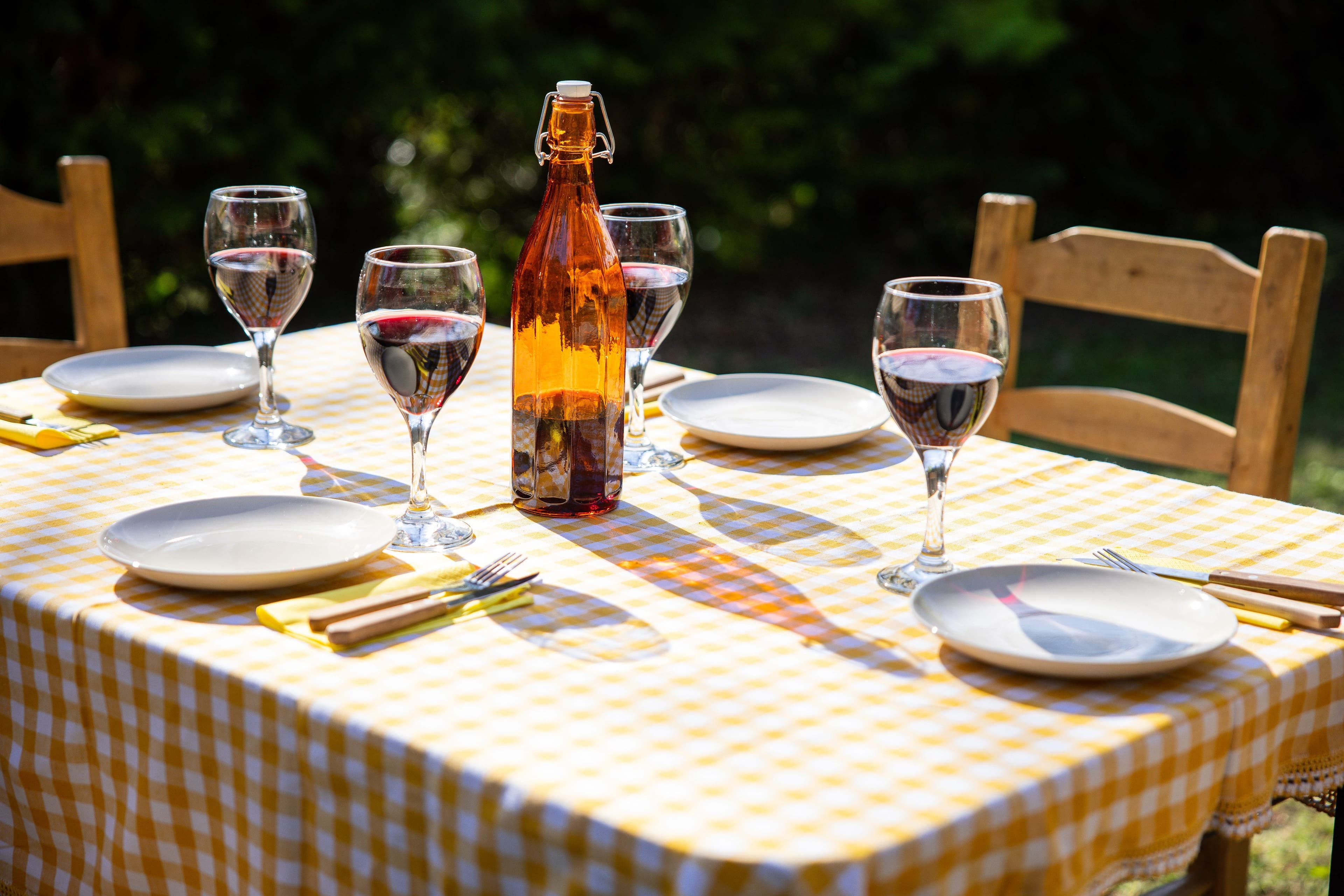
How Long Can Wine Sit Outside? A Wine Expert Explains When Heat Starts to Ruin It
There is nothing quite like enjoying a glass of wine outdoors — whether it is a backyard barbecue, a beach picnic, or a garden party with friends. But if you have ever taken a sip of wine that tastes flat, oddly cooked, or just plain off after sitting in the sun for a while, you already know that wine and heat are not the best of friends. The question is: exactly how long can wine sit outside before the damage becomes noticeable? The answer might surprise you, and once you know it, a handful of simple tricks will keep every bottle tasting exactly as the winemaker intended.
Why Temperature Matters More Than You Think
Wine is a living, breathing liquid that is extremely sensitive to environmental changes. It is made up of hundreds of chemical compounds — acids, tannins, sugars, esters, and aromatic molecules — all of which react to heat in different ways. When those compounds are exposed to elevated temperatures, they begin to break down or transform at an accelerated rate, pushing the wine through its aging process far too quickly and in entirely the wrong direction.
The ideal serving temperature for most wines falls between 45°F and 65°F (7°C to 18°C), depending on the style. Red wines generally prefer the cooler end of room temperature, around 60–65°F, while white wines and sparkling wines are best served chilled, between 45°F and 55°F. The moment a bottle climbs above 75°F (24°C) for any sustained period, the risk of heat damage increases sharply.
How Long Can Wine Actually Sit Outside?
This is where many wine lovers are caught off guard. On a warm summer day — say, 85°F (29°C) in direct sunlight — a bottle of wine can begin to show signs of heat damage in as little as 30 minutes. A glass of wine poured and left in the sun may become noticeably warm and start losing its aromatic complexity in under 20 minutes.
In practice, wine experts generally recommend that an open or sealed bottle should not be left in direct sunlight or high ambient heat for more than one hour. Beyond that threshold, you are playing a risky game with both flavor and quality. At temperatures above 90°F (32°C), the degradation can happen even faster — sometimes within 15 to 20 minutes for a bottle that is already at room temperature when it goes outside.
It is also worth noting that heat damage is cumulative. A bottle that has been transported in a hot car, then left on an outdoor table for an hour, has already accumulated significant thermal stress before you even open it. Each exposure adds up, and there is no way to reverse the damage once it has occurred.
How to Tell If Heat Has Already Ruined Your Wine
Knowing the warning signs of a heat-damaged wine can save you from serving something unpleasant to guests. Here are the most common indicators to look for:
- A cooked or stewed fruit aroma. Instead of fresh, vibrant fruit notes, a heat-damaged wine often smells like jam, prunes, or overcooked berries. The delicate aromatics have been essentially boiled away.
- A flat, dull taste. Heat strips wine of its natural acidity and brightness, leaving it tasting heavy and lifeless on the palate.
- A pushed cork. If a bottle has been subjected to significant heat, the liquid inside expands and can push the cork upward or even out of the bottle. This is a clear visual red flag.
- Seepage around the cork. Liquid leaking from under the capsule is another sign that the wine expanded from heat exposure and leaked out.
- An unusual color shift. White wines may turn a deeper amber or golden-brown, while red wines can take on a brownish, brick-like hue when they have been heat damaged.
Simple Tricks to Keep Wine at the Right Temperature Outdoors
The good news is that keeping wine safe and delicious at an outdoor event does not require expensive equipment or complicated logistics. A few straightforward strategies make a significant difference.
Use an Insulated Wine Bag or Cooler
An insulated wine bag or a compact cooler is your single best tool for outdoor wine service. Even a basic foam cooler with ice packs can keep a bottle at an ideal temperature for several hours. For white wines and sparkling wines, nestle the bottle in ice to maintain a chill throughout the event. For reds, an insulated bag without ice will slow the warming process considerably.
Keep Bottles Out of Direct Sunlight
Shade is a wine's best friend outdoors. Ultraviolet light, combined with heat, accelerates chemical reactions inside the bottle at an alarming rate. Position your bottles under a table, inside a cooler, or in any shaded area whenever they are not being actively poured.
Pour Smaller, More Frequent Glasses
Rather than filling glasses to the brim and letting wine sit, pour smaller amounts more frequently. This keeps each serving fresher and at a better temperature for longer. A half-full glass will warm up more slowly and give you a better tasting experience overall.
Re-Cork Opened Bottles Between Pours
Exposure to heat and oxygen together is a double threat for open wine. Re-cork or re-cap bottles between servings to slow oxidation and minimize the surface area exposed to warm air.
Chill Reds Slightly Before Heading Outside
Many people serve red wine at true room temperature, which in summer can already be above the ideal range. Putting a red wine in the refrigerator for 15 to 20 minutes before heading outdoors gives you a helpful buffer, so the wine has extra thermal runway before it climbs into the danger zone.
The Bottom Line
Wine is more fragile than most people realize, and summer heat is one of its greatest enemies. On a warm day, an unprotected bottle can begin to suffer real, irreversible damage in as little as 30 minutes. The key takeaway is simple: keep it cool, keep it shaded, and pour it fresh. With just a little preparation — an insulated bag here, a shady spot there — every glass you pour outdoors can taste every bit as good as the one you enjoyed inside. Your guests will notice the difference, and so will you.