
How Long Can Wine Sit Outside? A Wine Expert Explains When Heat Starts to Ruin It
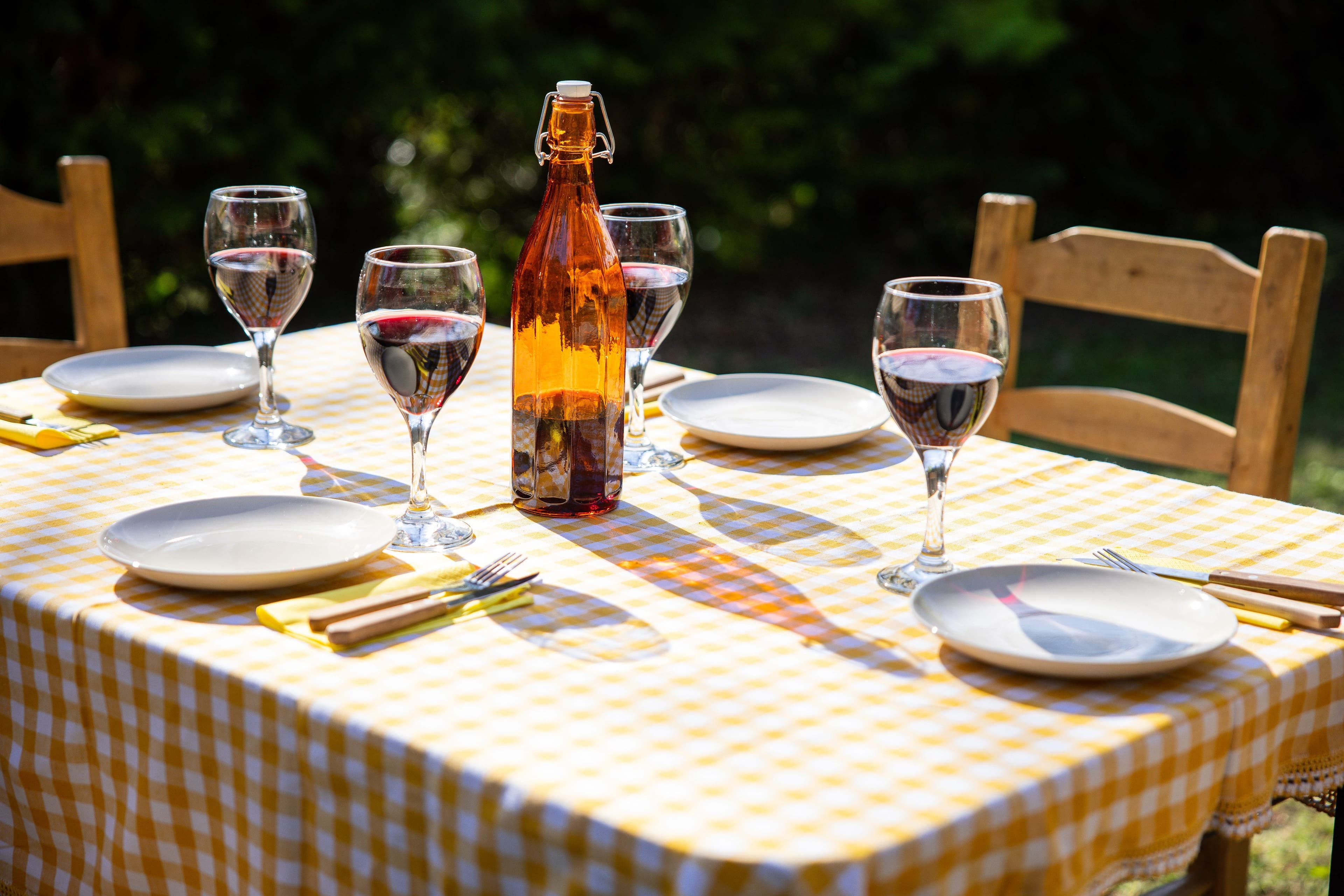
Picture this: a gorgeous summer afternoon, a backyard barbecue, friends gathered on the patio, and a beautiful bottle of wine sitting on the table in full sun. It seems idyllic — until you pour a glass and realize something tastes unmistakably off. Flat, cooked, almost jammy in a bad way. The wine has been heat-damaged, and unfortunately, there is no coming back from it.
Understanding how heat affects wine is one of the most practical pieces of knowledge any wine lover can have. Whether you are hosting an outdoor dinner party, picnicking in the park, or simply leaving a bottle on the kitchen counter on a hot day, knowing the limits can save you from wasting a perfectly good bottle. Here is what wine experts want you to know.
The Temperature Sweet Spot for Wine
Wine is a remarkably sensitive beverage. It thrives within a fairly narrow temperature range — ideally between 45°F and 65°F (7°C to 18°C), depending on the style. Red wines generally prefer the warmer end of that spectrum, while whites and sparkling wines do best toward the cooler end. Once temperatures climb above 70°F (21°C), the clock starts ticking on quality. Above 80°F (27°C), the damage accelerates noticeably. And anything above 90°F (32°C)? You are essentially cooking your wine.
Heat causes the liquid inside the bottle to expand, which pushes wine up against the cork and can even force small amounts out. It also accelerates the chemical reactions that happen naturally during aging — except instead of producing complexity and nuance, rapid heat-driven reactions produce off-flavors, flat aromas, and a dull, lifeless finish.
So, How Long Can Wine Actually Sit Outside?
This is the question everyone wants answered, and the honest answer is: it depends — but not as long as most people assume.
On a mild day where temperatures hover around 65°F to 70°F (18°C to 21°C) in the shade, an unopened bottle of wine can sit outside for several hours without significant damage. That is your safest scenario. Keep the bottle out of direct sunlight, and you are likely fine for a garden party or a slow afternoon lunch.
On a warm day where outdoor temperatures reach 75°F to 80°F (24°C to 27°C), you should aim to limit outdoor exposure to no more than one to two hours, especially if the bottle is sitting in direct sunlight. Sun exposure can raise the temperature inside a dark glass bottle by 10 to 15 degrees above ambient air temperature, which means a bottle sitting in 80°F sunshine could easily be experiencing internal temperatures above 90°F.
On a hot summer day where temperatures exceed 85°F to 90°F (29°C to 32°C), wine left in direct sun can begin to show signs of heat damage within as little as 30 minutes. This is not an exaggeration — wine experts have documented cases of heat-struck bottles resulting from just a short period of intense sun exposure.
What Does Heat-Damaged Wine Actually Taste Like?
Recognizing heat damage is important so you can identify it quickly and, ideally, avoid serving a compromised bottle to guests. Heat-struck wine has a distinctive set of characteristics that are hard to miss once you know what to look for.
- Flat, dull aromas: The bright fruit notes and floral perfumes that make wine exciting simply disappear. What remains smells muted, almost lifeless.
- Cooked or jammy flavors: The fruit character shifts from fresh and vibrant to something resembling cooked jam, stewed fruit, or even prune. This is caused by the accelerated breakdown of aromatic compounds.
- Unpleasant aftertaste: Heat-damaged wine often leaves a harsh, bitter, or oddly sweet finish that lingers in an unpleasant way.
- Pushed cork: If you notice the cork sitting slightly higher than normal or find sticky wine residue around the capsule, heat expansion has physically pushed wine out of the bottle — a near-certain sign of temperature abuse.
Simple Tricks to Keep Wine Fresh Outdoors
The good news is that protecting your wine outdoors does not require fancy equipment or complicated logistics. A few straightforward habits go a long way.
Keep Bottles in the Shade
This is the single most effective thing you can do. Direct sunlight is the enemy. Set up your wine station under a tree, an umbrella, or a shaded canopy. Even a simple cloth draped over bottles can meaningfully reduce sun exposure and help maintain a safer temperature.
Use an Ice Bucket or Cooler
For white wines, rosés, and sparkling wines, an ice bucket is your best friend. It keeps the wine at the ideal serving temperature and protects it from ambient heat. For reds, a cooler with an ice pack — not direct ice — can keep temperatures from climbing dangerously high without chilling the wine too aggressively.
Serve in Smaller Quantities
Rather than leaving the entire bottle on the table, keep it in a cooler and pour smaller amounts more frequently. The less time wine spends exposed to outdoor heat, the better it will taste throughout the meal.
Chill Reds Slightly Before Going Outside
Many people do not realize that red wine is often served too warm, especially at outdoor summer events. Giving a red wine 15 to 20 minutes in the refrigerator before heading outside gives it a buffer against the rising ambient temperature and actually improves the overall drinking experience.
Bring Only What You Need
Resist the temptation to bring every bottle out at once. Leave extras indoors in a cool, dark space and retrieve them as needed. A wine that has been sitting inside at 68°F is always going to taste better than one baking on a patio table.
Does the Type of Wine Matter?
Yes, significantly. Delicate wines — think light-bodied whites like Pinot Grigio or Sauvignon Blanc, aged Burgundies, vintage Champagne — are far more vulnerable to heat damage than robust, fruit-forward reds like Zinfandel or Shiraz. That said, no wine is immune. Even wines that seem to be "built tough" will suffer when exposed to sustained heat.
Fortified wines like Port or Sherry have a slightly higher tolerance due to their elevated alcohol content, but they are not invincible either. When in doubt, treat every bottle with the same level of care and shade.
The Bottom Line
Heat is one of wine's greatest enemies, and the outdoors can be an unforgiving environment for a bottle left unprotected. On a hot, sunny day, serious damage can occur in under an hour. On milder days with smart precautions — shade, ice, and controlled serving — you can enjoy wine outdoors without sacrificing quality. The simple tricks covered here require almost no effort but make an enormous difference in every glass. Treat your wine well, and it will reward you in return.