
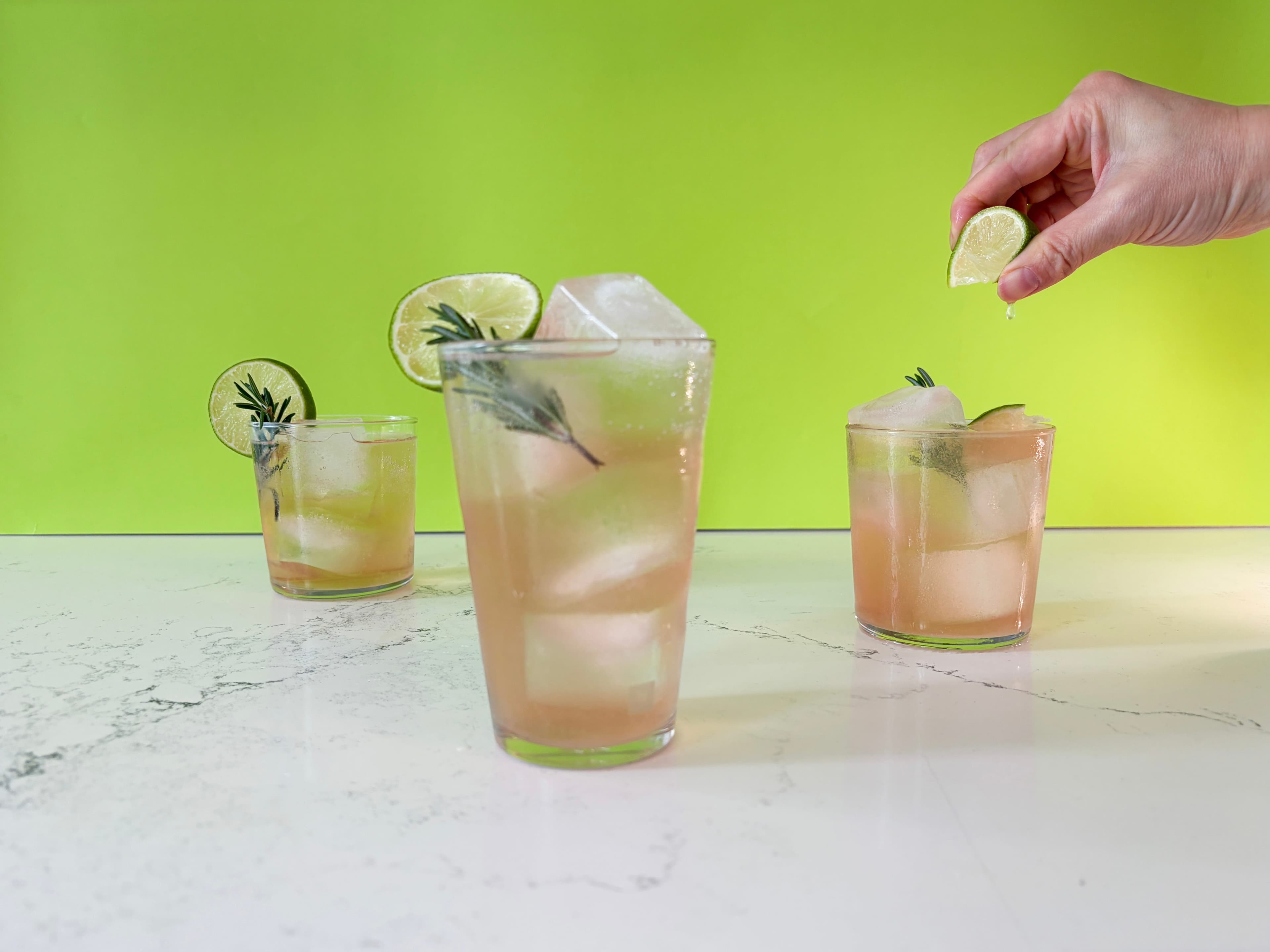
The Hugo Spritz Gets a Rosé Upgrade — And It's Everything
If you've spent any time scrolling through food and drink content this summer, you've almost certainly come across the Hugo Spritz. Originating in the South Tyrol region of northern Italy, this breezy, elderflower-kissed cocktail has been captivating drinkers across Europe for years. But now, a new riff on the classic is stealing the spotlight — and it involves rosé. This Hugo Spritz rosé variation is light, floral, subtly sweet, and impossibly refreshing. In short, it tastes like a Mediterranean vacation in a glass, and it just might be the drink of the summer.
What Is a Hugo Spritz?
Before we dive into the rosé riff, it helps to understand what makes a traditional Hugo Spritz so special. Unlike its more bitter cousin, the Aperol Spritz, the Hugo Spritz leans into delicate floral notes rather than citrus and bitterness. The classic recipe combines prosecco, elderflower syrup (or St-Germain elderflower liqueur), sparkling water, fresh mint, and a slice of lime. The result is something light and elegant — a cocktail that feels effortless to drink and even more effortless to make.
The Hugo Spritz has long been a staple in Italian and Austrian alpine bars, but in recent years it has crossed borders and bar menus worldwide. Its gentle sweetness and low-alcohol profile (compared to spirit-heavy cocktails) make it an ideal choice for warm weather sipping, afternoon aperitivo hours, and long, leisurely dinners on a patio.
Why Rosé Makes It Even Better
Here's where things get interesting. Swapping out prosecco for a dry, crisp rosé wine — or using a combination of rosé and sparkling water — gives the Hugo Spritz an entirely new dimension. Rosé brings a subtle berry-forward fruitiness that complements the floral elderflower notes beautifully, while its pale blush color makes the cocktail look absolutely stunning in the glass. This isn't just an aesthetic upgrade, though. The flavor profile genuinely benefits from the swap.
A good dry rosé has enough acidity to keep the drink from feeling overly sweet, and its fruit-forward character adds complexity without overwhelming the delicate elderflower. When paired with fresh mint and a squeeze of lime, the rosé Hugo Spritz achieves a kind of harmony that makes it nearly impossible to stop at just one glass.
How to Make the Hugo Spritz Rosé Riff
One of the best things about this cocktail is how simple it is to put together. You don't need a cocktail shaker, special equipment, or bartending experience. All you need is a large wine glass, a handful of fresh ingredients, and about two minutes.
Ingredients (serves 1)
- 3 oz dry rosé wine (Provençal style works beautifully)
- 1 oz elderflower liqueur, such as St-Germain, or 1–2 teaspoons elderflower syrup
- 2 oz sparkling water or club soda
- A handful of fresh mint leaves
- 2–3 slices of fresh lime or cucumber
- Ice (plenty of it)
- Optional garnish: a sprig of fresh mint and a lime wheel
Instructions
- Fill a large wine glass generously with ice.
- Add the fresh mint leaves and gently press them against the ice to release their aroma — don't muddle them aggressively, as you want fragrance, not bitterness.
- Pour in the elderflower liqueur or syrup.
- Add the rosé wine and stir gently to combine.
- Top with sparkling water and give the mixture one final, light stir.
- Add lime or cucumber slices, garnish with a mint sprig, and serve immediately.
Tips for the Best Hugo Spritz Rosé
Like any simple cocktail, the quality of your ingredients matters more than technique. A few tips will help you get the most out of this drink every single time.
Choose a dry rosé. Sweet or off-dry rosé wines can tip the cocktail into sugary territory. A crisp, dry Provençal rosé — think wines from the Côtes de Provence appellation — offers the perfect balance of fruit and acidity. Spanish rosados and Italian rosatos are equally wonderful options.
Use real elderflower liqueur when you can. St-Germain is the gold standard, but elderflower syrup (available at most specialty grocery stores) is a perfectly acceptable non-alcoholic substitute if you want to keep the drink lighter.
Don't skip the mint. Fresh mint is non-negotiable in a Hugo Spritz of any variety. It's the aromatic backbone of the cocktail and provides a cool, refreshing lift that ties everything together.
Serve it cold and serve it fast. This is a cocktail that's meant to be enjoyed the moment it's made. The ice, the fizz, and the fresh mint all peak at the point of assembly. Don't let it sit and go flat.
When and Where to Serve It
The Hugo Spritz rosé riff is one of those rare cocktails that fits every summer occasion with grace. It's an ideal aperitivo drink before a dinner party, elegant enough for a garden wedding, and casual enough for a backyard barbecue. Its low-to-moderate alcohol content also makes it a crowd-pleaser for afternoon gatherings where you want something festive but not too heady in the heat.
It also makes a wonderful batch cocktail. Simply scale up the ingredients, combine everything except the sparkling water in a large pitcher, and refrigerate. When guests arrive, pour over ice and top each glass with sparkling water individually to preserve the fizz.
The Bigger Picture: Why the Hugo Spritz Is Having a Moment
The rise of the Hugo Spritz — and now its rosé evolution — reflects a broader shift in how people are drinking. There's a growing appetite for cocktails that are lower in alcohol, lighter in flavor, and built around natural, quality ingredients. The spritz format, with its wine base and effervescent top, naturally fits that profile. It's a drink that feels celebratory without being indulgent, sophisticated without being fussy.
As the summer continues to heat up, this Hugo Spritz rosé riff is poised to become the cocktail that defines the season. It's the kind of drink you'll make once, share with friends, and then find yourself making on repeat all summer long. Consider yourself warned — and thoroughly refreshed.