
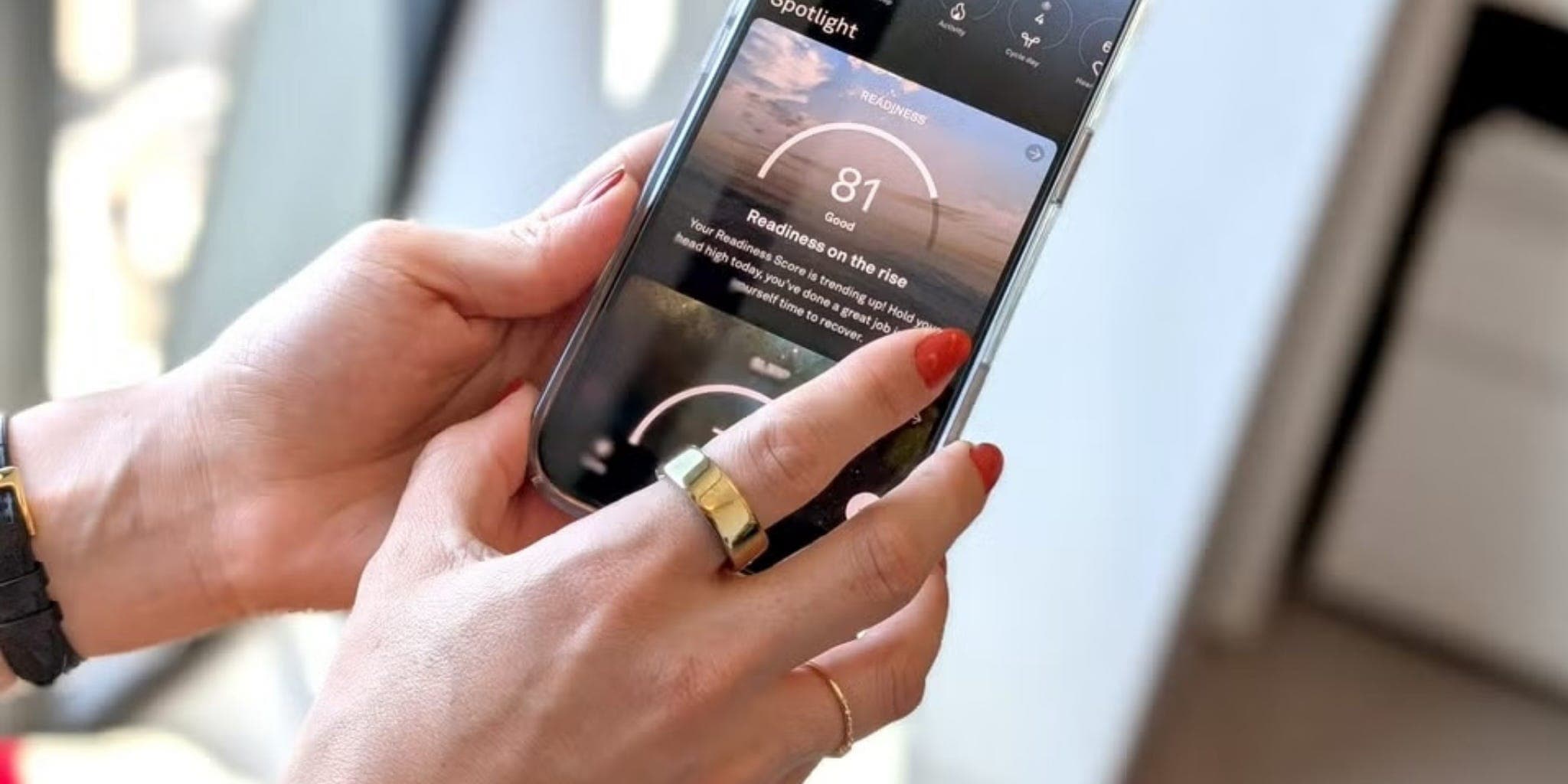
Why the Oura Ring Is Still the Best Wearable You Can Buy
I'll be upfront: I bought my Oura Ring at full price, and while I have absolutely zero regrets about the device itself, I do wish I had a little more patience. Because if there's one thing months of daily use have taught me, it's that the Oura Ring is the kind of purchase that rewards those who wait for the right deal. With Amazon Prime Day rolling around and Oura's newest generation boasting a slimmer design and longer battery life, right now might genuinely be the best time in years to get your hands on one.
Whether you're a fitness enthusiast, a sleep-obsessed productivity nerd, or simply someone who wants a smarter way to track your health without wearing a chunky smartwatch, this article breaks down everything you need to know before clicking "buy."
What Is the Oura Ring, Exactly?
The Oura Ring is a smart ring—a compact, lightweight wearable that fits on your finger and continuously monitors a wide range of health and wellness metrics. Unlike traditional smartwatches with screens and notifications, the Oura Ring takes a quieter, more data-focused approach. It sits on your finger day and night, silently collecting biometric data and syncing it to a companion app on your smartphone.
The ring tracks sleep stages, heart rate variability (HRV), resting heart rate, body temperature, blood oxygen levels, activity, and recovery. All of that data is distilled into three daily scores—Readiness, Sleep, and Activity—that give you an at-a-glance picture of how your body is doing on any given day.
It sounds simple, but the insights can be surprisingly profound once you start paying attention to the patterns over weeks and months.
Months of Real-World Use: What I Actually Noticed
After wearing the Oura Ring daily for several months, I can say confidently that it changed the way I approach rest and recovery. Before the ring, I thought I was a good sleeper. The data told a different story. I was frequently getting far less deep sleep than I assumed, and my HRV was taking a hit on nights when I had a late dinner or a glass of wine. Seeing those correlations laid out visually in the app made it much easier to make small, meaningful changes.
The Readiness Score became something of a daily compass for me. On high-readiness mornings, I'd push harder in workouts. On low-readiness days, I'd swap a run for a walk or a yoga session. Over time, that kind of intentional recovery approach made a noticeable difference in how I felt and performed.
The form factor also deserves serious praise. Unlike a smartwatch, the Oura Ring genuinely disappears into your daily life. You forget you're wearing it—until you open the app and realize it's been quietly working for you the entire time.
The Newest Generation: A Slimmer Design and Longer Battery Life
If you haven't checked in on Oura recently, the latest generation represents a meaningful step forward. The ring is noticeably slimmer than its predecessor, which makes an already comfortable wearable even easier to forget you have on. For those who were put off by the slightly bulkier profile of older models, this update is a genuine game-changer.
Battery life has also improved significantly. Earlier versions required charging every four to five days, which was easy enough to manage but still occasionally disruptive—especially if you forgot and woke up to a dead ring. The newer generation extends that window, meaning fewer charging interruptions and more consistent data collection, particularly overnight when the ring does some of its most important tracking.
Combined, these two upgrades address the most common criticisms of the device without touching any of the things that made it great in the first place.
Why Prime Day Is the Perfect Time to Buy
Here's the honest truth about the Oura Ring: it is not cheap. The hardware itself carries a premium price tag, and there's also an ongoing monthly membership fee required to access the full suite of app features. For many people, that total cost of ownership gives them pause—and rightfully so.
That's where Prime Day comes in. Amazon's annual sales event has consistently delivered some of the best deals on premium wearables, and the Oura Ring is no exception. Discounts during Prime Day can shave a meaningful amount off the upfront hardware cost, which helps offset the subscription fee and makes the overall value proposition considerably easier to swallow.
If you've been on the fence about trying the Oura Ring, Prime Day is historically the single best window to pull the trigger. Buying at full price, as I did, still gets you an excellent product—but buying at a discount gets you the same excellent product with a little extra money left in your pocket.
Is the Oura Ring Right for You?
The Oura Ring isn't for everyone, but it is for a very large and growing group of people. Consider it if any of the following apply to you:
- You struggle with sleep quality and want concrete data to understand what's affecting it.
- You want health tracking without the distraction of a screen on your wrist.
- You're serious about recovery and want to train smarter, not just harder.
- You've tried fitness trackers before but found them uncomfortable to wear around the clock.
- You're interested in long-term health trends rather than just daily step counts.
If you can check even two or three of those boxes, the Oura Ring will likely justify its cost within the first few weeks of use. The insights it provides are genuinely actionable, and the experience of wearing it is seamless in a way that most wearables simply aren't.
Final Verdict: Wait for the Deal, Then Buy Without Hesitation
Months of daily use have solidified my opinion: the Oura Ring is the best wearable I've ever owned, full stop. The newest generation improves on an already excellent formula with a slimmer profile and better battery life, making it more compelling than ever. My only regret is buying at full price when a Prime Day deal was just around the corner.
If you're reading this before Prime Day, do yourself a favor and add it to your watchlist. If you're reading this during or after the sale, check current pricing before dismissing the idea—deals occasionally linger, and even a modest discount makes one of the smartest health investments you can make just a little bit smarter.