
Why Holding a Wine Glass the Right Way Actually Matters
Most of us have been there — standing at a dinner party, wine glass in hand, gripping the bowl like it owes us money. It feels natural, comfortable even. But according to wine experts and sommeliers, that casual habit could be quietly ruining your experience with every single sip. The way you hold your wine glass is not just a matter of etiquette or looking sophisticated. It directly affects the temperature, aroma, and flavor of the wine you worked hard to choose. The good news? Correcting it takes about five seconds and makes an immediate difference.
The Anatomy of a Wine Glass: Know What You're Working With
Before diving into technique, it helps to understand the basic anatomy of a wine glass. A standard stemmed wine glass has three main parts: the bowl, the stem, and the base. Each part serves a distinct purpose, and understanding that purpose will make it much easier to appreciate why where you place your fingers matters so much.
- The bowl is the wide, rounded top section that holds the wine. Its shape is engineered to concentrate aromas and allow proper aeration.
- The stem is the long, slender middle section connecting the bowl to the base. This is the part experts want you to focus on.
- The base is the flat bottom that keeps the glass stable on a surface. In a pinch, you can hold here, but the stem is always preferred.
The Correct Way to Hold a Wine Glass, According to Experts
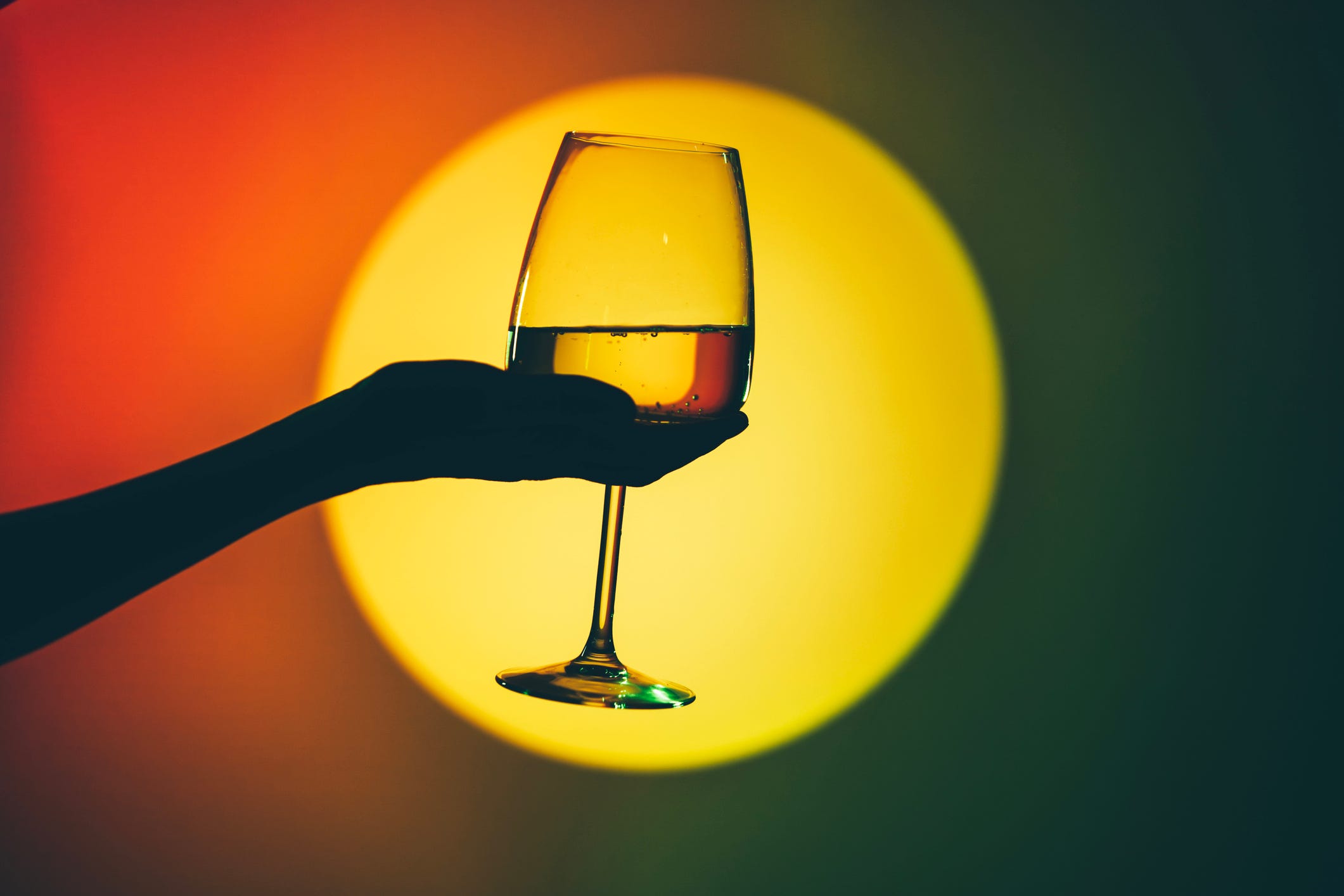
The universally recommended method among sommeliers, wine educators, and hospitality professionals is to hold the wine glass by the stem. Pinch the stem between your thumb and your index and middle fingers, keeping the remaining fingers either lightly resting against the stem or naturally curled in. Your grip should feel relaxed and secure — not tense or forceful.
If you're using a stemless wine glass, which has grown popular in casual settings, the guidance shifts slightly. In that case, hold the glass toward the very bottom of the bowl, as close to the base as possible, to minimize heat transfer from your hand to the wine.
Some wine professionals go even further, recommending holding the glass by the base entirely when you want maximum temperature control — placing your thumb on top of the base and your fingers flat beneath it. This is especially useful during formal tastings where temperature precision is paramount.
How Your Hand Warms the Wine (And Why That's a Problem)
The human hand maintains an average surface temperature of around 90°F (32°C). Wine, by contrast, is best served within carefully calibrated temperature ranges — typically 45–55°F for whites and sparkling wines, and 60–68°F for most reds. When you wrap your hand around the bowl of the glass, you are essentially using your body as a warming device, and wine heats up faster than most people realize.
Within just a few minutes of cupping the bowl, a well-chilled white wine can rise several degrees in temperature. This might sound minor, but in the world of wine, even small temperature changes have outsized effects on how a wine tastes and smells. Wines served too warm tend to taste flabby, with muted acidity and an exaggerated alcohol burn. Whites lose their crisp, refreshing qualities. Reds can become overly tannic or jammy.
Holding the stem keeps your warm hand away from the liquid and preserves the temperature the winemaker and sommelier intended.
Temperature Isn't the Only Thing at Stake — Aroma Matters Too
Here is something many casual wine drinkers overlook: a significant part of how wine tastes is actually how it smells. Aroma and flavor are deeply intertwined in our sensory experience. Wine glasses are deliberately shaped to funnel volatile aromatic compounds upward toward your nose as you drink. The bowl concentrates these aromas, and the rim directs them.
When your hand warms the wine, those aromatic compounds — especially the delicate ones in white wines and sparkling varieties — evaporate more rapidly and in different proportions than intended. The result is a less nuanced, less layered smell, which translates directly into a less complex taste on the palate. You may still enjoy the wine, but you won't be getting everything it has to offer.
Etiquette and Presentation: The Social Dimension
Beyond science, there is also the social dimension of wine glass etiquette. In formal dining settings, restaurants, and wine events, holding a glass by the bowl is generally considered a sign that someone is unfamiliar with wine service customs. While this should never be a source of shame — wine culture can feel intimidating and exclusionary enough as it is — knowing the "right" way to hold your glass gives you confidence and helps you make a positive impression in professional or formal social contexts.
It also keeps your glassware cleaner. Fingerprints and smudges on the bowl of a clear wine glass are not only visually distracting, they can subtly interfere with your ability to observe the wine's color and clarity — both legitimate assessment tools when evaluating quality.
A Quick Guide: Which Wines Need the Most Attention to Temperature?
Not all wines are equally sensitive, but here is a general breakdown of which styles benefit most from careful glass-holding technique:
- Sparkling wines and Champagne are among the most temperature-sensitive. Even a brief warming from your hand can cause carbonation to dissipate faster and flatten the effervescence that defines these wines.
- Crisp white wines such as Sauvignon Blanc, Pinot Grigio, and Albariño depend heavily on their cool serving temperature to express bright acidity and fresh fruit character.
- Full-bodied whites like oaked Chardonnay can tolerate slightly warmer temps but still suffer from being over-handled during a long conversation.
- Light reds such as Pinot Noir and Gamay are often served slightly cool and benefit from stem-holding to maintain that serving temperature.
- Bold reds like Cabernet Sauvignon are the most forgiving, as they are served closest to room temperature — but they still should not be warmed beyond their intended range.
Small Habit, Big Payoff
Making the switch to holding your wine glass by the stem is one of the simplest, lowest-effort upgrades you can make to your wine-drinking experience. It costs nothing, requires no special equipment, and takes only a moment of mindfulness to adopt. Whether you're enjoying a casual glass on a weeknight or attending a formal wine tasting, the habit pays dividends in better temperature control, more expressive aromas, and fuller, more accurate flavor. Next time you reach for a glass, try it — and notice the difference.