
Why the Way You Load Your Dishwasher Actually Matters
Most of us treat the dishwasher like a magical box — toss things in, press a button, and hope for the best. But if you've ever pulled out a plate that's still caked with last night's pasta sauce, you already know that strategy has its limits. As it turns out, the arrangement of your plates inside the dishwasher has a direct and measurable impact on how thoroughly they get cleaned. And Reddit users, ever passionate about the details of everyday life, have been sounding off on exactly how it should be done.
Threads across r/CleaningTips, r/HomeImprovement, and r/LifeProTips have accumulated thousands of upvotes debating the one true method for loading plates in the dishwasher. The consensus is surprisingly clear — and surprisingly specific. If you've been loading your dishwasher wrong all these years, this is your chance to fix it once and for all.
The Reddit-Approved Method for Loading Plates
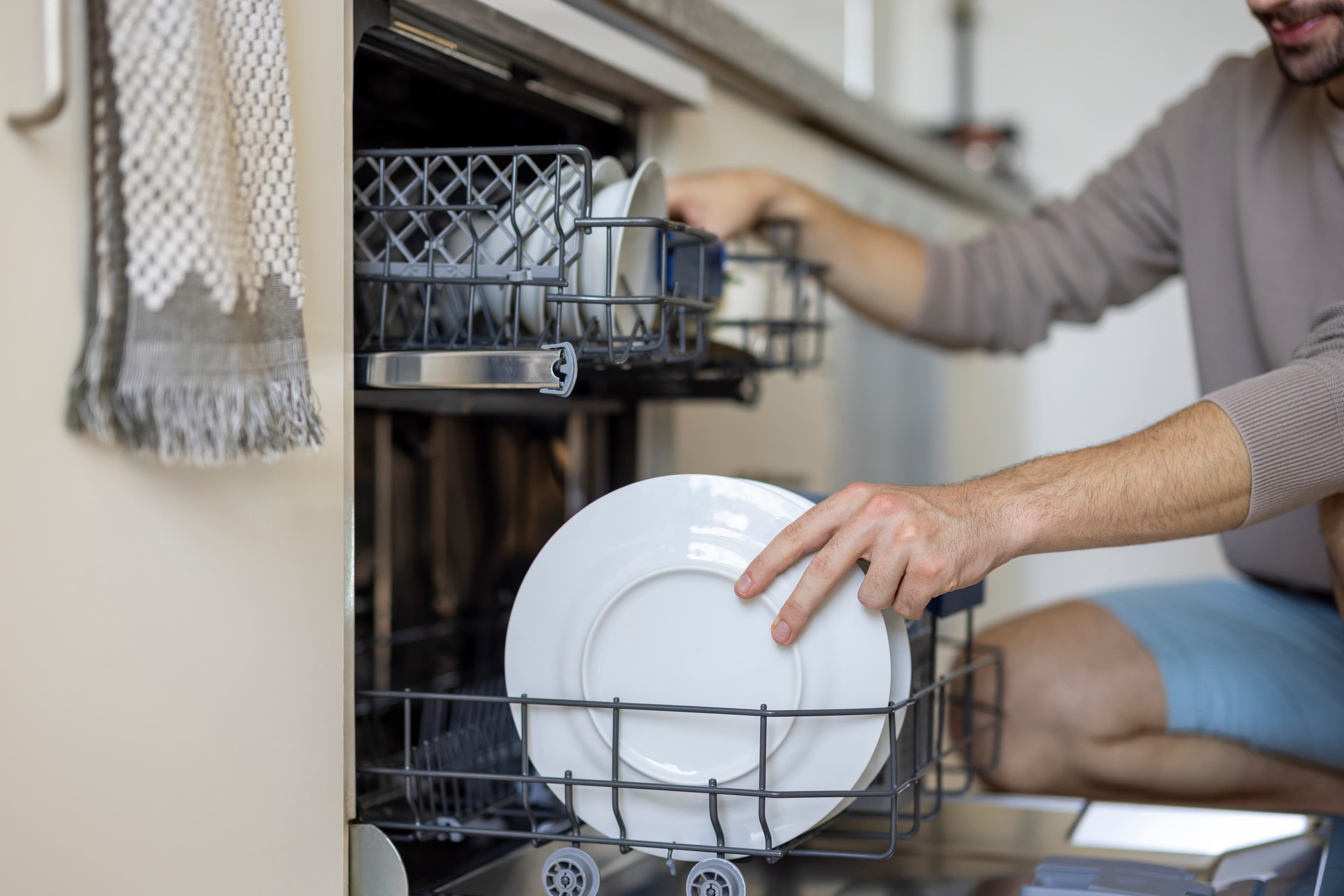
According to countless Reddit threads, the correct way to load plates into the dishwasher comes down to one core principle: all plates should face the center of the machine, with their dirty surfaces angled toward the spray arms. This means that plates on the left side of the lower rack should face right, and plates on the right side should face left. The logic is elegantly simple — the water jets shoot from the center outward and in rotating arcs, so pointing dirty dish surfaces toward the source of the water spray ensures maximum coverage and cleaning power.
Many users emphasized that this isn't just a personal preference or an obsessive quirk. It's basic physics. The spray arms in your dishwasher rotate and distribute pressurized water throughout the interior. If your plates are facing away from those spray arms, they're essentially blocking themselves from being cleaned properly. You're making the dishwasher work against itself.
Common Dishwasher Loading Mistakes You're Probably Making
Facing All Plates the Same Direction
One of the most common mistakes people make is loading every single plate facing in one direction — usually toward the door or all toward the back. While this might look neat and orderly, it creates a situation where half the plates are turned away from the water jets. Those plates are getting significantly less exposure to the spray, which leads to food residue surviving the wash cycle.
Overcrowding the Rack
Reddit users were equally vocal about overcrowding. Packing plates in too tightly restricts water flow between items, creating dry pockets where spray can't reach. The general rule of thumb shared across multiple threads is to leave enough space between each plate so that you can slide a finger between them. If you can't, you've loaded too many.
Blocking the Spray Arms
Tall items like cutting boards, baking sheets, and large serving platters placed in the wrong positions can physically block the rotating spray arms from completing their full rotation. Before you close the door, spin both the upper and lower spray arms manually to make sure nothing is obstructing their path. This takes about five seconds and can dramatically improve cleaning results.
Placing Bowls and Cups Facing Upward
Bowls and cups should always face downward on the upper rack. Placing them face-up causes water to pool inside them rather than draining away. Not only does this mean the inside surfaces don't get properly rinsed, but you also end up with a cup full of dirty dishwasher water when you open the machine — which is exactly as unpleasant as it sounds.
Does Plate Arrangement Really Make That Big of a Difference?
Short answer: yes, genuinely so. Consumer appliance experts and even manufacturers have confirmed that loading technique affects wash performance. Many dishwasher manuals actually include diagrams showing the recommended loading configuration — diagrams that most people never read. The Reddit community has essentially crowd-sourced the wisdom that manufacturers have been quietly printing in instruction booklets for decades.
One frequently cited Reddit comment put it plainly: "Your dishwasher can only clean what the water can reach." That's not a complicated concept, but it reframes the way you think about loading. You're not just arranging dishes — you're engineering the path of the water.
Additional Tips for Getting the Cleanest Dishes Possible
- Pre-rinse strategically: You don't need to scrub plates clean before loading them, but you should scrape off solid food waste. Modern dishwashers are designed to handle grease and residue, not chunks of food that can clog the filter.
- Use the right detergent amount: More detergent does not mean cleaner dishes. Follow the manufacturer's recommended dosage, as excess detergent can leave a filmy residue.
- Run hot water before starting: Before you press start, run your kitchen faucet until the water turns hot. This ensures your dishwasher begins its cycle with already-hot water, improving cleaning effectiveness from the very first minute.
- Clean your dishwasher filter regularly: A clogged filter restricts water flow and reduces the pressure of the spray arms. Most filters can be removed and rinsed in under two minutes — aim to do this once a month.
- Choose the right cycle: Heavy-duty cycles use more water and heat for baked-on messes. A quick or eco cycle is fine for lightly soiled loads but won't tackle tough grime effectively.
The Bottom Line
Loading a dishwasher might seem like a mindless chore, but the way you arrange your plates genuinely determines how clean they come out. The Reddit community has cut through years of bad habits and casual guesswork to land on a method that's backed by simple logic: face the dirty surfaces toward the spray, don't overcrowd, and keep the spray arms clear. It takes no extra time and costs nothing — but it could mean the difference between dishes that sparkle and ones that go straight back into the cabinet with invisible grime still clinging to them. Next time you load up the dishwasher, take an extra ten seconds to think about where the water is actually going. Your plates will thank you for it.