
The Movie That Made Millions of Kids Afraid to Clean Their Rooms
There is a very specific kind of guilt that only a certain generation knows. It strikes in the middle of decluttering, when your hand hovers over a battered stuffed animal or a broken action figure you haven't touched in fifteen years. You know you should donate it, toss it, or pass it along. But then something stops you — a flicker of irrational, deeply ingrained anxiety that whispers: What if it has feelings?
Blame Pixar. Specifically, blame Toy Story.
When the original film debuted in 1995, it didn't just launch one of the most beloved franchises in cinematic history. It planted a seed of emotional reasoning into the minds of an entire generation of children — a seed that, for many of us, has never stopped growing. As the newest entry in the franchise makes its way to theaters, it feels like exactly the right moment to sit with that original film and ask a question we've been avoiding for thirty years: what exactly did it do to us?
A Brief History of Bringing Toys to Life
The idea of toys coming to life is not new. Folklore, fairy tales, and children's literature have been animating playthings for centuries, from Pinocchio to the Velveteen Rabbit. But there is something qualitatively different about what Toy Story accomplished. Where earlier stories asked you to imagine toys as magical, Toy Story presented them as mundanely, heartbreakingly real. Woody and Buzz didn't float or glow. They worried. They felt jealousy and fear and abandonment. They had existential crises about their purpose and their place in the world.
That specificity is what made the film so effective — and so emotionally damaging, in the most affectionate sense of the phrase. Pixar didn't give children a fantasy. It gave them a documentary. At least, that's how a seven-year-old brain experiences it.
The Psychology Behind Why We Believed It
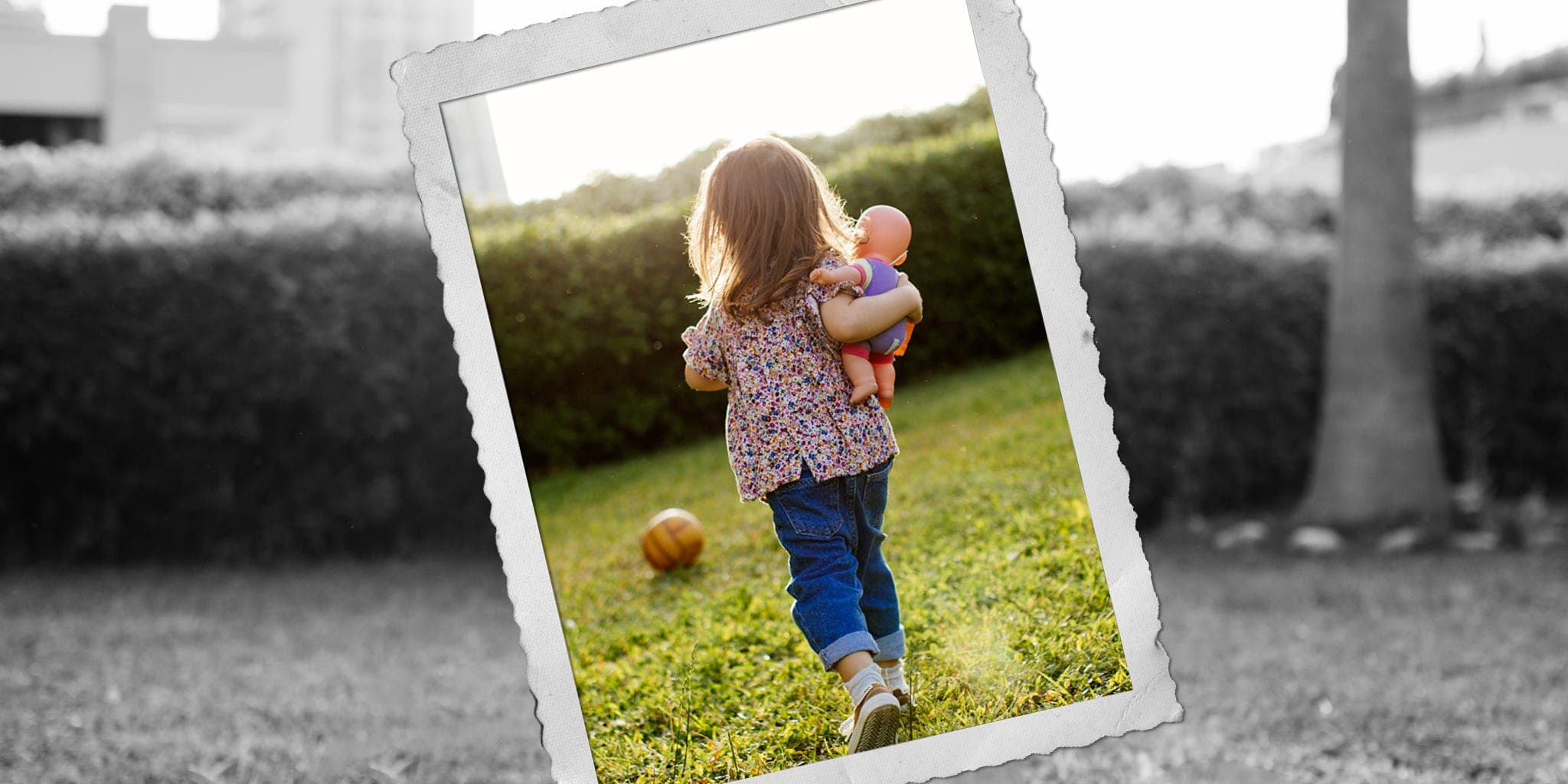
Child development researchers have long studied a concept called animism — the tendency of young children to attribute life, feelings, and intentions to inanimate objects. It's a completely normal stage of cognitive development, typically most pronounced between the ages of two and seven. Kids talk to their toys, apologize to the furniture when they bump into it, and insist that their stuffed animals have preferences about where they sleep.
In other words, children were already primed to believe their toys were alive. Toy Story arrived right on schedule and confirmed every suspicion they had ever entertained. The film didn't create the belief so much as it validated and amplified it — and crucially, it did so with the full emotional weight of cinematic storytelling, complete with a John Randy Newman score designed to bypass rational thought entirely.
The result is that many adults who grew up with Toy Story never fully moved past that animistic stage when it came to their childhood possessions. The movie hardwired an emotional association that logic has struggled to dislodge ever since.
The Guilt Is Real — and It's Specific
Ask anyone who grew up in the nineties about throwing away a childhood toy, and you will hear strikingly similar stories. There is rarely simple indifference. Instead, there is a ritual — a mental negotiation, a moment of apology, a need to ensure the toy is going somewhere "good." Donation boxes feel more acceptable than trash cans. Passing a toy to a younger relative feels like arranging a responsible adoption rather than a disposal.
This is not generic sentimentality. This is the direct emotional architecture of Toy Story playing out in adult behavior. The film taught us that being thrown away is the worst thing that can happen to a toy — and to a person. It taught us that abandonment is a kind of betrayal. Those lessons did not evaporate when the credits rolled.
Why the Franchise Keeps the Wound Open
Part of what makes Toy Story so enduring is that each new film in the franchise returns to the same emotional territory with updated stakes. The story has never really been about toys. It has always been about the fear of being left behind, of becoming obsolete, of loving something that will inevitably outgrow you. As the audience has aged alongside Andy — and now alongside Bonnie — the films have continued to find new ways to make those fears feel immediate and personal.
Each new installment is both a fresh story and a reminder that the original film is still living in us, still doing its quiet psychological work.
What We Owe the Original Film
It would be easy to frame all of this as a complaint, but that would miss the point entirely. The guilt, the hesitation, the irrational empathy for plastic and fabric — these are not psychological wounds. They are signs of a movie that did its job extraordinarily well.
Toy Story taught an entire generation to practice empathy on the smallest and most inconsequential of scales. If you can feel something for a pull-string cowboy doll facing obsolescence, you have been trained in the mechanics of compassion. That is not a bad thing to carry into adulthood.
The newest chapter in this franchise will no doubt introduce a new generation of children to the same beautiful, burdensome lesson. They will leave the theater just a little bit more reluctant to let things go — and a little bit more willing to consider that the things around them might matter more than they appear.
Pixar has been telling us the same story for thirty years. We keep showing up because, somewhere deep down, we still believe every word of it.