
The Movie That Changed How We See Our Stuff
There are films that entertain you, and then there are films that fundamentally alter the way you perceive the world around you. Pixar's Toy Story, released in 1995, belongs firmly in the second category. For millions of children who grew up watching Woody and Buzz navigate the emotional minefield of Andy's bedroom, the movie didn't just tell a compelling story — it planted a seed of anthropomorphic guilt that has never fully gone away. As the newest chapter in the franchise arrives in theaters, it feels like exactly the right moment to revisit the original film and reckon honestly with what it did to us.
A Masterclass in Emotional Manipulation (We Mean That as a Compliment)
Let's be clear: calling Toy Story emotionally manipulative isn't an insult. It is, in fact, one of the highest compliments you can pay to a piece of storytelling. Pixar's creative team understood something profound about the human mind — that we are wired to project consciousness onto things that behave as if they have inner lives. Give a toy a face, a voice, a fear of being replaced, and suddenly you have a character that feels as real as any flesh-and-blood person on screen.
The genius of the original film is how quickly and effortlessly it establishes this world as emotionally legitimate. Within the first ten minutes, we aren't just watching toys move around — we are fully invested in Woody's anxiety about his place in Andy's heart. That investment doesn't end when the credits roll. It follows you home. It follows you to your toy box.
The Guilt Is Real — and Psychologists Have Thoughts About It
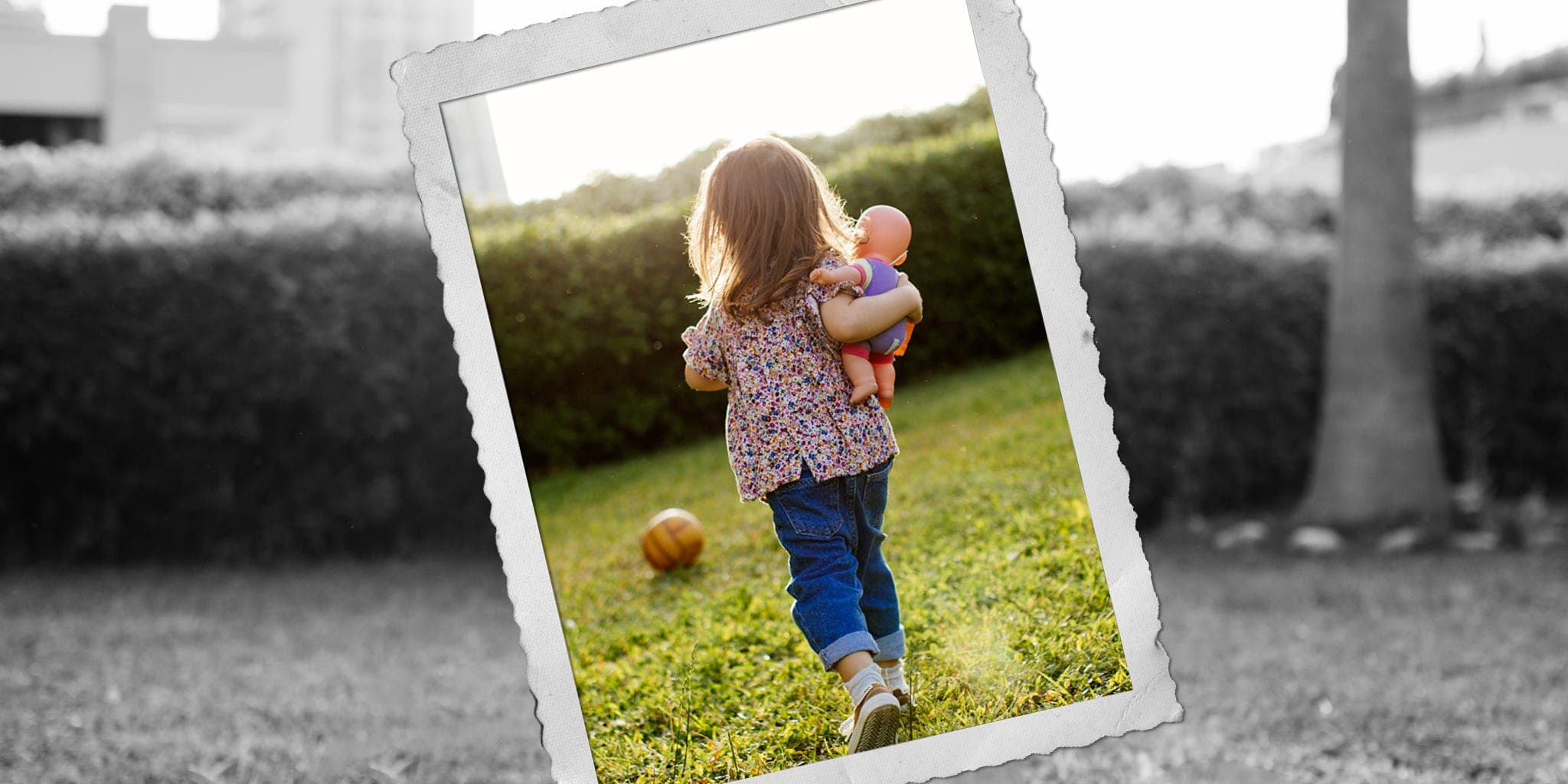
If you grew up watching Toy Story and subsequently felt a pang of guilt every time you shoved a stuffed animal under your bed or donated an old action figure, you are not alone — and you are not irrational. Psychologists refer to this tendency as anthropomorphism, the attribution of human traits and emotions to non-human entities. It's a deeply natural cognitive process, and Toy Story exploited it with surgical precision.
Research in developmental psychology suggests that young children are already predisposed to anthropomorphize objects, particularly toys they've formed attachments to. What Pixar did was give that instinct a vivid, emotionally charged narrative framework. Instead of quietly wondering whether your teddy bear had feelings, you now had cinematic confirmation — complete with Randy Newman's devastatingly warm soundtrack — that yes, your toys were watching, waiting, and hoping you'd come back to play.
Specific Scenes That Broke Something in Us
You don't have to dig deep into the film to find the moments that lodged themselves permanently in the childhood psyche. A few stand out above the rest:
- Woody's jealousy of Buzz Lightyear — Watching a beloved toy fear being replaced by something newer and shinier hit close to home for any child who had ever set aside an old favorite. The emotional logic was uncomfortably relatable.
- The toys in Sid's room — The mutant toys living in the shadow of a destructive child were terrifying precisely because they represented the worst possible fate for an inanimate object: to be broken and forgotten.
- The final chase sequence — The sheer desperation with which Woody and Buzz try to reunite with Andy captures something elemental about belonging and being left behind. Even as an adult, it is difficult to watch without feeling something tighten in your chest.
The Franchise Kept Tightening the Emotional Screws
If the original film planted the seed, every subsequent installment watered it with increasing intensity. Toy Story 2 introduced the heartbreaking backstory of Jessie's abandonment. Toy Story 3 brought us to the precipice of existential dread as the toys faced the incinerator. And Toy Story 4 asked genuinely difficult questions about identity, purpose, and what it means to move on. Each film built on the emotional architecture of the original, making the franchise as a whole one of the most psychologically resonant series in cinema history.
The cumulative effect on audiences is remarkable. People who were children in 1995 are now adults in their thirties and forties, and many of them will openly admit that they still feel a flicker of guilt when they throw away an old toy. Some keep childhood toys long past any practical age for exactly this reason.
Why the Original Still Hits Differently
Revisiting the 1995 original with adult eyes is a rich experience. What once felt like a fun adventure story now reads as a nuanced exploration of loyalty, change, and the fear of obsolescence. Woody's arc — from insecure jealousy to genuine generosity — is surprisingly sophisticated for what is ostensibly a children's animated film. The animation, while dated by today's standards, has a warmth and tactile quality that later entries in the franchise sometimes lack.
There is also something uniquely powerful about the simplicity of the original's premise. Before the franchise expanded into carnivals, antique shops, and philosophical ruminations on free will, it was just a story about a cowboy doll who was afraid of losing his best friend. That core emotional truth is what made everything else possible.
Making Peace With What Pixar Did to Us
So where does that leave the generation of adults who can't donate a stuffed animal without a small internal crisis? Probably somewhere healthy, actually. The empathy that Toy Story cultivated — even if its object was technically a plastic spaceman — is the same empathy that makes us more attuned to the feelings of the real people and creatures in our lives. If a Pixar movie taught you to consider whether something might feel abandoned, that's not a bad lesson to carry into adulthood.
As the newest Toy Story film arrives in theaters, it's worth taking a moment to appreciate what the original started. It wasn't just a movie. It was a gentle, beautifully animated argument that the things we love deserve to be treated with care — and thirty years later, that argument still holds up.