
Trump Unveils the New Air Force One: A Bold New Chapter for the Presidential Aircraft
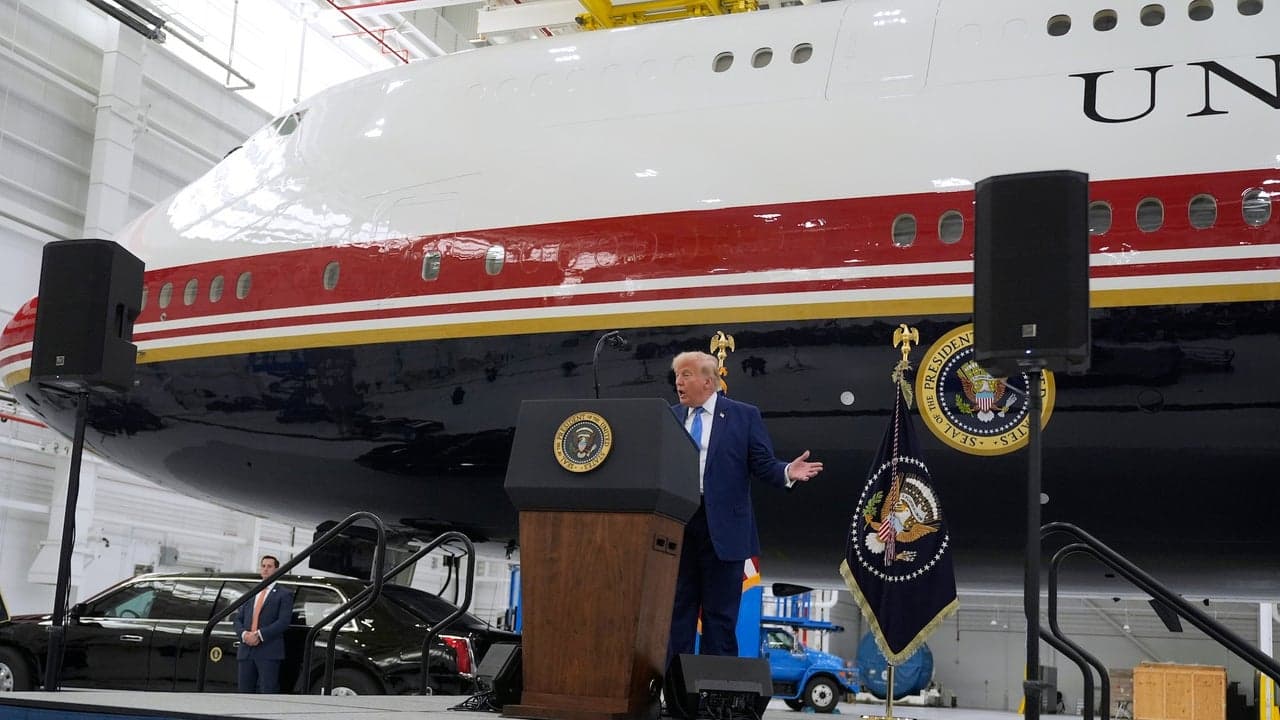
In a dramatic reveal at Andrews Air Force Base, President Donald Trump stepped off a newly converted jumbo jet to the swells of "God Bless the USA," unveiling what will serve as the new Air Force One. The aircraft — a Boeing 747 formerly owned by the Qatari government — has been transformed into a striking symbol of American presidential power, complete with a bold new exterior design that marks a sharp departure from the iconic look that has defined the office for decades. The unveiling has generated significant attention, not only for the aircraft's impressive aesthetics but also for the political and ethical questions that have followed it since its acceptance.
Out With the Old: A New Design Identity for Air Force One
For generations, the sight of Air Force One has conjured a specific image: a sleek white and silver fuselage adorned with the soft robin's egg blue that was famously commissioned during the Kennedy administration. That classic look, designed by industrial designer Raymond Loewy in the early 1960s, became one of the most recognizable color schemes in the world. Trump's new aircraft throws that tradition out entirely.
The redesigned plane features a deep navy blue underbelly, a bold red stripe running above it, and a massive American flag emblazoned across the tail. On the left side of the aircraft — the side from which the president boards — the presidential seal is prominently displayed. The overall effect is decidedly more assertive and modern, reflecting the aesthetic sensibilities Trump has long advocated for when it comes to government branding and design.
"The workmanship of this plane is, when you see it, you won't believe it," Trump told the assembled crowd of several hundred Air Force personnel gathered inside the hangar. The president's enthusiasm was unmistakable, and the reveal was staged with the theatrical flair that has become a hallmark of his public appearances.
Where Did the Plane Come From? The Qatar Gift Controversy
The story of this particular aircraft begins not in an American factory, but in Qatar. The Trump administration formally accepted a luxury Boeing 747 jet from the Qatari government to be used as the official presidential airplane. The decision was immediately controversial, drawing sharp criticism from ethics watchdogs, legal experts, and members of both political parties who questioned whether accepting such an extraordinarily expensive gift from a foreign nation was appropriate — or even legal.
The U.S. Constitution's Emoluments Clause generally prohibits federal officials from accepting gifts from foreign governments without the consent of Congress, and critics argued that accepting a jet worth hundreds of millions of dollars represented a potential violation of that principle. Supporters of the arrangement countered that the aircraft was being transferred to the U.S. government rather than to Trump personally, and that the conversion and operational costs involved meant this was not a straightforward "gift" in the traditional sense.
Trump himself had, at various points prior to the formal acceptance, publicly stated that he would not fly on a plane given as a gift from Qatar, suggesting awareness of the optics involved. Nevertheless, the administration moved forward with the transfer, and the jet has now been converted and unveiled as a functioning presidential aircraft.
A "Bridge" Aircraft: What That Means and Why It Matters
It is important to understand the role this jet is designed to play. Officials have described the converted Qatari 747 as a so-called "bridge" aircraft — a temporary solution to carry the president while the permanent, purpose-built replacements are completed. Those new planes were ordered directly from Boeing and are currently scheduled for delivery in 2028.
The original Air Force One fleet, consisting of two VC-25A aircraft based on the Boeing 747-200B, has been in service since the early 1990s. The fleet has long been considered overdue for replacement, and Boeing has been under contract to deliver two new VC-25B aircraft. However, the program has been plagued by delays and cost overruns that pushed the expected delivery date years beyond initial projections. The Qatari jet is intended to fill that gap, ensuring that the president has access to a modern, functional long-haul aircraft in the interim.
Inside the Conversion: What It Took to Prepare the Aircraft
Transforming a foreign luxury jet into a fully operational U.S. presidential aircraft is no small undertaking. Beyond the cosmetic changes to the exterior, the conversion process requires extensive modifications to meet the rigorous security, communications, and operational standards demanded of any aircraft designated as Air Force One. These include the installation of advanced communications systems, security hardening, medical facilities, and the kind of redundant systems that allow the president to effectively govern from the air during a crisis.
Experts had previously noted that such a conversion would take considerable time and resources, and questions were raised about how quickly the plane could be made ready for presidential use. The Friday reveal suggests those conversion efforts have reached a point where the administration is confident enough in the aircraft's readiness to present it publicly.
Looking Ahead: Air Force One in 2025 and Beyond
The unveiling of the new Air Force One marks a significant moment in the history of American presidential aviation. Whether one views the converted Qatari jet as an ingenious stopgap solution or as a symbol of ethical compromise, its presence in the presidential fleet is now a concrete reality. With the Boeing-built replacements still years away, this aircraft is set to carry the president on countless diplomatic missions, domestic trips, and international summits in the years to come.
As the debate over the plane's origins continues in Washington and beyond, one thing is certain: the skies above the world's capitals will soon be graced by a new silhouette — navy blue, red-striped, and unmistakably American.