
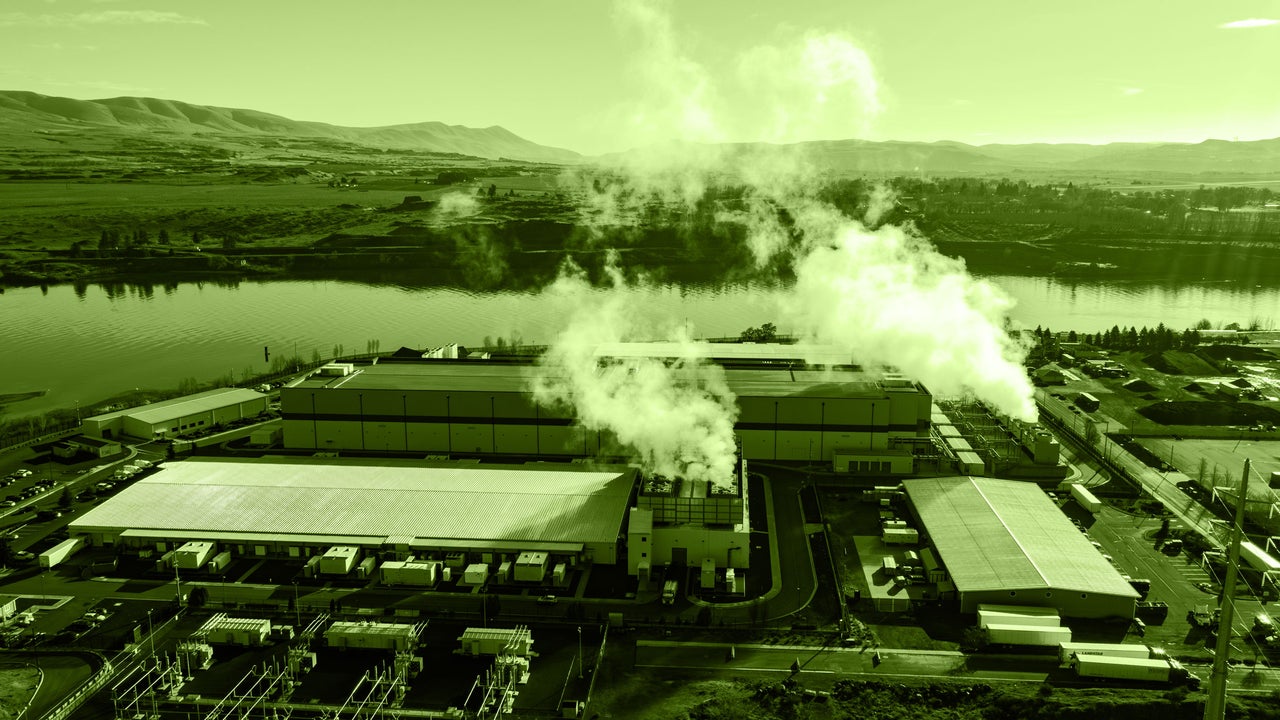
The Growing Public Backlash Against AI Data Centers
For most of the past few years, artificial intelligence has enjoyed a kind of cultural honeymoon. Chatbots dazzled consumers, productivity tools won over skeptical executives, and Wall Street poured billions into the sector without much public opposition. But that era of easy enthusiasm is ending — and the flashpoint is something far more tangible than algorithmic bias or job displacement. It is your monthly electricity bill.
Earlier this year, one AI analyst quietly predicted that 2026 would bring a populist backlash against data centers and their voracious energy demands. That prediction turned out to be an understatement. The anger is real, it is spreading, and it is rooted in something communities feel every single month when they open their utility statements.
What AI Data Centers Actually Demand From the Power Grid
To understand the backlash, you first need to understand the scale of energy consumption involved. A single large-scale AI data center can consume as much electricity as a small city. Training a major large language model requires enormous amounts of continuous, uninterrupted power. And unlike a factory that runs in shifts, data centers run around the clock, 365 days a year.
As tech giants race to build out AI infrastructure — Microsoft, Google, Amazon, and Meta have all announced multi-billion-dollar data center expansion plans — the pressure on regional power grids has intensified sharply. Utilities that were already managing aging infrastructure are now being asked to prioritize power delivery to massive new industrial consumers, often with the help of generous public incentives.
That combination — enormous demand, preferential treatment, and public subsidy — is exactly what is fueling community frustration.
Rising Electricity Rates: The Issue Closest to Home
The most immediate and politically potent complaint is simple: electricity is getting more expensive, and many people blame AI data centers for it. When a data center moves into a region, it can strain local grid capacity and push up wholesale electricity prices. Those costs are eventually passed down to residential and small business customers through rate increases approved by public utility commissions.
This is not a hypothetical concern. Reports have documented rising electricity bills in states with heavy data center concentrations, including Virginia — the global capital of data center development — where ratepayer advocacy groups have raised alarms about the cost burden being shifted onto ordinary households. The frustration is sharpened by the fact that many of these facilities receive substantial tax breaks and incentives from local governments, meaning communities are effectively subsidizing infrastructure that then costs them more to live next to.
For working families already squeezed by inflation, paying higher electric bills so that a trillion-dollar tech company can train its next AI model is not an abstract policy concern. It is a kitchen-table issue.
Environmental and Public Health Concerns Add Fuel to the Fire
Beyond electricity costs, communities are raising serious environmental and public health objections to data center development. Research from institutions including the Harvard T.H. Chan School of Public Health has examined air pollution and health risks associated with AI data centers, particularly in areas where backup diesel generators are run frequently during grid outages or peak demand periods.
Water consumption is another major concern. Many data centers rely on evaporative cooling systems that consume millions of gallons of water annually — a serious issue in drought-prone regions of the American West and Southwest. Communities that have watched reservoirs shrink and faced outdoor watering restrictions are understandably resistant to facilities that treat water as an industrial input at massive scale.
Noise pollution from cooling equipment, land use conflicts, and the industrialization of previously quiet rural areas round out the list of grievances that local residents bring to zoning hearings and town hall meetings across the country.
The Tax Break Problem: Privatizing Gains, Socializing Costs
One of the most politically charged dimensions of the data center debate involves public incentives. Many states and localities have offered significant tax abatements to attract data center investment, arguing that the facilities bring jobs and economic activity. Critics point out that data centers are highly automated and create relatively few permanent local jobs compared to the infrastructure demands they impose.
When a community grants a data center a decade-long property tax exemption while that facility simultaneously drives up utility costs for residents, the political optics are toxic. It looks, to many voters, like a textbook example of large corporations capturing public benefits while distributing costs to everyone else. That perception is driving legislative pushback in several states, where lawmakers are reconsidering or scaling back data center tax incentive programs.
What Comes Next: A Reckoning the Industry Cannot Ignore
The AI industry has largely treated data center opposition as a permitting and public relations problem to be managed, rather than a legitimate policy challenge to be addressed. That posture is becoming increasingly untenable.
Community opposition is slowing projects, attracting regulatory scrutiny, and feeding into a broader narrative that the benefits of AI are accruing to a small number of wealthy technology companies while the costs — financial, environmental, and social — are distributed across everyone else. That narrative has proven durable across the political spectrum, drawing concern from both environmental advocates on the left and small-government, ratepayer-rights advocates on the right.
For the AI industry to sustain its growth trajectory, it will need to do more than improve its messaging. It will need to invest in genuinely cleaner energy solutions, engage transparently with affected communities, and accept that the era of frictionless data center expansion is over. The public has noticed the bill — and they are not happy about it.