
7 Grocery Shopping Mistakes That Could Cost You More Than You Think
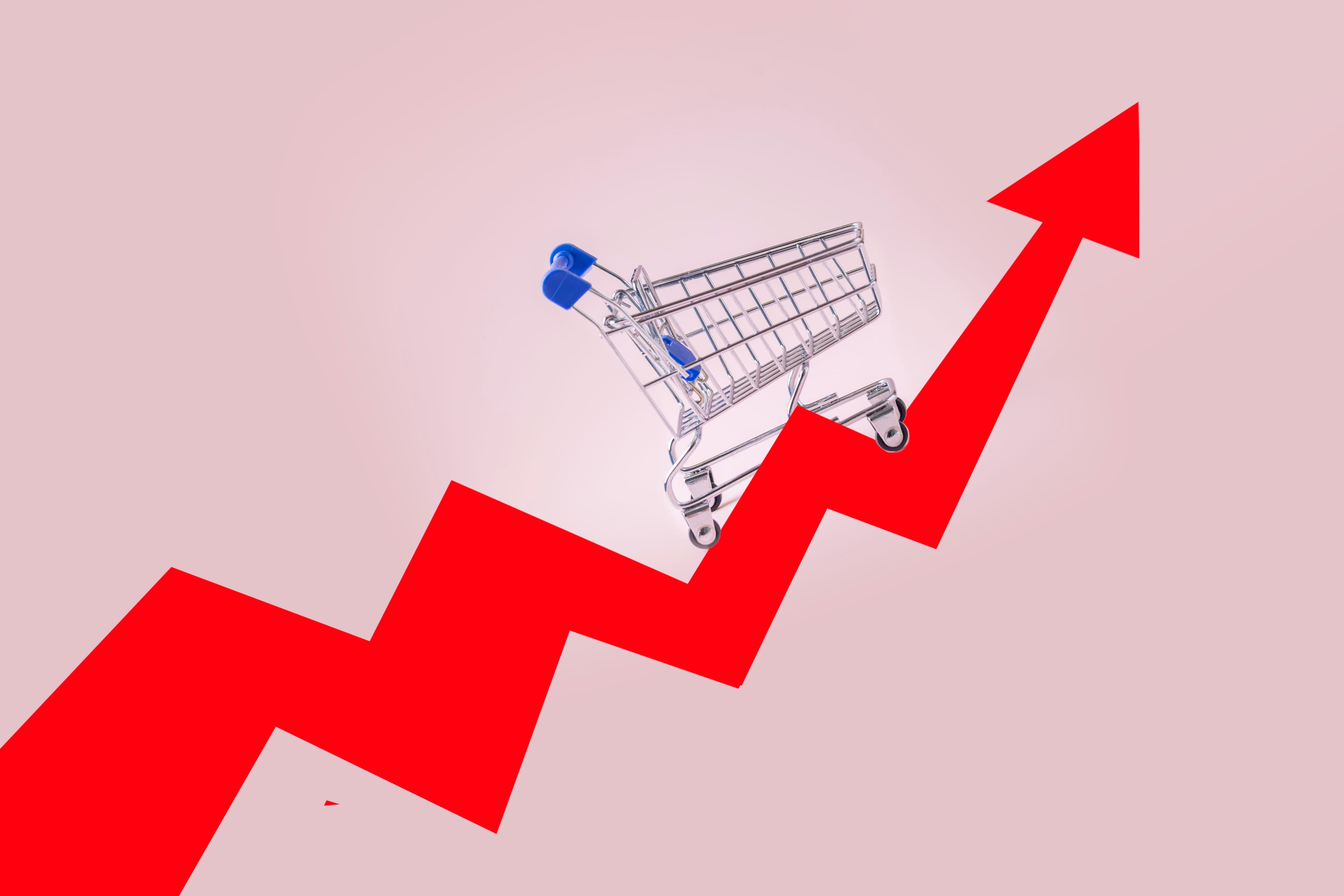
Most of us walk into the grocery store thinking we have a rough idea of what we need — and walk out having spent far more than planned. It happens so consistently that many people assume it's just the unavoidable reality of feeding a household. But the truth is, a handful of very fixable habits are quietly draining your food budget week after week. Recognizing these common grocery shopping mistakes is the first step toward taking real control of your spending without sacrificing the quality of what ends up on your table.
1. Shopping Without a List (or Ignoring the One You Made)
This is the single most costly mistake most shoppers make, and it's deceptively simple. Walking into a supermarket without a list — or creating one and then ignoring it — leaves you at the mercy of clever retail merchandising designed to get you to spend more. End-cap displays, eye-level product placement, and in-store promotions are all engineered to trigger impulse purchases. Studies consistently show that unplanned items account for a significant portion of grocery overspending.
The fix is equally simple: write a detailed list before you leave home, organized by store section if possible, and commit to sticking with it. Apps like AnyList or even a basic notes app on your phone make this easy to maintain and update throughout the week as you notice things running low.
2. Shopping While Hungry
It sounds like a cliché because it's true. When you shop on an empty stomach, your brain is wired to prioritize high-calorie, high-convenience, and high-cost foods. Research published in JAMA Internal Medicine found that hungry shoppers purchase significantly more high-calorie items than those who shop after eating. Beyond the nutritional implications, those impulse snack grabs and prepared food purchases add up fast. Eat a meal or at least a snack before heading to the store and you'll find it dramatically easier to stick to your list and your budget.
3. Overlooking Store Brands and Generic Products
There's a persistent belief that name-brand products are meaningfully better than their store-brand counterparts. In most product categories, this simply isn't true. Generic and store-brand items — everything from canned tomatoes to over-the-counter medications to pantry staples — are frequently manufactured in the same facilities as their branded equivalents, just without the premium marketing budget baked into the price. Switching to store brands across even half your regular purchases can reduce your total grocery bill by 20 to 30 percent without any noticeable difference in quality for most items.
4. Falling for "Buy More, Save More" Deals
Bulk and multi-buy promotions feel like obvious wins, and sometimes they genuinely are. But they become a costly mistake when you're buying more of something than you'll actually use before it expires, or when you're spending money now on items that weren't part of your budget. Buying three jars of pasta sauce because they're on a three-for-two offer only saves you money if you were going to buy three jars anyway. Otherwise, you've spent more than you intended to, and the "saving" is largely an illusion. Always evaluate bulk deals against your realistic consumption habits before adding extra units to your cart.
5. Not Comparing Unit Prices
The sticker price on a product tells you surprisingly little about whether you're getting value. A larger package is not always cheaper per unit — in fact, retailers sometimes charge a higher per-unit price for larger sizes, particularly for branded items. The unit price, usually displayed in small print on the shelf label, is the only reliable way to compare true value across different sizes and brands. Making a habit of checking unit prices rather than package prices can save you a meaningful amount over the course of a year, especially on frequently purchased staples like grains, dairy, and cleaning products.
6. Ignoring Seasonal and Sale Cycles
Grocery stores follow predictable sale cycles, and produce prices fluctuate significantly with the seasons. Shoppers who ignore these patterns end up paying peak prices for items that will be considerably cheaper in a few weeks. Learning which items tend to go on sale at your preferred store — and roughly how often — allows you to stock up strategically when prices dip. Similarly, choosing produce that's currently in season almost always means better flavor and lower prices compared to out-of-season imports.
7. Skipping a Weekly Meal Plan
Perhaps the most underrated money-saving strategy in the kitchen isn't even something that happens in the store — it happens before you go. Meal planning for the week ahead transforms your grocery list from a vague collection of ingredients into a purposeful, efficient shopping guide. When you know exactly what you're cooking Monday through Sunday, you buy only what you need, reduce food waste dramatically, and avoid the expensive fallback of takeout on nights when there's nothing obvious to cook.
Food waste is a staggering contributor to household budget loss — the average American family throws away hundreds of dollars worth of groceries every year. A basic weekly meal plan, even a rough one, goes a long way toward closing that gap.
Small Habits, Real Savings
None of these changes require extreme couponing, hours of research, or dramatic lifestyle overhauls. They're small, practical shifts in the way you approach grocery shopping — and their cumulative effect on your monthly budget can be genuinely significant. Start with one or two that resonate most with your current habits, build consistency, and layer in the others over time. Your grocery receipt will reflect the difference sooner than you might expect.