
Why Your Dishwasher Could Be Destroying Your Kitchen Essentials
The dishwasher is one of the most beloved appliances in any modern kitchen. It saves time, conserves water when used efficiently, and handles the tedious chore of scrubbing dishes after a long day. But as convenient as it is, your dishwasher is not a catch-all cleaning solution. Cleaning experts consistently warn that certain kitchen items should never go anywhere near those spinning spray arms — and ignoring that advice can cost you dearly in ruined cookware, dull knives, and warped tools.
Understanding what belongs in the dishwasher and what doesn't isn't just about protecting your possessions. It's about getting the most out of every item in your kitchen for years to come. Here's a comprehensive guide to the things cleaning professionals say you should always keep out of the dishwasher.
Sharp Knives
This is perhaps the most universally agreed-upon rule among culinary professionals and cleaning experts alike: never put your good knives in the dishwasher. The high-heat drying cycle, harsh detergents, and jostling against other utensils during the wash cycle can dull a blade remarkably fast. Over time, the repeated exposure to intense heat also causes wooden handles to crack, loosen, and even separate from the blade entirely.
High-quality chef's knives represent a significant investment, and hand-washing them with mild soap and warm water — then drying them immediately — is the only way to preserve their edge and handle integrity. Even knives labeled "dishwasher safe" are best washed by hand if you want them to last.
Cast Iron Cookware
Cast iron skillets and Dutch ovens have a devoted following for good reason — they're incredibly durable and produce exceptional cooking results. But the dishwasher is their worst enemy. The prolonged exposure to water and detergent strips away the seasoning that makes cast iron non-stick and flavorful, leaving behind a dull, unprotected surface that is highly prone to rust.
Cleaning cast iron is simpler than most people think: rinse it with hot water while it's still warm, scrub gently with a stiff brush or coarse salt if needed, and then dry it thoroughly on the stovetop over low heat. A light coat of oil after drying keeps it perfectly seasoned and ready for the next use.
Non-Stick Pans
Non-stick cookware is another category that suffers badly in the dishwasher. Even when manufacturers label their pans as dishwasher safe, repeated machine washing degrades the non-stick coating over time. The aggressive detergents and high temperatures cause the coating to break down, chip, and eventually flake — which not only ruins the pan's performance but can also introduce unwanted particles into your food.
To extend the life of your non-stick pans, wash them by hand using a soft sponge and mild dish soap. Avoid abrasive scrubbers, which cause the same kind of surface damage as a dishwasher cycle.
Wooden Utensils and Cutting Boards
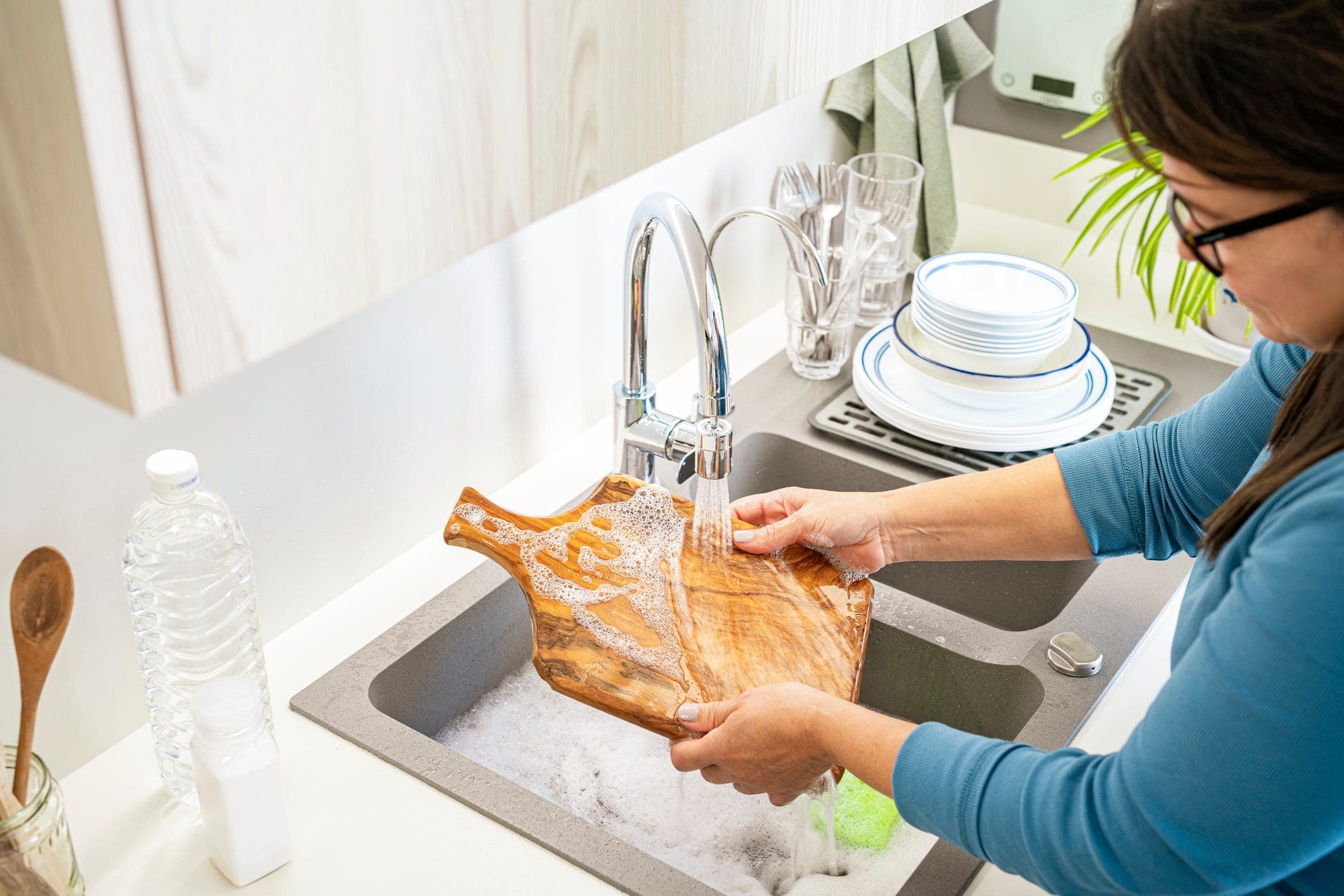
Wood and dishwashers simply do not mix. Whether it's a beloved wooden spoon, a bamboo spatula, or a well-seasoned cutting board, prolonged exposure to hot water and steam causes wood to warp, crack, and split. The repeated swelling and contracting of the wood fibers as they absorb and then lose moisture weakens the material rapidly.
Wooden items should be washed quickly by hand, rinsed, and dried immediately. Cutting boards benefit from occasional oiling with food-grade mineral oil, which helps repel moisture and prevents cracking.
Delicate Glassware and Crystal
Fine wine glasses, crystal decanters, and delicate hand-painted glassware are all casualties waiting to happen in the dishwasher. The heat and water pressure can cause etching — a cloudy, permanent haziness on the glass surface — and the turbulence of the wash cycle puts fragile pieces at serious risk of chipping or cracking.
Antique or heirloom glassware should always be washed carefully by hand in warm, soapy water. If you're concerned about hard water stains, a small amount of white vinegar in the rinse water works beautifully without the harsh effects of machine washing.
Insulated Tumblers and Travel Mugs
The double-walled vacuum seal that keeps your coffee hot and your iced drinks cold can be permanently compromised by dishwasher heat. Once that seal is broken, your tumbler loses its insulating properties and becomes just another ordinary cup. Many manufacturers explicitly void their warranty if the product is machine-washed, so it's worth checking the care instructions before tossing your favorite travel mug in with the dinner plates.
Items With Adhesive Labels or Printed Decorations
Decorative mugs, printed plastic containers, and any items with glued-on labels or hand-painted designs will lose their finish in the dishwasher over time. The combination of heat and chemical detergent lifts adhesive, fades ink, and peels paint. If an item has sentimental or aesthetic value, hand-washing is always the safer choice.
The Bottom Line: When in Doubt, Wash by Hand
The dishwasher is a fantastic tool for everyday plates, glasses, and utensils — but it's not designed to handle everything in your kitchen. Cleaning experts agree that a few extra minutes at the sink can mean the difference between kitchen tools that last a lifetime and ones that need replacing every couple of years. Taking care of your cookware, knives, and specialty items with a little manual effort pays off enormously in the long run.
Before loading up the dishwasher after your next meal, take a quick look at what you're putting in. Your kitchen essentials — and your wallet — will thank you.