
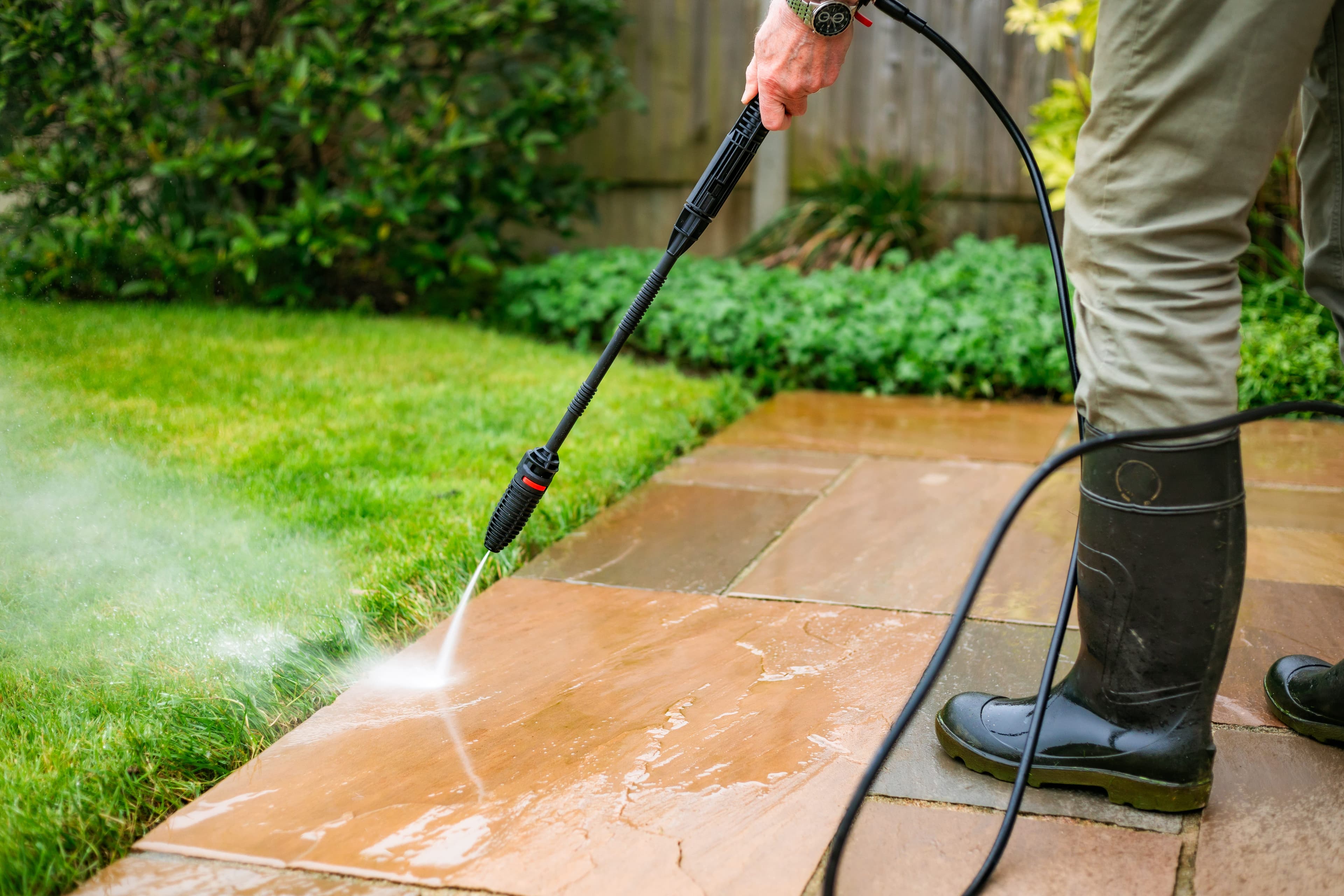
The One Pressure Washer Nozzle That Experts Say You Should Never Touch
Pressure washers are among the most satisfying tools you can own. Whether you're blasting mildew off your siding, restoring the original color of your concrete driveway, or giving your deck a fresh start before staining season, these machines deliver results that a standard garden hose simply cannot match. But with great power comes great responsibility—and one small, color-coded attachment is responsible for more injuries and property damage than most homeowners ever realize.
According to professional pressure washer testers and certified cleaning technicians, the red zero-degree nozzle is the single most dangerous accessory that ships inside virtually every pressure washer kit on the market. If you've ever pulled your machine out of the box and wondered what each color-coded tip does, keep reading—because what you don't know about that red nozzle could send you to the emergency room or cost you an expensive deck replacement.
Understanding How Pressure Washer Nozzles Work
Before diving into why the red nozzle is so hazardous, it helps to understand how nozzle angles affect water pressure and spray patterns. Pressure washer nozzles are universally color-coded by the degree of their spray fan angle. The wider the spray angle, the more dispersed the water becomes—and the gentler its impact on surfaces. The narrower the angle, the more concentrated the force, making it far more powerful and far more dangerous.
Here is a quick breakdown of the standard nozzle color system you'll find with most residential and commercial pressure washers:
- Red (0 degrees): The most powerful and most dangerous setting. Water exits in a pinpoint, pencil-thin stream with zero fan spread. This concentrates the machine's full PSI onto a surface area roughly the size of a pencil eraser.
- Yellow (15 degrees): A narrow but slightly dispersed stream ideal for stripping paint or cleaning hard concrete. Still very powerful and not recommended for wood or soft surfaces.
- Green (25 degrees): The general-purpose nozzle that most professionals reach for on everyday cleaning tasks. Good for driveways, sidewalks, and siding when used with appropriate distance.
- White (40 degrees): A wide, gentle fan suitable for washing cars, windows, and other delicate surfaces where softer pressure is needed.
- Black (65 degrees): The soap or detergent nozzle. This setting produces very low pressure, designed specifically to apply cleaning solution without damaging surfaces.
Why the Red Nozzle Is So Dangerous to People
The zero-degree red nozzle isn't just powerful—it's powerful in a concentrated, unforgiving way that leaves no margin for error. Professional testers who evaluate pressure washers on a regular basis consistently flag this nozzle as the one attachment that should remain capped, stored away, or discarded entirely for the average homeowner.
When used at typical operating pressures—which can range from 1,500 PSI on a basic consumer machine to over 3,000 PSI on a prosumer model—the red nozzle delivers enough force to puncture skin at distances of several feet. This is not hyperbole. Pressure washer injuries are classified as injection injuries in medical literature, meaning the water stream can break through the outer layer of skin and force contaminants, bacteria, and debris deep into soft tissue. These injuries often look deceptively minor on the surface while causing significant internal damage that requires surgical intervention.
Emergency rooms treat thousands of pressure washer-related injuries every year, and a disproportionate number involve the zero-degree nozzle. The injury can happen in an instant—a momentary slip of the wrist, a distracting noise, a child running into the yard—and the consequences can be permanent. Even a brief contact with this nozzle can cause nerve damage, infection, and lasting scarring.
What the Red Nozzle Does to Your Property
The danger doesn't stop at human injury. The zero-degree nozzle wreaks just as much havoc on the surfaces you're trying to clean. Wood decks are especially vulnerable. The pinpoint stream can carve grooves, raise wood grain, splinter boards, and strip protective sealant in a single pass. Many homeowners who attempt to use the red nozzle on their deck discover—too late—that they've damaged the wood so severely it requires sanding, refinishing, or outright board replacement.
Vinyl siding is similarly unforgiving. The concentrated blast can crack panels, force water behind the siding into wall cavities, and create conditions ripe for mold growth inside your walls. Even concrete, one of the hardiest surfaces you'll pressure wash, can develop surface pitting and etching when the red nozzle is used too close or held in one spot too long.
What You Should Use Instead
For the vast majority of residential cleaning tasks, the green 25-degree nozzle is your best all-around friend. It delivers enough pressure to remove grime, algae, and dirt while spreading the force widely enough to reduce the risk of surface damage or personal injury. For wood surfaces specifically, many professionals recommend going one step further and using the white 40-degree nozzle combined with a quality deck cleaning solution applied through the black soap nozzle first.
If you feel the urge to reach for the red nozzle because a stain won't budge, the smarter approach is to lower the distance between your nozzle and the surface gradually while using the yellow or green tip, or to apply a dedicated cleaning chemical and allow it to dwell before rinsing. Patience and chemistry will almost always outperform brute force—without the risk.
Final Thoughts: Respect the Machine
Pressure washers are genuinely incredible tools that can transform the exterior of your home in a single afternoon. But they deserve the same respect you'd give any high-powered equipment. If you take one thing away from the advice of professionals who test these machines for a living, let it be this: leave the red nozzle in the bag. The minor increase in cleaning power is never worth the risk to your body, your deck, or your home. Stick to the right nozzle for the right job, maintain a safe operating distance, and you'll get outstanding results every time—safely.