
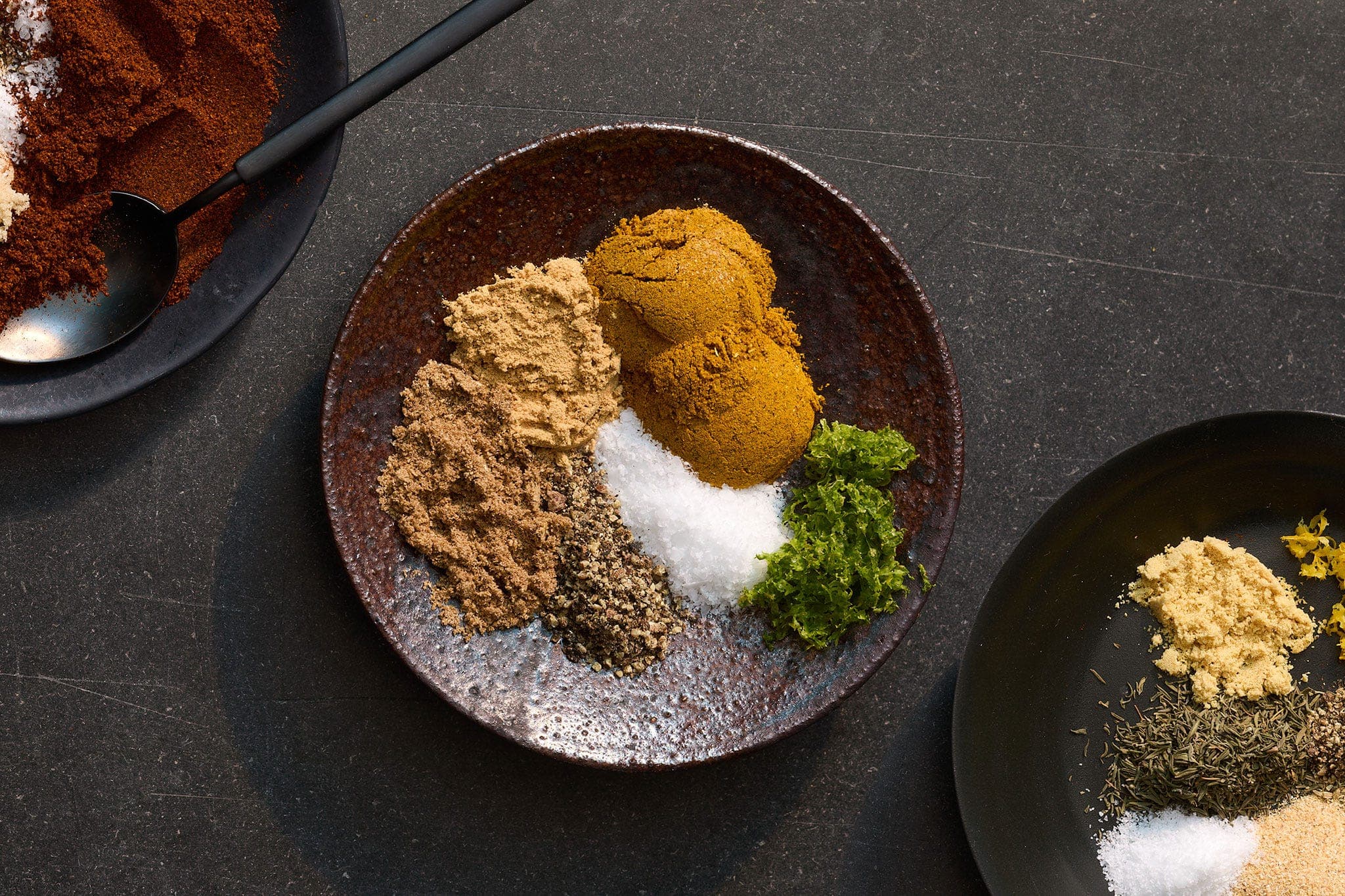
Why Every Home Cook Needs a Go-To Spice Rub
If there is one skill that separates a good home cook from a great one, it is knowing how to season food with confidence. And nothing delivers bold, complex flavor faster than a well-built spice rub. With just a handful of pantry staples, you can create custom blends that transform a simple chicken breast, a rack of ribs, or even roasted vegetables into something genuinely memorable. The best part? You do not need a culinary degree or a specialty spice shop. Everything you need is probably already sitting in your kitchen cabinet.
Cooking pros have long relied on spice rubs as one of their most powerful tools. Unlike marinades, which require hours of soaking time, a dry rub can be applied minutes before cooking and still deliver incredible depth of flavor. Once you understand the basic building blocks, making your own spice rub becomes second nature — and you will never reach for a store-bought packet again.
The Anatomy of a Great Spice Rub
Every outstanding spice rub is built around a few key flavor categories. Professional cooks think of rubs as a balancing act, layering different types of ingredients to create something greater than the sum of its parts. Understanding these categories is the first step toward building rubs that genuinely sing.
1. The Base: Salt and Pepper
Salt is non-negotiable. It is the foundation of virtually every spice rub because it does two critical things: it draws out moisture from the surface of the food, which helps create a better crust during cooking, and it amplifies every other flavor in the blend. Coarse kosher salt is preferred by most professional cooks because it distributes evenly and does not dissolve too quickly on the surface of the meat.
Black pepper adds a gentle heat and earthy complexity that rounds out the other spices. Freshly cracked black pepper is noticeably more aromatic than pre-ground, so if you have a pepper mill, now is the time to use it. Together, salt and pepper typically make up the largest portion of any good rub, often accounting for roughly half the total blend by volume.
2. The Heat: Chili Powders and Paprika
Heat is what gives a rub its personality. Smoked paprika is one of the most versatile and beloved spices in any rub builder's toolkit — it delivers a rich, sweet smokiness that works beautifully on pork, chicken, and beef. Cayenne pepper turns up the fire, while chili powder adds earthy warmth with a more complex undertone. Cumin, though technically a seed spice, also contributes a subtle heat alongside its distinctive toasty, slightly bitter depth.
The key is calibrating your heat to your audience and the protein you are cooking. A competition-style brisket rub might lean heavily on cayenne, while a family-friendly chicken rub might keep things mild with a generous dose of smoked paprika and just a pinch of cayenne.
3. The Sweet: Brown Sugar and Beyond
Sugar plays a crucial structural role in spice rubs, and not just for sweetness. When exposed to high heat, sugar caramelizes on the surface of the food, forming that coveted dark, lacquered crust known as the bark. Brown sugar is the most common choice because its molasses content adds a subtle, almost smoky sweetness. Coconut sugar or turbinado sugar can work as well, depending on the flavor profile you are after.
The ratio of sugar matters. Too much and your rub will burn before the meat finishes cooking. Too little and you miss out on that beautiful crust. A good rule of thumb is to use roughly one part sugar for every two to three parts of your combined spice mix.
4. The Aromatics: Garlic, Onion, and Herbs
Granulated garlic and onion powder are the unsung heroes of the spice rub world. They provide savory, allium-forward depth without the risk of burning that comes with fresh garlic. Dried herbs like oregano, thyme, rosemary, and sage add a green, herbal brightness that lifts the entire blend. Mustard powder is another pro-level addition that adds a subtle tang and helps the other spices bind to the surface of the food.
How to Build Your Spice Rub: A Step-by-Step Framework
- Start with salt and pepper. Combine one tablespoon of kosher salt with one teaspoon of freshly cracked black pepper as your base.
- Add your heat. Mix in one to two teaspoons of smoked paprika and a quarter teaspoon of cayenne, adjusting to your preferred spice level.
- Introduce sweetness. Stir in one teaspoon of brown sugar to encourage caramelization and balance the heat.
- Layer in aromatics. Add half a teaspoon each of granulated garlic and onion powder, plus a quarter teaspoon of dried thyme or oregano.
- Taste and adjust. Rub a small pinch between your fingers and taste. The blend should be balanced — salty, slightly sweet, warm, and aromatic all at once.
Pro Tips for Using and Storing Spice Rubs
Once your rub is mixed, apply it generously to your protein or vegetables. For best results, pat the food dry with a paper towel before applying the rub — moisture is the enemy of a good crust. Press the rub firmly into the surface rather than simply dusting it on. The more contact between the spices and the food, the better the flavor penetration.
For a deeper flavor, apply the rub and let the food rest uncovered in the refrigerator for at least one hour, or ideally overnight. The salt will begin to work its way into the meat during this time, seasoning it from within.
Store any leftover rub in an airtight jar away from heat and light. Most dry rubs will keep their potency for up to three months. Label your jars with the date and contents — once you start making your own blends, it is easy to lose track of what is what.
Endless Variations to Explore
The real joy of building your own spice rubs is the freedom to experiment. A Moroccan-inspired rub might combine cinnamon, cumin, coriander, and turmeric. A coffee rub — which has become a staple at high-end steakhouses — pairs finely ground espresso with brown sugar, smoked paprika, and black pepper for an intensely savory crust. A bright, herby Mediterranean rub built around dried oregano, lemon zest, garlic, and thyme works beautifully on lamb chops or white fish.
Once you internalize the basic framework of salt, heat, sweet, and aromatics, every spice in your cabinet becomes a building block for something new. This is exactly how professional cooks think — not as followers of rigid recipes, but as curious, confident creators who understand the principles behind the flavor. Start simple, taste often, and trust your instincts. Your pantry already has everything you need.