
Go-Go Music Turns 50: A Sound That Refuses to Be Silenced
Few musical genres are as deeply rooted in a single city's identity as Go-Go is in Washington, D.C. Born in the mid-1970s under the creative genius of the legendary Chuck Brown, Go-Go has been the beating heart of D.C.'s Black cultural life for half a century. With its relentless percussion, crowd call-and-response, and infectious live energy, the genre never really chased mainstream stardom — it built something far more powerful instead: an unbreakable community. Now, as Go-Go celebrates its 50th anniversary, a bold new event called The Miami Takeover is asking a timely and exciting question — can this distinctly D.C. sound find a new home, a new audience, and ultimately a new era on the national stage?
What Is The Miami Takeover?
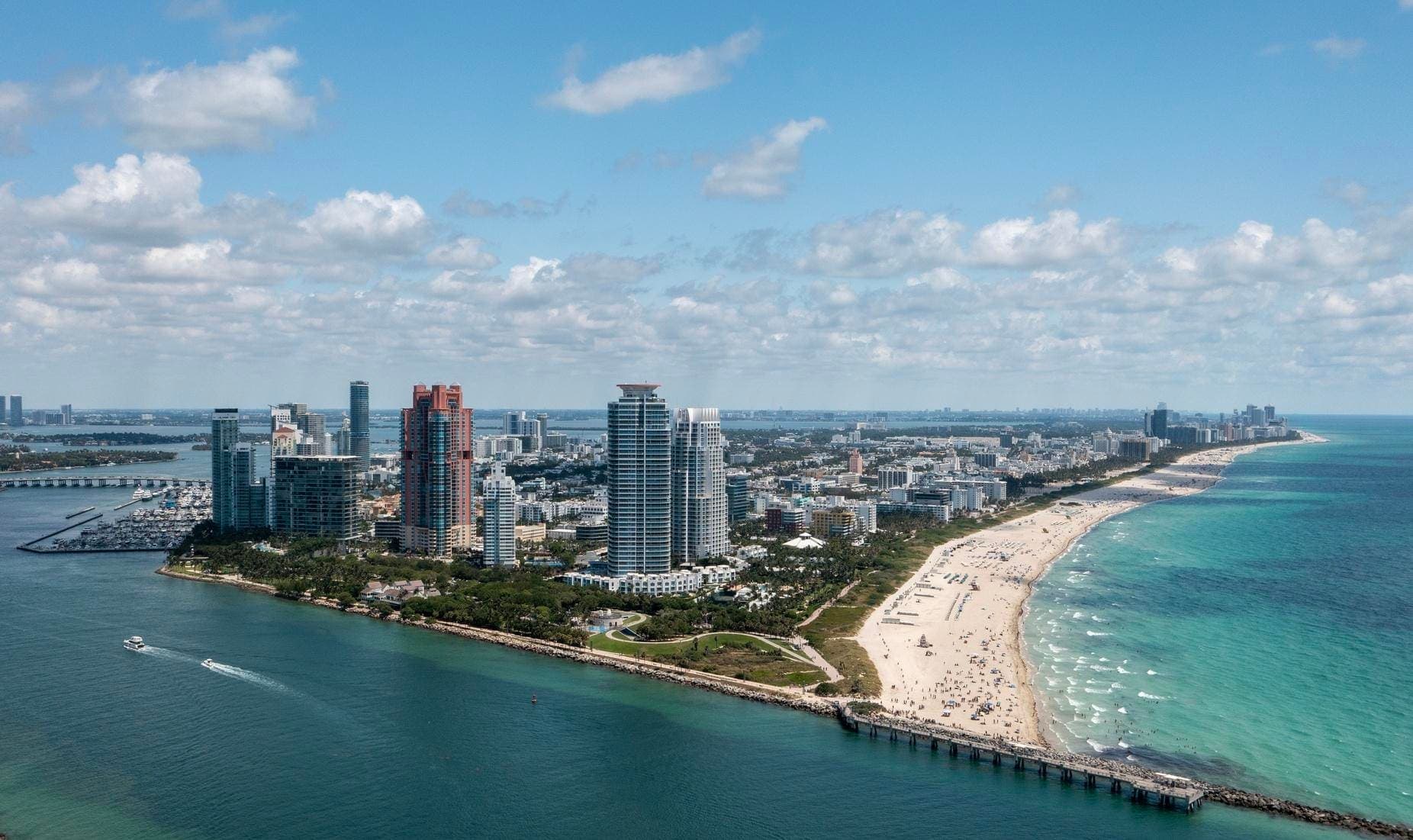
The Miami Takeover is an innovative cultural event designed to transport D.C.'s signature Go-Go sound to the sun-soaked stages of Miami Beach, Florida. Far more than a simple concert, the event blends live Go-Go music with stand-up comedy, cultural programming, and community celebration to create an immersive experience that honors the genre's rich roots while pushing it boldly toward new audiences and new conversations.
The concept is both ambitious and deeply intentional. Miami Beach, known globally as a destination for music lovers, international tourists, and tastemakers of every kind, provides the perfect stage for a genre that has long been confined — sometimes unfairly — to the borders of the nation's capital. By planting Go-Go's flag in one of America's most culturally vibrant cities, The Miami Takeover is making a statement: this music belongs everywhere.
Why Go-Go Has Always Been More Than Music
To understand why The Miami Takeover matters so much, it helps to understand what Go-Go truly is. For many outsiders, Go-Go might seem like a regional curiosity — a niche genre that never quite broke through to national or international prominence the way hip-hop or funk did. But for the people of Washington, D.C., Go-Go is nothing short of a lifeline.
The genre emerged as a form of cultural resistance and communal joy during a deeply challenging period for Black D.C. residents. Its live performances — famously extended, spontaneous, and physically demanding — became spaces where community members could gather, be seen, and belong. Go-Go venues weren't just entertainment spots; they were civic institutions. The music's survival through decades of gentrification pressure, political opposition, and cultural erasure is a testament to its profound significance.
- Community Identity: Go-Go has long served as a symbol of Black D.C. pride and cultural continuity, connecting generations of residents through a shared sonic language.
- Live Performance Culture: Unlike many genres built in recording studios, Go-Go was born on the stage, making its live energy absolutely central to its identity and appeal.
- Political Resilience: In 2019, D.C. residents rallied powerfully to keep Go-Go music playing publicly after a local business tried to silence it, leading Go-Go to be officially designated as the Music of D.C. by city lawmakers.
- Artistic Innovation: Go-Go has continuously influenced hip-hop, R&B, and funk without receiving full credit, making its broader recognition long overdue.
The 50-Year Milestone: Reflecting on Go-Go's Legacy
Marking 50 years of any cultural movement is a significant milestone, but for Go-Go, the anniversary carries extra weight. The genre has survived against considerable odds — not just the natural commercial pressures that marginalize regional music, but active efforts to suppress it. That it enters its sixth decade not just alive but energized and expansive is worth celebrating loudly.
The 50th anniversary provides a powerful framework for events like The Miami Takeover. It gives cultural organizers and music fans alike a compelling reason to look back at Go-Go's extraordinary journey while simultaneously looking forward at where it could go next. A genre that has spent decades being the best-kept secret of one American city is now, slowly and deliberately, stepping into a wider spotlight.
Can Miami Be the Gateway to Go-Go's Broader Future?
Miami Beach is not a random choice for this cultural experiment, and the organizers of The Miami Takeover clearly know that. Miami is a city that has long functioned as a crossroads of cultures — Caribbean, Latin American, African American, and global influences converge there in ways that make it uniquely receptive to music rooted in Black American tradition and live performance energy. Go-Go's rhythmic complexity, its Afrobeat-adjacent percussion, and its crowd-driven spontaneity carry a natural resonance with Miami's diverse, dance-oriented music culture.
Moreover, Miami's profile as a destination city means that the people who attend events there often carry those experiences back with them across the country and around the world. A Go-Go fan made in Miami Beach is potentially a Go-Go ambassador in Los Angeles, London, or São Paulo. The Miami Takeover isn't just a concert — it's a calculated act of cultural expansion.
Music, Comedy, and Culture: A Winning Formula
The decision to pair Go-Go music with comedy and broader cultural programming is particularly smart. Comedy has long been a vehicle for introducing new audiences to unfamiliar cultural spaces, softening the entry point while deepening the experience. By building a full cultural package around Go-Go's musical core, The Miami Takeover creates multiple access points for audiences who might not yet know the genre but will almost certainly love it once they feel it live.
Looking Ahead: What a New Era for Go-Go Could Look Like
If The Miami Takeover succeeds — and the cultural conditions suggest it can — it could represent the beginning of a genuinely new chapter for Go-Go music. A chapter defined not by abandoning the genre's D.C. roots, but by honoring them so powerfully that the rest of the world finally sits up and pays attention. Fifty years in, Go-Go is not a relic. It is a living, breathing, relentlessly percussive argument that great music, built on real community, always finds a way to endure — and eventually, to expand.
The Miami Takeover is a bold bet on Go-Go's future, and if the last 50 years have taught us anything, it's that this music knows how to win.