
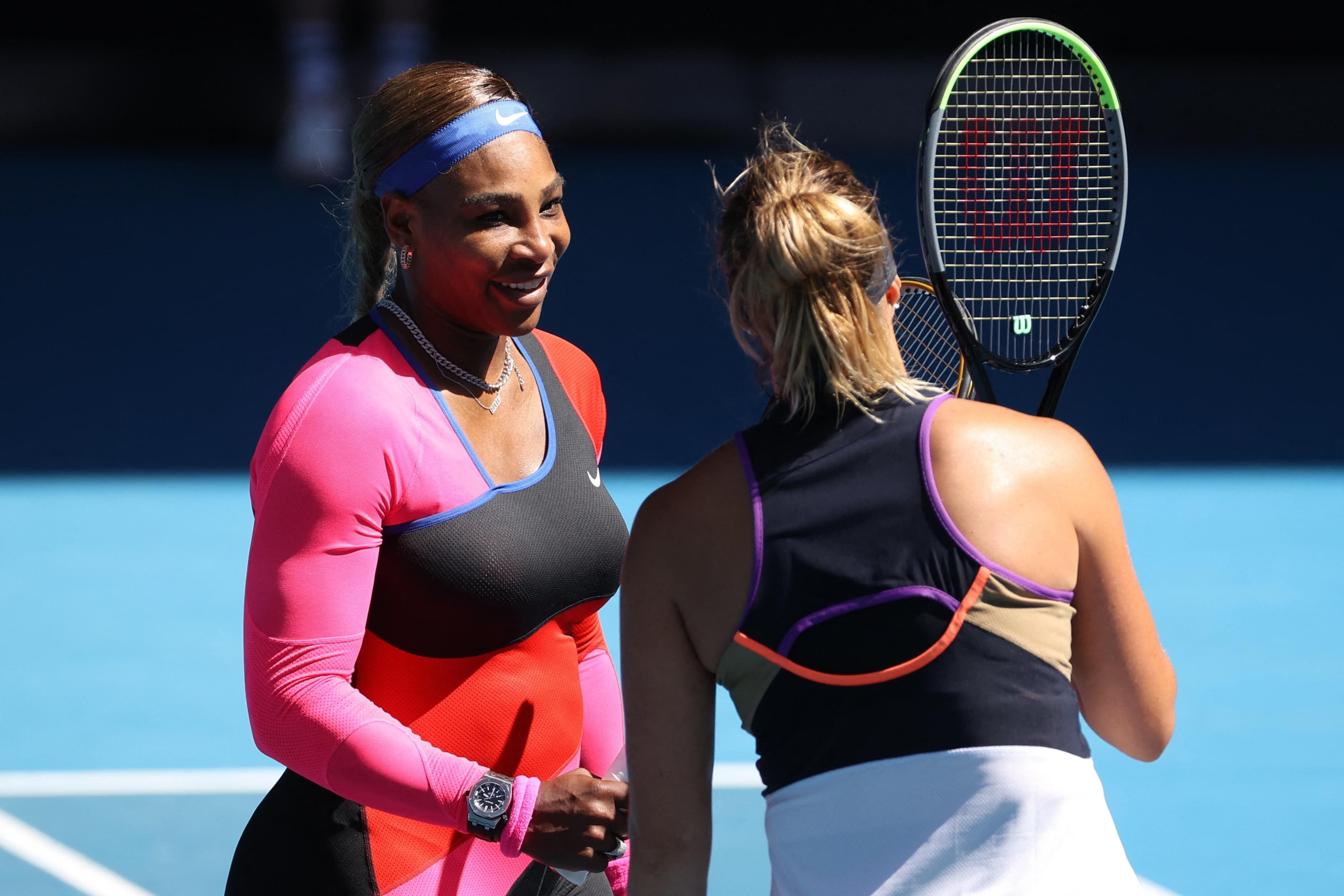
Serena Williams Is Back — And Women's Tennis Will Never Be the Same
The tennis world has been buzzing with a single piece of news that has captured the imagination of sports fans globally: Serena Williams is returning to professional tennis at Wimbledon 2026. It is a comeback story that few could have predicted, and one that carries enormous weight — not just for Williams herself, but for the entire landscape of women's tennis. Because standing in her path, at the very top of the sport, is Aryna Sabalenka, the most dominant and feared player in the game today. The collision of these two eras is not just a sporting event. It is a cultural moment.
Understanding the Scale of Serena Williams' Legacy
To appreciate what Serena Williams' return means, you first have to understand what she left behind. With 23 Grand Slam singles titles, Serena is widely regarded as the greatest tennis player of all time, male or female. Her power, athleticism, competitive drive, and mental fortitude redefined what was possible in women's tennis. She spent years as the undisputed queen of the sport, winning at Roland Garros, the US Open, the Australian Open, and most famously, on the grass courts of Wimbledon — a surface where she won seven singles titles.
Her retirement in 2022 left a void that no single player has been able to fill completely. The tour moved on, new champions emerged, and the game evolved. But Serena's shadow never truly left. Her name remained in every conversation about greatness, and her return to Wimbledon in 2026 has brought that conversation roaring back to life.
Aryna Sabalenka: The Dominant Force Serena Returns To Face
If there is one player who has come closest to filling that void, it is Aryna Sabalenka. The Belarusian has transformed herself from a powerful but erratic hitter into one of the most complete players the tour has ever seen. Her serve is among the best in the history of the women's game, her groundstrokes are ferocious, and her mental game — once considered her greatest weakness — has become a genuine strength.
Sabalenka has accumulated multiple Grand Slam titles and has held the world No. 1 ranking with a consistency that demands respect. She thrives under pressure, performs exceptionally well at the biggest tournaments, and has developed a brand of aggressive, high-intensity tennis that is very difficult to counter. Heading into Wimbledon 2026, she is the clear favorite for the title and the benchmark against which every other player in the draw must be measured.
How Does Serena Williams Actually Compare?
This is the question every tennis analyst, fan, and commentator is asking. Comparing the two players involves weighing several key factors:
- Power and serve: Both players are renowned for their serving ability. Sabalenka's serve is arguably more technically refined at this stage, but Serena's delivery remains one of the most psychologically intimidating weapons in the history of the sport. Few players have served bigger in Grand Slam pressure moments.
- Baseline game: Sabalenka's groundstrokes are heavy and consistent. Serena, even at her peak, was more variably clinical — capable of extraordinary winners but also capable of errors when not fully dialed in. The question is how much rust she has shaken off during her preparation.
- Movement and fitness: This is the area where Serena faces the steepest challenge. Sabalenka is at the peak of her physical powers, while Serena returns after an extended break from professional competition. Movement, recovery between points, and endurance over best-of-three sets late in a tournament will be critical variables.
- Mental and competitive edge: Here, Serena may still hold an advantage. She has won Wimbledon seven times. She knows how to manage the weight of expectation, how to raise her game on the biggest stages, and how to find reserves of resilience that have broken lesser opponents. That experience does not disappear with time.
Why Wimbledon Is the Perfect Stage for This Comeback
Serena Williams did not choose to return at just any tournament. She chose Wimbledon — the most storied venue in tennis, and the surface on which she has enjoyed some of her greatest triumphs. Grass suits her game. It rewards aggressive serving, limits extended baseline exchanges, and can neutralize opponents who rely on heavy topspin to control rallies. If Serena was going to return anywhere with a realistic path deep into a major draw, Wimbledon is the most logical choice.
There is also a narrative symmetry to it. Wimbledon was the site of some of her most iconic performances. Returning there, under the lights of Centre Court, in front of a crowd that has always adored her, gives the comeback a theatrical quality that cannot be manufactured. It is the right stage for a player of her stature.
What This Means for Women's Tennis
Beyond the head-to-head matchup, Serena's return raises broader questions about the state of women's tennis and where the sport is heading. Her presence at a Grand Slam will draw global attention, introduce younger fans to her legacy, and put immediate pressure on every player in the draw to raise their standard.
For Sabalenka, it presents a unique kind of challenge. Defending a position of dominance against a living legend carries a different psychological weight than simply beating an in-form rival. A win over Serena would further cement her status as the era-defining player of this generation. A loss, even in the early rounds, would reframe the narrative entirely.
The Bottom Line
Serena Williams' return to tennis at Wimbledon 2026 is one of the most compelling storylines the sport has produced in years. Aryna Sabalenka remains the favorite and the dominant force in women's tennis — but Serena Williams has spent her entire career proving that favorites and dominant forces are there to be beaten. Whether her comeback ultimately culminates in another title run or concludes in a hard-fought defeat, one thing is certain: all eyes will be on Centre Court, and the sport will be better for her presence in it.