
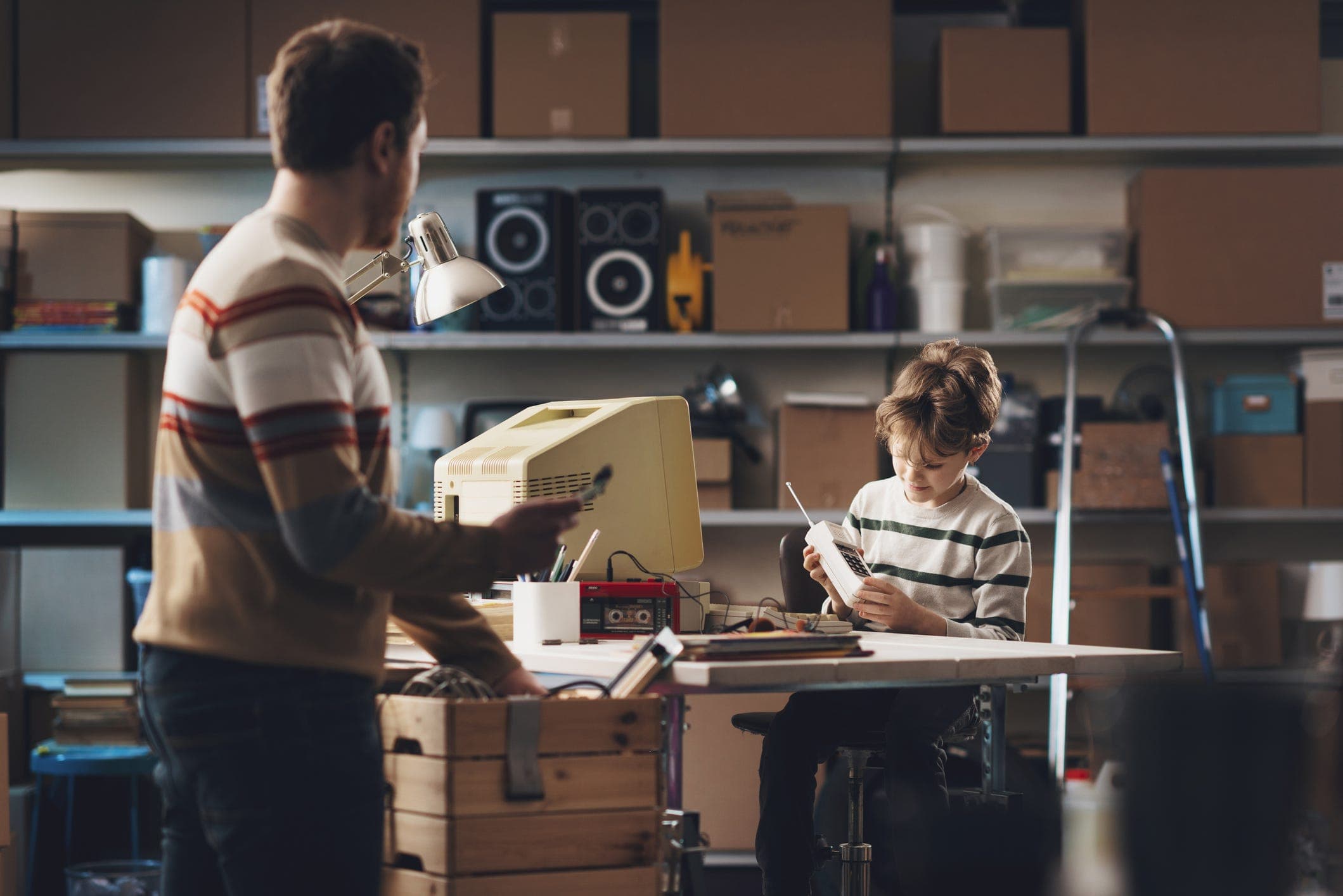
Is Your Basement Secretly a Clutter Trap? Here's What Needs to Go
The basement. For many homeowners, it starts with the best of intentions — a place to store seasonal decorations, sports equipment, or extra furniture — and slowly transforms into a labyrinth of forgotten boxes and mystery bins. If you haven't been able to walk through your basement without navigating an obstacle course lately, you're not alone. Professional organizers see it all the time, and they have clear opinions about what's making the problem worse.
The good news? Getting your basement back under control doesn't require a full weekend renovation or a massive budget. Often, it simply starts with removing the items that have no business being down there in the first place. Here are eight things pro organizers say you should pull out of your basement as soon as possible — and why getting rid of them will make a bigger difference than you might expect.
1. Broken or Damaged Items "Waiting to Be Fixed"
Every basement seems to have a corner dedicated to things that are broken but "might be useful someday." A lamp with a missing shade. A chair with a cracked leg. A treadmill that stopped working three years ago. Professional organizers are unanimous on this one: if it has been sitting there for more than a few months without being repaired, it's not getting fixed. Donate what can be salvaged by someone with the right skills, and responsibly dispose of the rest. Holding onto damaged items creates visual noise and eats up valuable real estate.
2. Duplicates of Items You Already Have Upstairs
It's surprisingly common to discover three sets of dishes, two vacuum cleaners, or four toolboxes buried in a basement. Duplicates accumulate when people store an old version of something they've replaced rather than letting it go. Pro organizers recommend keeping only what you actually use and choosing the best version of each item. Pass the extras along to friends, family, or a local donation center. One well-organized set of anything is far more functional than three disorganized ones.
3. Old Electronics and Cords Without Devices
Old televisions, outdated computers, tangled extension cords, and the chargers for phones you no longer own are among the most common basement offenders. Electronics degrade over time, and many older models contain materials that can be hazardous if they begin to break down. Loose cords without matching devices serve no purpose at all. Most communities offer electronics recycling programs or e-waste drop-off events. Look one up and get those items out of your home in an environmentally responsible way.
4. Clothing That No Longer Fits or Gets Worn
Boxes of old clothing — especially items saved "just in case" you return to a previous size or style — are among the biggest space-wasters in any basement. Fabric stored in a basement is also vulnerable to moisture, mold, and pests, meaning those clothes may not even be wearable when you finally open the box years later. Be honest with yourself about what you actually wear. Donate gently used clothing to shelters or thrift stores, and let go of the sentimental weight of holding onto clothes that no longer serve your life.
5. Expired or Hazardous Chemicals
Paint cans, pesticides, cleaning solvents, and other chemicals tend to accumulate in basements over years. Many of these expire, lose effectiveness, or become genuinely dangerous as they age. Storing flammable or toxic materials in an enclosed space is a serious safety concern, and many municipalities have strict guidelines about proper disposal. Check with your local hazardous waste disposal program to find out how to get rid of these items safely. This is one removal that goes well beyond organization — it's a matter of protecting your family's health.
6. Furniture You're Neither Using Nor Loving
Large pieces of furniture are among the most space-consuming items in a basement. An old sofa that didn't survive a style update, a dining table from a previous home, or a dresser with missing knobs — these items block airflow, collect dust, and make the space feel impossibly full. Unless you have a concrete plan and timeline for using a piece of furniture again, organizers say it's time to let it go. Sell it, donate it, or have it hauled away. The open floor space you reclaim will transform the entire feel of your basement.
7. Children's Items Your Kids Have Outgrown
Baby gear, outgrown toys, and kids' sports equipment from activities they abandoned years ago have a way of piling up fast. While it can be emotionally difficult to let go of items tied to childhood memories, professional organizers encourage parents to ask whether keeping every item truly honors those memories — or whether it simply takes up space. Consider photographing sentimental pieces before donating them. Pass along gently used gear to families who need it now. The memories live with your children, not in the boxes.
8. Random Paper, Old Magazines, and Junk Mail
Paper might be the sneakiest basement clutter of all. Old magazines, catalogs, newspapers, instruction manuals for appliances you no longer own, and stacks of junk mail can fill entire shelving units without anyone noticing. Paper also attracts pests and poses a fire hazard. Shred documents containing personal information, recycle the rest, and commit to a no-paper-in-the-basement rule going forward. If you need to keep important documents, a dedicated fireproof filing box stored neatly on a shelf is far more effective than loose stacks.
Start Small, But Start Today
Reclaiming your basement doesn't have to happen in a single afternoon. The key insight from professional organizers is this: the items above aren't just taking up space — they're actively preventing you from using your basement in ways that could genuinely improve your daily life. A decluttered basement can become a home gym, a hobby room, extra guest space, or simply a calm, organized storage area that you can actually navigate.
Pick one category from this list and tackle it this weekend. You'll be surprised how quickly momentum builds once you start seeing open floor space appear. Your basement has a lot of potential — it just needs a little room to breathe.