
True Beauty Lashes Is Betting on LashLovr to Win Back Ecommerce
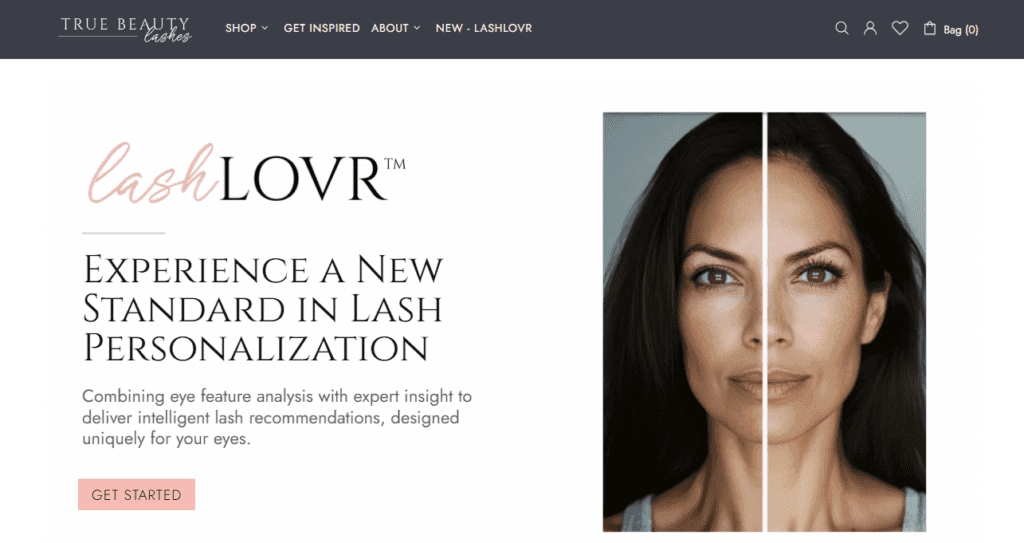
For many beauty entrepreneurs, the dream is to land a deal with a major department store. It signals legitimacy, reach, and retail credibility. But for Lisa Stroud, founder of True Beauty Lashes, that dream came with an unexpected cost — one she is now working hard to reverse. The brand has officially launched LashLovr, a virtual try-on tool developed in partnership with Perfect Corp., as part of a broader strategy to reestablish ecommerce as its primary channel for direct customer engagement and sales.
The story of True Beauty Lashes is a cautionary tale that many fast-growing consumer brands will recognize: scale too quickly through wholesale, and you risk losing the very thing that makes a brand sustainable in the long run — a direct relationship with your customers.
From Side Hustle to Department Stores in 18 Months
True Beauty Lashes did not begin as a major retail brand. Like so many successful beauty companies, it started as a side hustle. Founder Lisa Stroud launched the brand with ecommerce at its core, selling directly to consumers through her own digital channels. The model worked. Within just 18 months of launching, the brand had attracted enough attention to land placements in department stores.
Wholesale growth was significant, Stroud acknowledged, and it played what she described as a "meaningful role" in expanding the brand's visibility and validating its place in the competitive beauty market. Getting into department stores early gave True Beauty Lashes credibility and exposure it might have taken years to build otherwise.
But that rapid pivot also introduced a structural problem that took years to fully appreciate.
The Hidden Cost of Wholesale: Losing First-Party Data
When True Beauty Lashes moved into wholesale channels, it inserted a critical intermediary between the brand and its customers — the retailer. Department stores own the customer relationship at point of sale. They collect the purchase data, the browsing behavior, and the demographic insights. The brand, by contrast, receives revenue but very little customer intelligence.
"We really lost that visibility going into department stores super early on," Stroud said. "And so that's actually been a pain point for us in the past few years of being able to grow and scale and revisit back into direct-to-consumer marketing because we don't have as much information about who our customer is from having the retailer in between us."
This is the first-party data problem in its most tangible form. First-party data — information collected directly from your own customers through your own platforms — is the foundation of modern digital marketing. It powers personalization, retargeting, email campaigns, and product development decisions. Without it, brands are essentially flying blind when it comes to understanding who their buyers are, what motivates them, and how to retain them.
Stroud admitted she did not fully realize this gap existed when she first transitioned into wholesale. It was only over time, as the brand tried to re-engage its digital audience, that the absence of that data became a clear obstacle.
Reestablishing a Direct-to-Consumer Presence
Recognizing the problem is one thing. Solving it is another. True Beauty Lashes is now making a deliberate effort to move ecommerce back into its primary position as a customer engagement and revenue channel. The launch of LashLovr is central to that effort.
LashLovr is a virtual try-on experience built with Perfect Corp., a leading provider of AI and augmented reality beauty technology. The tool allows shoppers to virtually "try on" different lash styles before purchasing, reducing the hesitation that often comes with buying beauty products online. That kind of interactive, confidence-building experience is exactly what can turn a casual website visitor into a paying customer — and, more importantly for the brand's long-term goals, into a known customer whose data now lives inside True Beauty Lashes' own systems rather than a retailer's.
Why Virtual Try-On Tools Matter for Beauty Ecommerce
The integration of virtual try-on technology into beauty ecommerce has grown significantly in recent years. Consumers shopping for cosmetics, lashes, eyewear, and even apparel increasingly expect some form of digital visualization before committing to a purchase. The technology addresses one of the core friction points of online shopping: the inability to see how a product will actually look on you.
For a lash brand in particular, this matters enormously. Lash styles vary widely — from natural and wispy to dramatic and voluminous — and what looks stunning on one eye shape may not suit another. A virtual try-on tool empowers shoppers to make more confident, informed decisions, which typically results in:
- Higher conversion rates on product pages
- Lower return rates due to better purchase fit
- Longer session times and deeper brand engagement
- More first-party behavioral data captured through the shopping experience
Each of these outcomes directly supports True Beauty Lashes' dual goals of driving ecommerce revenue and rebuilding its customer data foundation.
A Broader Lesson for DTC Beauty Brands
The True Beauty Lashes story reflects a tension that many consumer brands navigate: the allure of wholesale scale versus the strategic value of direct-to-consumer ownership. Wholesale can accelerate growth and brand awareness, but it rarely builds the kind of deep customer intelligence that fuels sustainable, long-term business decisions.
As third-party cookies continue to deprecate and digital advertising costs rise, first-party data has never been more valuable. Brands that own their customer relationships — through their own websites, email lists, loyalty programs, and interactive tools like virtual try-ons — are far better positioned to adapt, personalize, and grow than those dependent on retail intermediaries for consumer insights.
Stroud's willingness to name the mistake openly and pivot strategically is itself a model worth noting. Recognizing that moving into wholesale too early cost the brand its data visibility, and then building a product specifically designed to re-engage customers on its own platform, is a clear-eyed response to a common ecommerce challenge.
What's Next for True Beauty Lashes
With LashLovr now live and ecommerce repositioned as the brand's primary direct engagement channel, True Beauty Lashes is essentially rebuilding the customer data infrastructure it never fully developed in its early days. The virtual try-on tool is not just a novelty — it is the mechanism through which the brand intends to learn who its customers are, what styles they prefer, and how to market to them more effectively over time.
Whether through expanded digital marketing, loyalty programs, or further product innovations informed by first-party insights, the brand's direction is clear: True Beauty Lashes is coming back to its ecommerce roots, this time with far more intention about what it means to own the customer relationship from the very first click.
For beauty founders and DTC brand operators watching from the sidelines, the lesson is worth internalizing early: your ecommerce platform is not just a sales channel. It is your most valuable source of customer intelligence — and protecting that access from the start is worth more than almost any wholesale deal you will ever sign.