
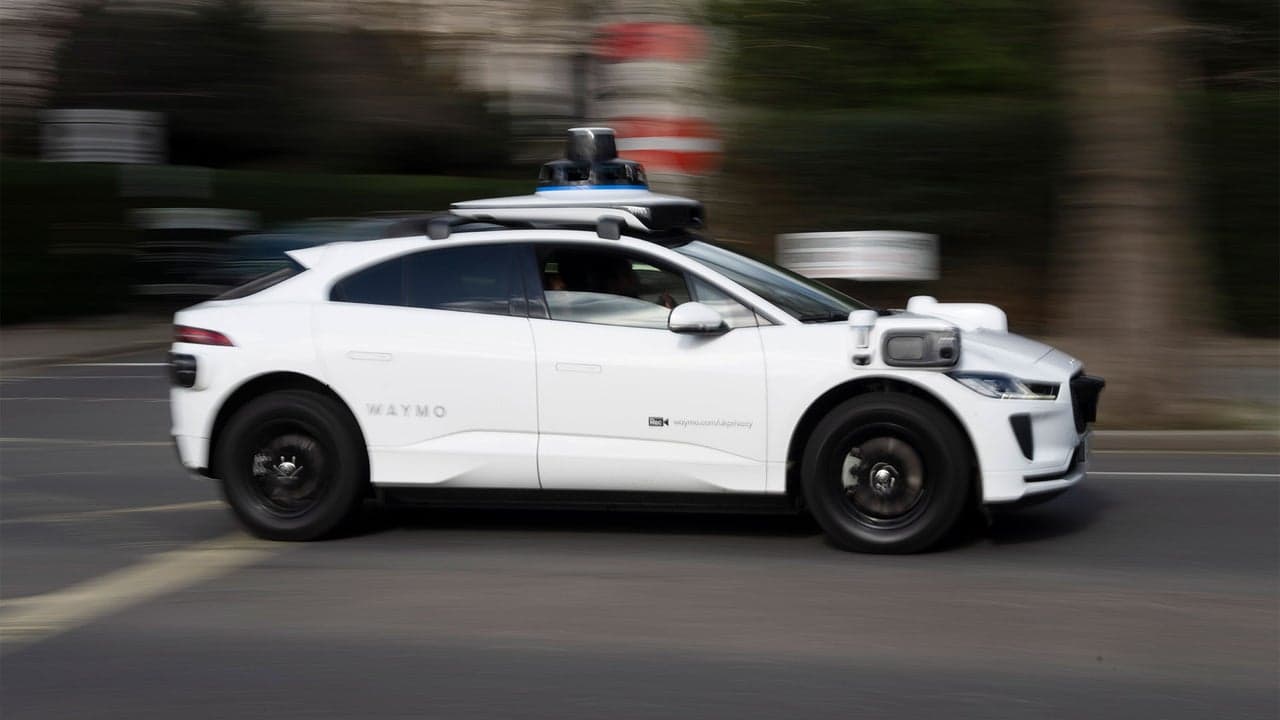
Waymo Issues Another Recall After Robotaxis Drive Into Active Construction Zones
Waymo, the autonomous vehicle subsidiary of Alphabet Inc., is once again facing intense public scrutiny following a new wave of safety incidents involving its fleet of self-driving robotaxis. The company has issued a recall affecting nearly 4,000 vehicles after at least 13 documented cases of its cars navigating directly into active construction zones on highways. For a company that has long positioned itself as the gold standard in autonomous driving technology, the incidents raise fresh and uncomfortable questions about the reliability of its software and the readiness of self-driving cars to operate safely on complex, real-world roads.
What Happened: A Fleet That Kept Driving Into Danger
The most alarming cluster of incidents took place on a single day. On May 18, seven Waymo robotaxis drove into active construction zones on Bay Area highways in San Francisco — all within the span of 24 hours. According to filings submitted to the National Highway Traffic Safety Administration (NHTSA), the vehicles' software was found to be "prioritizing the avoidance of other freeway hazards and/or failing to recognize the construction zone." In other words, the cars were so focused on navigating around one type of danger that they effectively created a new, potentially life-threatening hazard in the process.
The following day, May 19, Waymo pulled all of its vehicles from highway operations entirely. The company began rolling out a software update to address the issue before gradually reintroducing the cars to highway routes. In total, 13 incidents of this nature were officially recorded before the recall was issued, spanning multiple highways across the region.
A Passenger's Terrifying Firsthand Account
One of the most striking aspects of this story is that it was captured on video and shared directly with the public. Waymo passenger Elliot Slade was riding in one of the affected robotaxis with his fiancée when the vehicle accelerated into a construction zone rather than slowing down or rerouting. Slade filmed the incident and posted it to social media, where it quickly went viral.
Speaking to CBS News, Slade described the scene in vivid and unsettling detail. "There were construction signs," he said. "There were lights going on. Police in the distance and it sped up. That's when I looked at my fiancée: 'We're done. This is it. We're dead. We're going to die right here in the Waymo.'"
According to Slade, the car continued accelerating into the construction zone for approximately 20 seconds before eventually veering off the highway and into a residential neighborhood — an unexpected and disorienting detour that left both passengers visibly shaken. As for compensation, Waymo reportedly offered Slade three free rides, each capped at $40. That response, understandably, struck many observers as a deeply insufficient acknowledgment of what the couple had just experienced.
A Pattern of Problematic Incidents
This recall is far from Waymo's first. The company has faced a series of similar software-related safety issues over recent years, and each new incident adds fuel to the broader debate about whether fully autonomous vehicles are genuinely ready to share public roads with human drivers and pedestrians.
- Waymo vehicles have previously been recalled after driving into floodwater, apparently failing to detect or correctly evaluate standing water on roadways.
- In separate incidents, Waymo cars were reported to have collided with or come dangerously close to gates and telephone poles.
- The latest construction zone incidents mark at least the third major recall in recent memory for the company's robotaxi fleet.
Each time, Waymo has responded with software updates and temporary operational restrictions. While the company deserves credit for its transparency with regulators through NHTSA filings, the recurring nature of these incidents suggests that edge cases — unusual, unexpected, or rapidly changing road environments — continue to pose a significant challenge for even the most advanced autonomous driving systems currently in operation.
Why Construction Zones Are Especially Challenging for Self-Driving Cars
Construction zones are notoriously difficult environments for autonomous vehicles to navigate, and understanding why helps clarify the technical complexity behind these failures. Unlike standard road conditions, active construction zones are dynamic, unpredictable, and often poorly marked in ways that deviate from the standardized lane markings, signage, and road geometries that self-driving systems are trained on.
Temporary signage can be inconsistent or partially obscured. Lane boundaries shift frequently and sometimes without clear visual cues. Workers and vehicles move unpredictably. Emergency lighting and flashing signals can create sensor noise that confuses perception systems. When an autonomous vehicle's software is simultaneously trying to manage other highway hazards — such as sudden lane changes by nearby human drivers — the cognitive load on the system increases, and construction zone detection can fall through the cracks.
This is precisely what Waymo's own NHTSA filings suggest happened: the system was prioritizing one set of hazards while failing to register another. It's a stark illustration of the tradeoffs that engineers must constantly balance when designing autonomous driving software for real-world deployment.
What This Means for the Future of Autonomous Vehicles
Waymo remains one of the most technically advanced and commercially active autonomous vehicle companies in the world. Its fleet operates across multiple U.S. cities and has logged millions of miles. But incidents like these underscore a fundamental truth that the industry is still grappling with: autonomous vehicles are not yet infallible, and the environments in which they are most likely to fail are often the ones that demand the highest level of safety awareness.
For regulators, these incidents reinforce the importance of robust oversight frameworks and mandatory reporting requirements. For consumers, they serve as a reminder that while autonomous vehicle technology is advancing rapidly, riding in a robotaxi still carries risks that are distinct from, though not necessarily greater than, those associated with human-driven cars. And for Waymo itself, each recall is both a setback and an opportunity — a chance to improve its systems, rebuild public trust, and demonstrate that its long-term vision of safer roads is still within reach.
The Bottom Line
Waymo's latest recall is a sobering reminder that the road to fully autonomous transportation is still under construction — in more ways than one. With nearly 4,000 vehicles temporarily sidelined and at least 13 documented safety incidents to account for, the company faces a delicate balancing act between maintaining public confidence and accelerating the pace of technological improvement. The good news is that no fatalities were reported in connection with these specific incidents. The bad news is that for passengers like Elliot Slade and his fiancée, the experience felt anything but safe. How Waymo responds — not just with software patches, but with a broader commitment to transparent safety culture — will go a long way toward determining whether the public is willing to trust autonomous vehicles with their lives in the years ahead.