
Why Your Dishwasher Might Be Ruining Your Favorite Kitchen Items
The dishwasher is one of the greatest inventions in modern kitchen history. Load it up, press a button, and walk away — no scrubbing, no soaking, no standing at the sink for half an hour. It's no wonder most of us default to tossing everything in there after a big meal. But cleaning experts warn that this convenient habit could be slowly destroying some of your most-used and most-valued kitchen tools.
The combination of high heat, powerful water jets, and harsh detergents that makes the dishwasher so effective at cleaning is exactly what makes it so destructive to certain materials. Wood warps, metals corrode, coatings strip, and delicate finishes fade — often after just a few cycles. The damage may be subtle at first, but over time you'll find yourself replacing items far sooner than you should have to.
So before you load up the rack tonight, take a look at what cleaning professionals say you should always keep out of the dishwasher — and why.
Wooden Items: Cutting Boards, Spoons, and Bowls
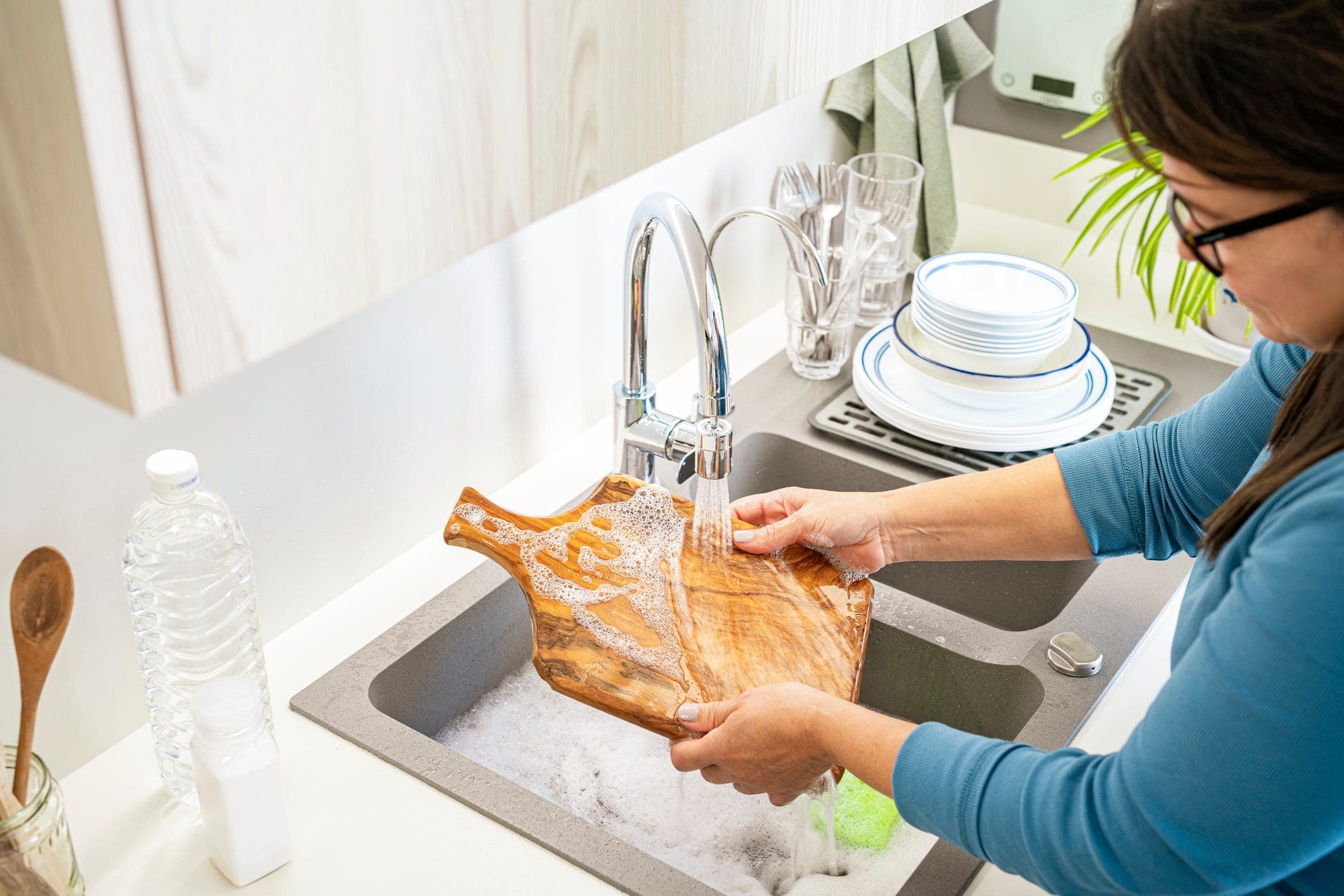
Wood and dishwashers are a notoriously bad combination. Whether it's your treasured wooden cutting board, a set of serving spoons, or a beautiful salad bowl, these items should always be hand-washed. The prolonged exposure to hot water and steam causes wood to absorb moisture, expand, and then crack or warp as it dries. Repeat this process a few times and you'll start to see splitting along the grain, warped surfaces, and a rough, splintered texture that's both unpleasant and unhygienic.
Beyond the structural damage, dishwasher detergent strips the natural oils from wood, leaving it dry and brittle. To keep wooden kitchen items in good condition, wash them quickly with warm soapy water, rinse, and dry them immediately. Periodically treating them with food-grade mineral oil will extend their life significantly.
Cast Iron Cookware
If you own a cast iron skillet or Dutch oven, you already know how much care goes into seasoning it. That layer of polymerized oil built up over months or even years of cooking is what makes cast iron non-stick and rust-resistant — and the dishwasher will strip it completely in a single cycle. Worse, the prolonged moisture exposure will cause cast iron to rust almost immediately after washing.
Cast iron should be cleaned by hand using hot water and a stiff brush, then dried thoroughly on the stovetop over low heat to remove any remaining moisture. A light coat of oil after drying keeps the seasoning intact and the surface protected.
Non-Stick Pans and Cookware
The non-stick coating on pans — whether PTFE-based (like Teflon) or ceramic — is surprisingly delicate. Dishwasher detergents are abrasive, and the high-heat drying cycle accelerates the breakdown of these coatings over time. Once the coating starts to degrade, it can flake into food and the pan loses its non-stick properties entirely, making it both unsafe and ineffective.
Always hand-wash non-stick pans with a soft sponge and mild dish soap. Even if the packaging says "dishwasher safe," regular machine washing will shorten the lifespan of the coating considerably.
Sharp Knives
Your good kitchen knives deserve better than a spin in the dishwasher. The high-pressure water jets knock blades against other items in the rack, dulling edges quickly. The harsh detergent also corrodes the metal over time, and wooden handles — if your knives have them — will crack and loosen just as any other wood item would. Beyond the damage to the knives themselves, sharp blades rattling around in a dish rack are a safety hazard when it comes time to unload.
Hand-wash your knives immediately after use, dry them right away to prevent rust, and store them in a knife block or on a magnetic strip to protect the blades. A quick hone before each use will keep them sharp far longer.
Delicate Glassware and Crystal
Fine glassware and crystal are particularly vulnerable to the dishwasher's heat and detergents. Over time, glassware develops a cloudy, etched appearance that cannot be reversed — it's caused by a chemical reaction between the glass surface and the alkaline detergent, accelerated by soft water. Crystal, which contains minerals that make it more reactive, is even more susceptible to this kind of damage.
Hand-wash delicate glasses in warm water with a small amount of dish soap, rinse thoroughly, and dry immediately with a lint-free cloth to avoid water spots.
Items with Adhesive Labels or Printed Decorations
Mugs, glasses, or containers with printed logos, painted designs, or adhesive labels should also stay out of the dishwasher. The heat and detergent will cause printed designs to fade and peel, and adhesive labels can come unstuck entirely, leaving residue on the item and potentially clogging the dishwasher's filter.
Insulated Tumblers and Travel Mugs
Many insulated tumblers and travel mugs are labeled dishwasher safe on the exterior, but the machine's heat can compromise the vacuum seal between the inner and outer walls that creates the insulation effect. Once that seal is broken, your tumbler loses its ability to keep drinks hot or cold — defeating the entire purpose of owning one. Check manufacturer instructions carefully, and when in doubt, hand-wash.
The Bottom Line: When in Doubt, Hand-Wash
The dishwasher is a powerful time-saver, but it isn't the right tool for every job. Protecting your kitchen investments means knowing the difference between what can handle machine washing and what truly cannot. As a general rule of thumb: if an item is made of wood, has a special coating, contains sharp edges, is made of delicate glass or crystal, or has an insulating function — keep it out of the machine.
A few extra minutes spent hand-washing the right items will save you from the frustration and expense of replacing warped cutting boards, rusted cast iron, dull knives, and cloudy glassware far sooner than you should have to. Your kitchen tools will last longer, perform better, and continue to look great — and that's a trade-off well worth making.