
One of New York's Biggest Political Upsets in Recent Memory
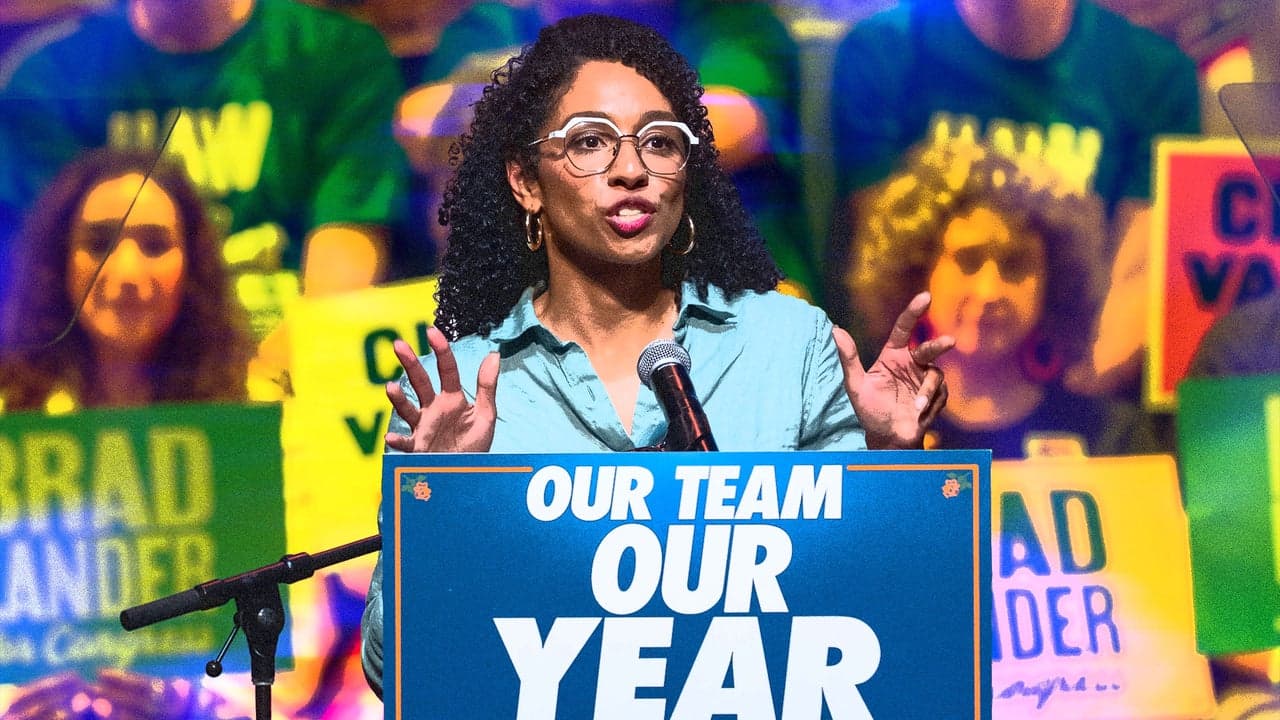
In a result that left seasoned political observers scrambling for context, 32-year-old political newcomer Darializa Avila Chevalier defeated five-term Democratic Congressman Adriano Espaillat in the primary election for New York's 13th Congressional District. The victory was not just surprising — it was seismic. Avila Chevalier, a community organizer and doctoral student with zero experience in elected office, took more than 49% of the vote against one of New York's most entrenched congressional incumbents. For many in the progressive movement, it felt like a watershed moment. For the political establishment, it was a stark warning shot.
So who exactly is Darializa Avila Chevalier, and how did she manage to unseat a congressman who had spent millions of dollars trying to stop her?
Who is Darializa Avila Chevalier?
Darializa Avila Chevalier is a 32-year-old community organizer, law office worker, and doctoral student who, until just weeks before the election, was virtually unknown in New York political circles. She was not a career politician. She had never run for office before. She did not come with a war chest of donor money or a long list of establishment endorsements. What she did bring was a grassroots connection to the communities of New York's 13th District and a political identity rooted firmly in democratic socialist values.
Raised by a single mother who worked as a case worker, Avila Chevalier has described her upbringing as one shaped by proximity to the people that mainstream politics often overlooks. That personal history became a cornerstone of her campaign message — and it resonated with voters in ways that Espaillat's experienced political machine could not counter.
Beyond her background, Avila Chevalier gained public attention for her activism at Columbia University, where she led Palestinian solidarity protests. She has also been openly critical of Immigration and Customs Enforcement, or ICE, positioning herself as a progressive voice on immigration policy in a district with deep ties to immigrant communities.
The Role of Mayor Zohran Mamdani's Endorsement
If there was a single turning point in this race, most analysts would point to the endorsement of New York City Mayor Zohran Mamdani. His support for Avila Chevalier, announced just three weeks before election day during a live television appearance, effectively launched her campaign into a new stratosphere of public awareness.
The endorsement was notable for another reason: Mamdani had previously backed Espaillat. The pivot in the final stretch of the race was a pointed signal that the progressive wing of the Democratic Party was consolidating behind Avila Chevalier as the candidate best positioned to represent the future of the movement.
"She is the daughter of a single mom case worker and she grew up with a commitment to the very people that politics have left behind," Mamdani said while seated beside the candidate during the live broadcast. The statement was widely shared and helped introduce Avila Chevalier to thousands of voters who had never heard her name before.
How Espaillat Fought Back — And Why It Wasn't Enough
Adriano Espaillat did not go quietly. The five-term congressman spent millions of dollars in the final weeks of the campaign in an effort to disqualify his challenger in the eyes of voters. His campaign zeroed in on controversial tweets that Avila Chevalier had posted in the past, which included critical comments directed at former President Joe Biden and former Vice President Kamala Harris. The strategy was designed to paint her as too extreme and too risky for a competitive general election.
Avila Chevalier addressed the tweets directly, stating publicly that she "deeply regretted" them. The acknowledgment appeared to satisfy enough voters that the controversy failed to derail her momentum in any meaningful way.
The attacks did not stop with policy disagreements. Supporters of Espaillat subjected Avila Chevalier to a wave of racist attacks across social media, a development that was widely condemned and may have ultimately generated sympathy for the younger candidate rather than damaging her campaign.
Despite the financial disparity and the opposition research offensive, Avila Chevalier's support held firm. The spending gap between the two candidates made her margin of victory all the more remarkable.
What Her Victory Means for New York Progressive Politics
The defeat of Adriano Espaillat represents more than one candidate beating another. It reflects a broader generational and ideological shift playing out within the Democratic Party in New York and across the country. Voters in the 13th District chose a candidate with no political resume, no major institutional backing at the outset, and a willingness to take positions that the party's mainstream has historically shied away from.
Her victory joins a growing list of primary upsets powered by grassroots organizing, progressive coalitions, and the kind of street-level energy that traditional campaign infrastructure has struggled to replicate. It also raises Avila Chevalier's national profile dramatically, transforming her overnight from a little-known activist into one of the most-watched figures in progressive Democratic politics.
What Comes Next for Darializa Avila Chevalier?
With the primary win secured, Avila Chevalier will face the general election for New York's 13th District. In a district that leans heavily Democratic, a primary victory often functions as the decisive contest. If she wins in November, she will become one of the youngest members of Congress and one of its most prominent democratic socialist voices.
Her story — from community organizer and doctoral student to congressional candidate in the span of a few weeks — is already capturing national attention. Whether she can carry that momentum through to November remains to be seen, but one thing is certain: Darializa Avila Chevalier is no longer flying under the radar.
Key Facts About Darializa Avila Chevalier
- Age: 32 years old at the time of the primary election
- District: New York's 13th Congressional District
- Background: Community organizer, law office worker, and doctoral student
- Activism: Led Palestinian solidarity protests at Columbia University
- Policy positions: Critical of ICE and U.S. policy toward Israel
- Key endorsement: New York City Mayor Zohran Mamdani, announced three weeks before election day
- Vote share: More than 49% of the primary vote
- Opponent: Five-term Congressman Adriano Espaillat
Darializa Avila Chevalier's primary victory stands as one of the most stunning political upsets in New York's recent history. It is a testament to the power of grassroots organizing, timely endorsements, and a candidate whose personal story and policy convictions aligned with the moment her community was living through. The political world will be watching closely to see what she does next.