
An Unlikely Partnership That Rewrote the Rulebook
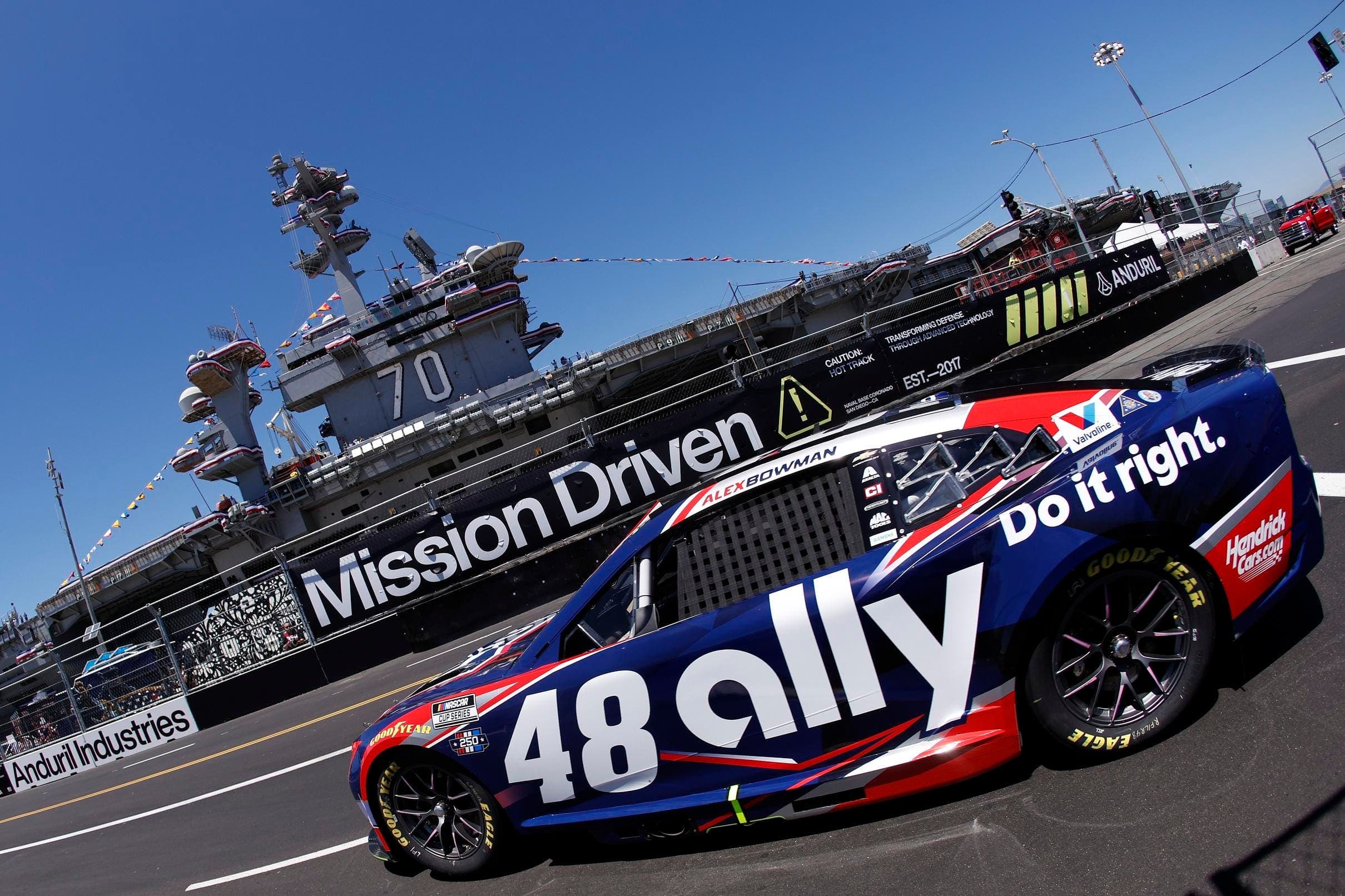
When most people think about a NASCAR race weekend, they picture sprawling asphalt speedways, grandstands packed with tens of thousands of fans, and the thunderous roar of stock cars pushing past 200 miles per hour. What they almost certainly do not picture is a United States Navy installation as the backdrop. Yet that is precisely what happened when the Navy opened the gates of one of America's busiest military hubs to NASCAR and its passionate fanbase. Behind the flyovers, the race cars, and the patriotic pageantry was a story years in the making — one that combined military strategy, public outreach, and a shared belief that motorsport and the armed forces have more in common than most people realize.
The Multi-Year Road to Getting a Green Light
Nothing about securing a NASCAR event on an active military installation happened quickly. The process unfolded over multiple years and required persistent negotiation between NASCAR officials, event organizers, and senior Navy leadership. Military bases operate under strict security protocols, infrastructure constraints, and operational priorities that civilian venues simply do not face. Every proposal had to be evaluated not just for its entertainment value, but for its potential impact on base readiness, personnel, and the surrounding community.
Advocates for the event had to demonstrate that a NASCAR race could coexist responsibly with an active military environment. That meant addressing concerns about crowd management, noise ordinances within a working installation, access control for thousands of civilian attendees, and the logistical challenge of transforming military real estate into a race-day experience. It was, by any measure, an enormous undertaking — and the fact that it succeeded says a great deal about the determination of everyone involved.
Why the Navy Ultimately Said Yes
So what tipped the scales? The answer lies in something the Navy cares deeply about: recruitment and public engagement. The United States military has long understood that maintaining a strong connection with the American public is essential to its mission. When civilian communities feel distant from military life, recruitment suffers, public support wanes, and the cultural bridge between service members and the broader population begins to erode.
NASCAR offered something uniquely valuable in this regard. With one of the most loyal and demographically diverse fanbases in all of American sports, NASCAR brings people together who share a deep appreciation for hard work, mechanical ingenuity, teamwork, and national pride — values that align closely with military culture. Hosting a race at a naval installation was not just a publicity stunt. It was a deliberate strategy to invite millions of Americans, both in attendance and watching on television, into a world they might never otherwise see.
The Operational and Symbolic Power of the Event
For the Navy, the optics of the event were as important as the logistics. Flyovers by naval aircraft above a NASCAR race send an unmistakable message: the United States military is capable, disciplined, and proud. When sailors in uniform interact with race fans on base grounds, when recruiters set up booths alongside NASCAR merchandise tents, and when active-duty personnel are honored on the frontstretch before the race begins, something powerful happens. The military stops being an abstract institution and becomes something personal and relatable.
From NASCAR's perspective, the partnership offered its own set of compelling benefits. Racing at a military installation carries an enormous amount of symbolic weight. It differentiates the event from a standard race weekend, creates once-in-a-generation memories for fans, and reinforces NASCAR's longstanding identity as a sport deeply intertwined with American heritage and patriotism. Few venues in the country carry the historical and emotional gravity of an active naval base.
What It Took to Make Race Day Actually Work
The behind-the-scenes coordination required to execute a NASCAR event on a military installation was staggering. Security clearances had to be arranged for thousands of staff, crew members, and media personnel. Infrastructure that had never been designed to handle civilian event traffic needed temporary upgrades. Grandstands, fencing, food vendors, and broadcast equipment all had to be integrated into a facility built for an entirely different purpose.
Navy personnel worked alongside NASCAR's event operations teams for months in advance. Contingency plans were developed for everything from medical emergencies to weather delays to the possibility of operational activity that could not be paused simply because race fans were on site. The collaboration required a level of institutional trust that had to be earned, not assumed.
A Blueprint for Future Military-Sports Partnerships
Perhaps the most lasting legacy of the Navy saying yes to NASCAR is what it signals for the future. The event demonstrated that with enough planning, mutual respect, and shared purpose, the gap between military installations and civilian entertainment is bridgeable. Other branches of the armed forces have taken notice. The template that was built — painstakingly, over years of negotiation — now exists as a model that could be replicated with other sports, other events, and other bases.
For NASCAR, it opens a new frontier of iconic venues and storytelling opportunities. For the Navy, it created a recruiting and engagement moment that no traditional advertisement could replicate. And for the fans who were there — standing on the grounds of one of America's most important military installations, watching race cars scream past naval aircraft — it was a reminder of just how extraordinary the intersection of American sport and American service can be.
More Than a Race Weekend
What happened when the Navy said yes to NASCAR was bigger than any single event. It was the result of years of relationship-building, a shared vision between two proudly American institutions, and the recognition that connecting with the public is not a distraction from the mission — it is part of it. The race may have lasted only a few hours. The conversations it started, and the doors it opened, will last considerably longer.