
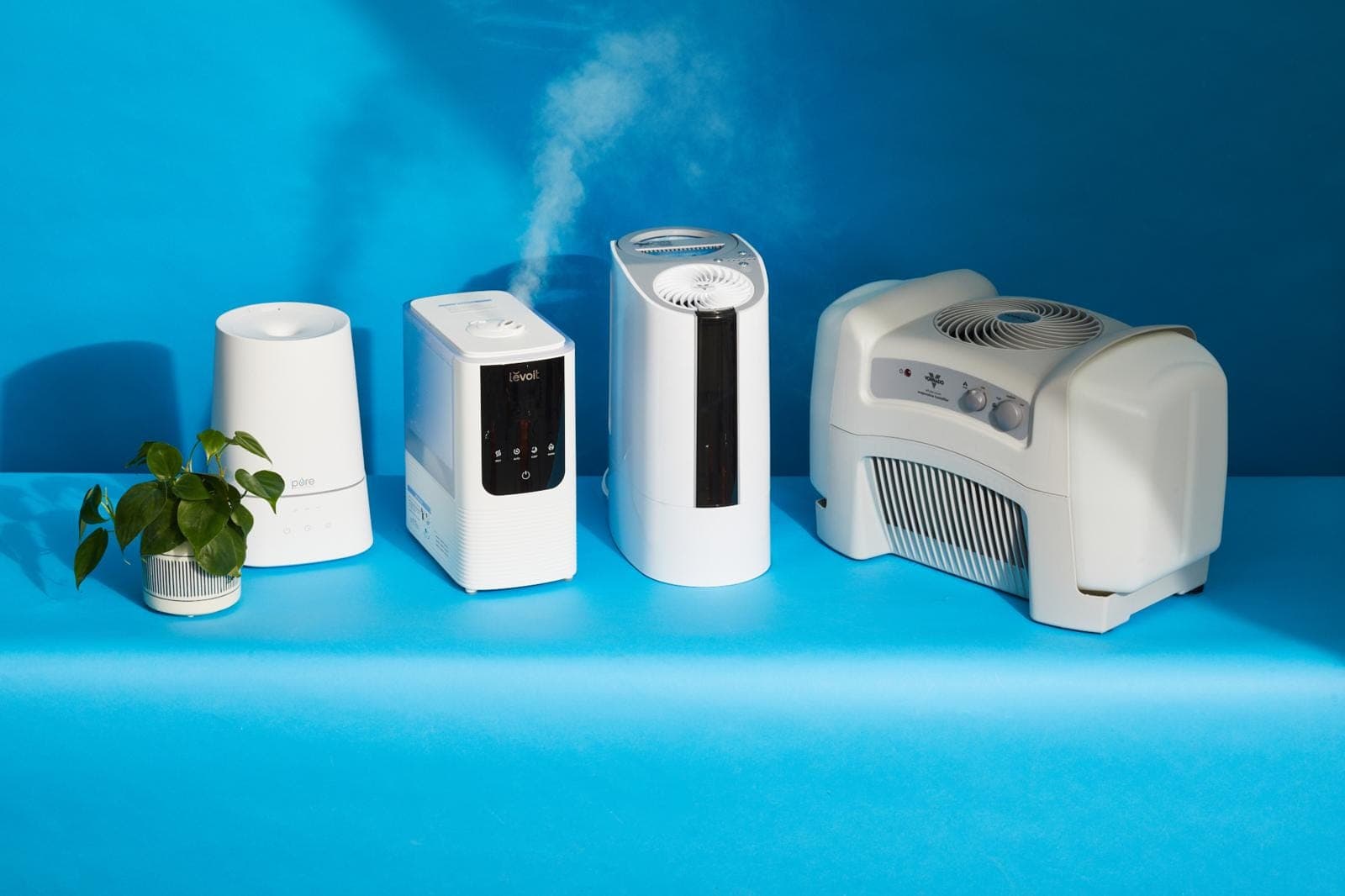
Why a Humidifier Could Be the Missing Piece in Your Wellness Routine
If you wake up with a scratchy throat, stuffy nose, or skin that feels like sandpaper, the air in your home could be the culprit. Low indoor humidity — especially during winter months when heating systems run nonstop — strips moisture from your airways and skin, triggering or worsening allergy symptoms. A high-quality humidifier can be one of the simplest, most effective investments you make for your health and comfort. But with hundreds of models on the market, choosing the right one can feel overwhelming. Our experts have done the legwork, so you don't have to.
How Humidifiers Help With Allergies and Dry Skin
Before diving into specific product picks, it helps to understand exactly what a humidifier does for your body. Maintaining indoor humidity between 40% and 60% is widely considered the sweet spot by allergists and dermatologists alike. Here is why that range matters so much:
- Allergy relief: Adequately humidified air helps keep nasal passages moist, reducing irritation from dust, pollen, and pet dander that trigger allergic reactions. When your mucous membranes are properly hydrated, they are far better equipped to trap and expel airborne allergens before they cause problems.
- Dry skin relief: Parched indoor air pulls moisture directly from your skin. Running a humidifier overnight can visibly improve skin hydration, reduce flakiness, and ease the itching associated with conditions like eczema and psoriasis.
- Better sleep: Dry air contributes to snoring and disrupted sleep. A properly humidified bedroom environment allows you to breathe easier throughout the night, leading to more restful and restorative sleep.
- Faster recovery from illness: When you are fighting a cold or respiratory infection, moist air soothes irritated tissues and can help thin mucus secretions, making it easier to breathe and recover.
Types of Humidifiers: Which One Is Right for You?
Not all humidifiers work the same way, and understanding the differences will help you make a smarter purchase decision. Each type has its own set of advantages depending on your home setup, health needs, and budget.
Cool Mist Humidifiers
Cool mist models are among the most popular choices for allergy sufferers. They work by dispersing room-temperature water vapor into the air, making them safer around children and pets since there is no hot steam involved. Ultrasonic cool mist humidifiers are especially quiet, using high-frequency vibrations to break water into a fine mist. Evaporative cool mist models draw air through a wet wick filter, which also traps some minerals and impurities before they enter the air. The main trade-off with cool mist units is that they require more frequent cleaning to prevent mold and bacterial growth.
Warm Mist Humidifiers
Warm mist humidifiers boil water before releasing steam into the room. Because the water is heated, bacteria and mold are less likely to survive, making these units somewhat more hygienic than their cool mist counterparts. They also tend to be quieter. However, the steam they produce can pose a burn risk, so they are generally not recommended for use in children's rooms. They are an excellent choice for adults dealing with persistent congestion, as warm vapor can feel especially soothing to irritated airways.
Whole-House Humidifiers
If dry air is a pervasive problem throughout your home, a whole-house humidifier installed directly into your HVAC system may be worth considering. These units humidify every room simultaneously and typically require far less day-to-day maintenance than portable models. While the upfront cost is higher, the long-term convenience and effectiveness can make them a worthwhile investment for households where allergies or dry skin are chronic concerns.
Key Features to Look for in the Best Humidifier
When shopping for a humidifier, a few standout features separate a great unit from a frustrating one. Keep these in mind as you evaluate your options:
- Built-in hygrometer: A model with an integrated humidity sensor allows the unit to automatically adjust its output to maintain your ideal moisture level, preventing the air from becoming overly humid — which can encourage dust mites and mold growth.
- Tank capacity and runtime: Larger tanks mean fewer refills. Look for a model that can run at least eight hours on a single fill if you plan to use it overnight.
- Easy cleaning design: Wide tank openings and dishwasher-safe components make routine cleaning far less tedious. Regular cleaning is non-negotiable for keeping your humidifier free of mold and bacteria.
- Noise level: For bedroom use, look for models rated at 30 decibels or lower. Ultrasonic models are typically the quietest.
- Filter requirements: Some models use replaceable filters that add to long-term costs. Filterless or washable-filter models tend to be more economical over time.
- Coverage area: Match the humidifier's rated square footage to the room or rooms you intend to use it in for optimal performance.
Tips for Getting the Most Out of Your Humidifier
Even the best humidifier on the market will underperform if it is not used and maintained correctly. A few simple habits will keep your unit running efficiently and your air genuinely healthy.
Clean your humidifier at least once a week using white vinegar or a manufacturer-recommended cleaning solution. Mineral deposits and biofilm can build up quickly, particularly in areas with hard water, and a dirty tank can actually worsen air quality by releasing bacteria or mold spores into your living space. Always use distilled or demineralized water when possible, as tap water introduces minerals that accumulate as white dust and may aggravate respiratory sensitivities.
Position your humidifier away from walls and furniture to allow even mist distribution, and keep it out of reach of young children if you are using a warm mist model. Investing in a separate hygrometer is also a smart move — it lets you monitor room humidity precisely and ensure you are staying within that ideal 40% to 60% range.
Final Thoughts: Breathe Easier, Feel Better
Whether you are battling seasonal allergies, chronic dry skin, or simply want to create a more comfortable indoor environment, the right humidifier can make a meaningful difference in your daily quality of life. The key is choosing a model that fits your space, aligns with your maintenance preferences, and delivers consistent, reliable performance night after night. With the guidance above, you are well-equipped to find the perfect match — and finally give your skin and sinuses the relief they deserve.