
Finding the Best Pillow in 2026: What You Need to Know
A great night's sleep starts long before your head hits the pillow — but the pillow itself matters more than most people realize. After extensive testing of over 200 bed pillows, we've narrowed down the very best options available in 2026 for every sleep position and every budget. Whether you're a side sleeper, back sleeper, stomach sleeper, or someone who tosses and turns all night, there is a perfect pillow out there waiting for you. This guide will walk you through what to look for, why it matters, and which pillows truly stand out from the rest.
Why the Right Pillow Makes Such a Difference
Most people spend somewhere between six and nine hours a night with their head resting on a pillow. Over the course of a year, that adds up to thousands of hours. A pillow that doesn't properly support your neck and head can lead to stiffness, soreness, headaches, and even disrupted sleep cycles. On the other hand, the right pillow keeps your spine aligned, relieves pressure points, and helps you wake up feeling genuinely rested rather than groggy and achy.
The challenge is that "the right pillow" looks different for everyone. Your ideal fill, firmness, loft height, and material all depend heavily on how you sleep, your body type, and even your personal temperature preferences. That's exactly why we went through the work of testing over 200 options — so you don't have to guess.
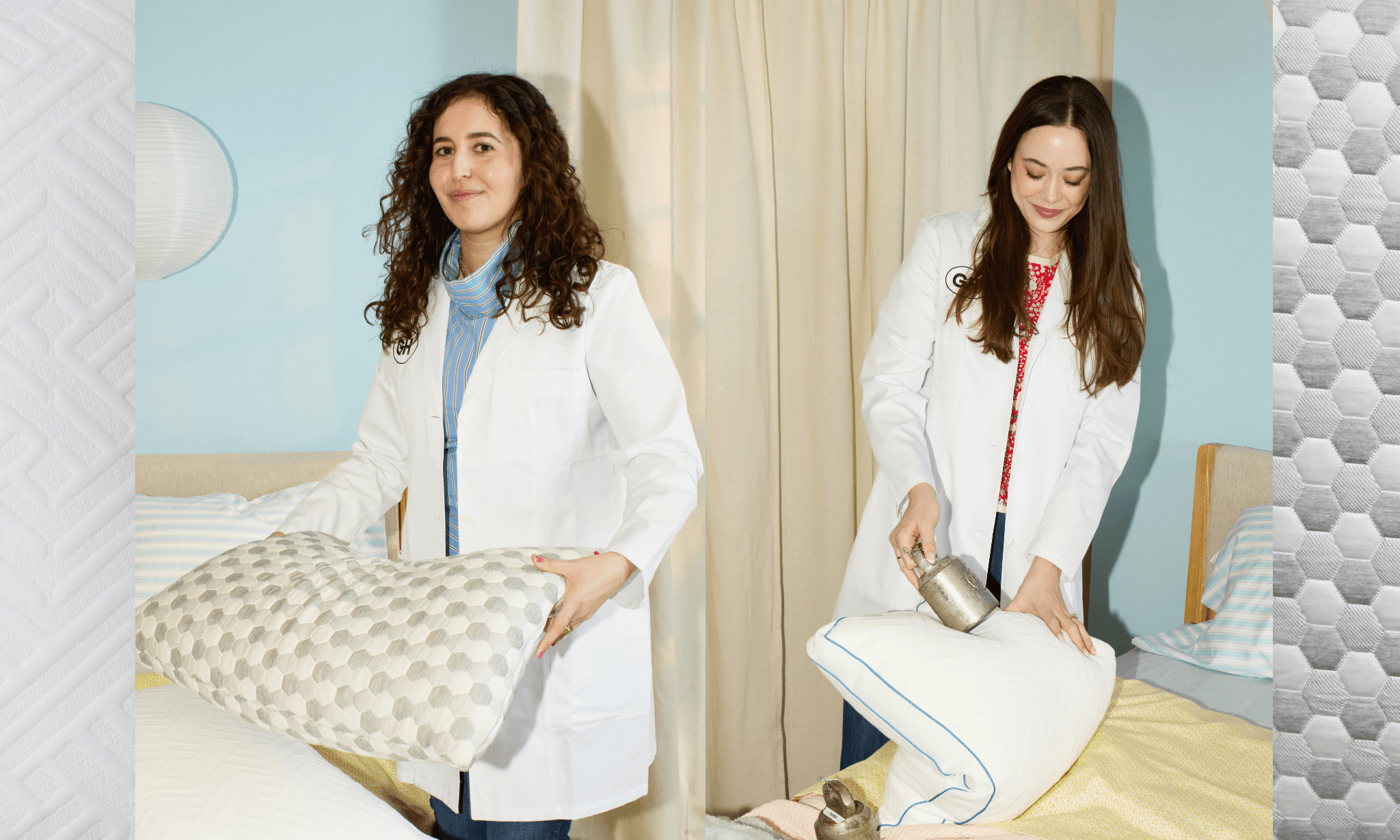
What We Looked for When Testing
Our testing process focused on several key factors that determine whether a pillow will actually deliver a comfortable, supportive night's sleep over the long term. Here's what we evaluated:
- Support and spinal alignment: We assessed whether each pillow kept the head and neck in a neutral position relative to the spine for each sleep position. This is the single most important factor in avoiding morning neck pain.
- Fill and firmness: From memory foam and latex to down, down alternative, and shredded fill blends, we tested pillows across the full firmness spectrum — soft, medium, and firm — to match different sleeping styles.
- Loft height: Loft refers to how tall or thick a pillow is. Side sleepers generally need higher loft to fill the gap between the shoulder and head, while stomach sleepers need very low loft to prevent neck strain.
- Temperature regulation: Hot sleepers need pillows with breathable materials and cooling technology. We paid close attention to whether each pillow retained heat or slept cool throughout the night.
- Durability: A great pillow should hold its shape night after night. We tested for how well each pillow bounced back after use and how quickly it showed signs of flattening or clumping.
- Value: Price matters. We made sure to include options at a wide range of price points so there's something for every budget without sacrificing quality.
Best Pillow for Side Sleepers
Side sleepers need a pillow with a higher loft and firm-to-medium support to keep the neck properly aligned with the spine. A pillow that's too flat will cause the head to dip toward the mattress, while one that's too thick pushes the head upward — both scenarios lead to neck strain. Our top pick for side sleepers offers a gusseted design with a plush but supportive fill that holds its shape even after hours of use. Look for options with adjustable fill so you can fine-tune the loft to your exact shoulder width.
Best Pillow for Back Sleepers
Back sleepers do best with a medium-loft pillow that cradles the natural curve of the neck without pushing the head too far forward. Memory foam and latex pillows are particularly well-suited here because they conform to the shape of your head and neck without collapsing. Our top recommendation for back sleepers features a contoured design that supports the cervical spine and keeps the airway open — a bonus for those who snore.
Best Pillow for Stomach Sleepers
Stomach sleeping is generally considered the hardest position to accommodate and the most likely to cause discomfort if you're using the wrong pillow. Because the head is turned to one side and the neck is already under strain, stomach sleepers need a very thin, soft pillow — or sometimes no pillow at all under the head. A low-loft pillow made from soft down or a compressible down alternative is usually the best choice. Some stomach sleepers also benefit from placing a thin pillow under the hips to relieve lower back pressure.
Best Pillow for Combination Sleepers
If you switch positions throughout the night, you need a pillow versatile enough to adapt. Shredded memory foam and adjustable fill pillows are ideal here because they can be molded and reshaped as you move. Our top pick for combination sleepers is moldable, responsive, and maintains a comfortable temperature throughout the night regardless of position.
How to Choose the Best Pillow for Your Budget
You don't have to spend a fortune to sleep well. Our testing revealed excellent options at every price point, from budget-friendly picks under $30 to premium pillows in the $150-plus range. Generally speaking, spending a bit more gets you better durability, superior materials, and more thoughtful construction — but several mid-range pillows in the $50 to $90 range performed impressively and represent strong value for most sleepers.
Final Thoughts: Sleep Better Starting Tonight
The best pillow is the one that lets you fall asleep quickly, stay asleep comfortably, and wake up without pain. With so many options on the market in 2026, the decision can feel overwhelming — but by focusing on your sleep position, desired firmness, temperature needs, and budget, you can narrow the field quickly. Our top nine picks span every category and sleep style, so no matter who you are or how you sleep, there's a pillow on this list that was made for you. Invest in your sleep and you'll feel the difference in every single aspect of your daily life.