
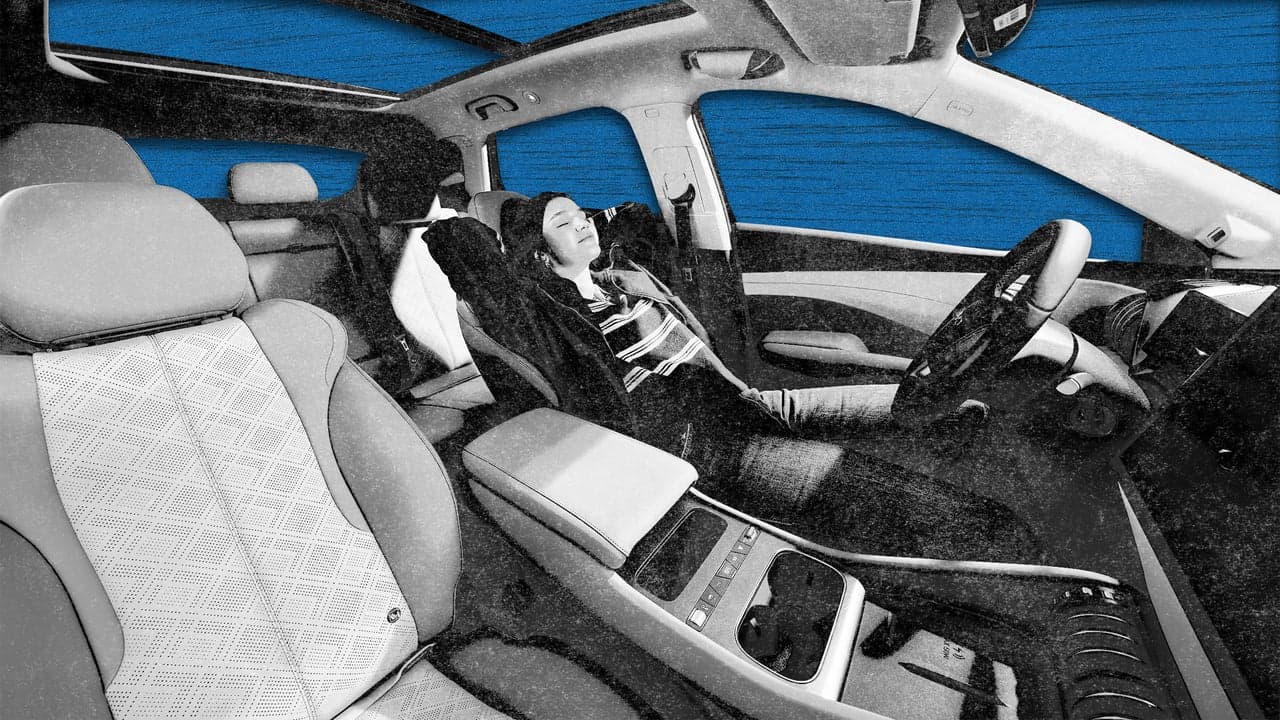
BYD Makes History: Full Financial Liability for Autonomous Driving Accidents
In a move that has sent shockwaves through the global automotive industry, Chinese electric vehicle giant BYD has done something no other automaker has ever dared to attempt: it has pledged to pay every single bill generated by an accident caused by its autonomous driving system. Repairs, medical costs, property damage — all of it, with no price ceiling, no fine print, and no attempt to shift blame onto the driver. This is not a marketing gimmick. This is BYD putting its money where its technology is, and the implications for the future of self-driving cars are enormous.
What Exactly Is BYD Promising?
BYD's pledge centers on its proprietary autonomous driving technology, known as God's Eye. This advanced driver-assistance and autonomous driving system is integrated across a growing range of BYD vehicles and is designed to handle complex driving scenarios, from intelligent parking to urban navigation on open roads (also referred to as NOA, or Navigate on Autopilot).
Under this new guarantee, if God's Eye causes an accident, BYD has committed to covering:
- All vehicle repair costs for any party involved
- Property damage expenses
- Medical costs for any injured individuals
The process is straightforward: BYD reviews the vehicle's system logs to determine whether the autonomous driving system was at fault. If it was, the company steps in and covers every expense until the financial impact of the accident has been fully resolved. No insurance claim. No years-long legal battle. No blame-shifting to the human sitting in the driver's seat.
This guarantee is currently valid for one year and is available exclusively within China. But even with those limitations, the announcement marks a pivotal moment for the autonomous driving industry globally.
Why This Is Such a Big Deal
To understand the significance of BYD's pledge, it helps to understand the liability landscape that has surrounded autonomous driving for years. One of the most persistent barriers to mainstream adoption of self-driving technology has been the murky question of who is responsible when something goes wrong. Is it the driver, who may have been sitting passively while the car operated itself? Is it the automaker, whose software made the fateful decision? Is it the sensor manufacturer? The software developer?
In most jurisdictions, this ambiguity has been a goldmine for lawyers and a nightmare for accident victims. Automakers have historically been extremely careful — some would say evasive — when it comes to formally accepting liability for the actions of their autonomous systems. Even Tesla, whose Full Self-Driving (FSD) technology has been the subject of intense regulatory scrutiny and numerous accident investigations, has consistently maintained that its system requires driver supervision and that ultimate responsibility lies with the human behind the wheel.
BYD is taking the opposite stance. By pledging unconditional financial responsibility, the company is effectively saying: we trust our technology enough to stake our finances on it. That is either an act of extraordinary confidence in God's Eye — or an extraordinarily bold business strategy. Almost certainly, it is both.
God's Eye: The Technology Behind the Bold Promise
God's Eye is BYD's in-house intelligent driving platform, developed to compete directly with systems like Tesla's FSD and various offerings from Chinese rivals such as Huawei, Xpeng, and NIO. The system uses a combination of cameras, radar, and ultrasonic sensors to perceive its environment, and it is powered by advanced artificial intelligence trained on vast amounts of real-world driving data collected from BYD's enormous and rapidly growing fleet.
BYD has made God's Eye a core part of its competitive identity. In a crowded EV market where battery range and charging speeds are increasingly similar across competitors, the quality of autonomous driving features has become a key differentiator. By not only promoting God's Eye's capabilities but also backing them with full financial liability, BYD is using safety accountability as a marketing advantage — a strategy that could force rivals to respond in kind.
What This Means for the Global Autonomous Driving Race
The timing of BYD's announcement is significant. Autonomous driving technology is advancing faster than the regulatory frameworks designed to govern it, particularly in Western markets. In the United States and Europe, debates over AV liability, insurance requirements, and safety standards are ongoing and often contentious. BYD's pledge, while currently limited to China, introduces a new benchmark that regulators, insurers, and competing automakers will struggle to ignore.
If God's Eye proves reliable and BYD's liability payouts remain manageable, other manufacturers will face mounting pressure to make similar commitments. Conversely, if the system generates frequent and costly claims, it will serve as a cautionary tale about the dangers of over-promising on autonomous technology. Either way, the autonomous driving industry is unlikely to look the same after this announcement.
A New Era of Accountability in Autonomous Driving
BYD's decision to accept full financial responsibility for accidents caused by its God's Eye system is more than a corporate policy update. It is a philosophical statement about where the burden of proof should lie when machines make decisions that affect human lives. For too long, the autonomous driving conversation has been dominated by breathless promises and carefully hedged disclaimers. BYD is breaking that pattern.
Whether this pledge expands beyond China, extends past its initial one-year window, or inspires competitors to follow suit remains to be seen. But for now, BYD has drawn a clear line in the road: if our technology causes harm, we will pay for it. Every last cent. That kind of accountability, in an industry that has long avoided it, is worth paying close attention to.