
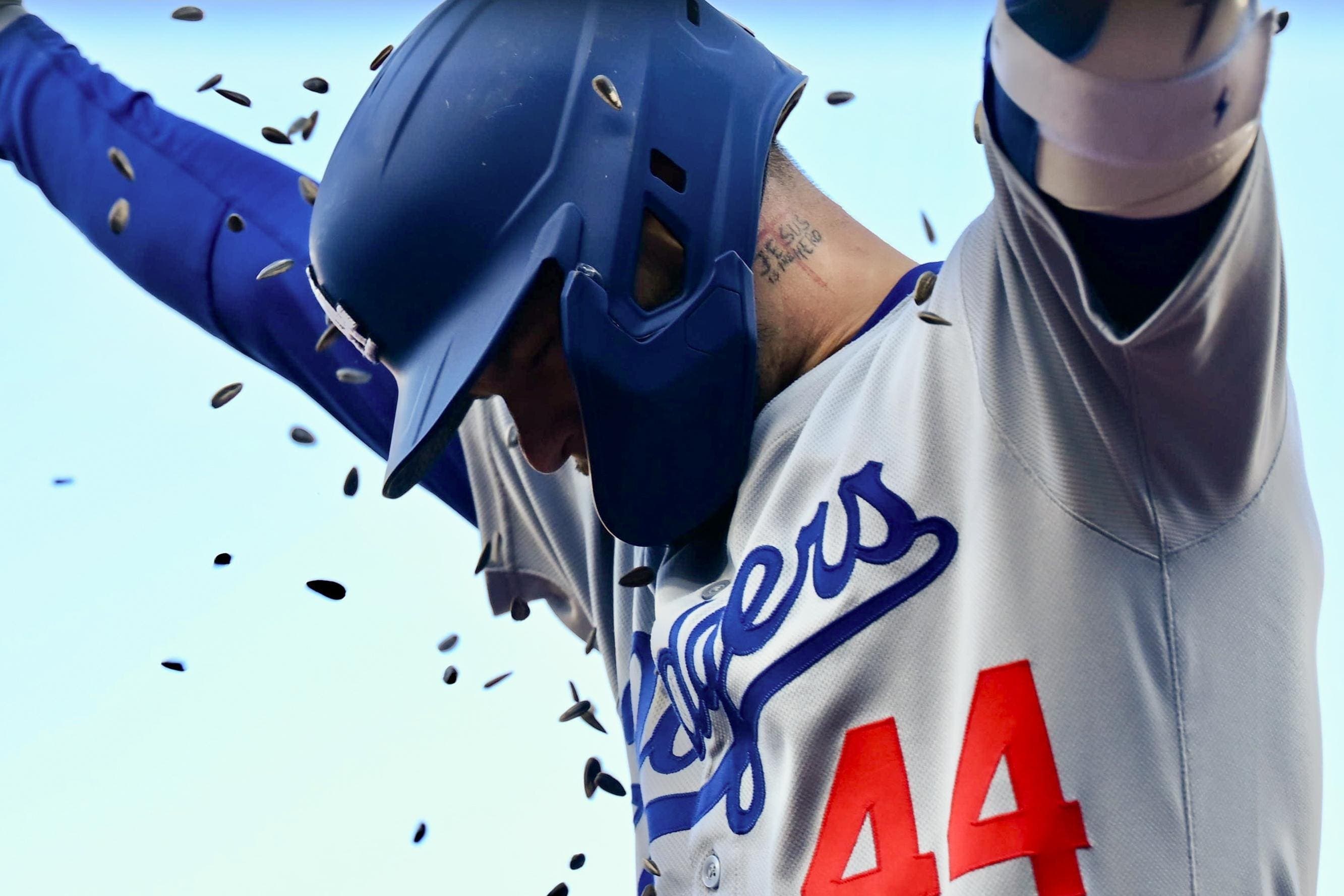
Dodgers Breakout Star Opens Up About Family Separation Under Trump's Executive Orders
In a moment of raw honesty that resonated far beyond the baseball diamond, the Los Angeles Dodgers' breakout star outfielder has broken his silence on a deeply personal matter — one that ties directly to the sweeping immigration and travel restrictions issued by President Donald Trump. The young outfielder, who has emerged as one of the most exciting players in Major League Baseball this season, revealed that Trump's executive orders are actively preventing his parents and sister from entering the United States, leaving him to carry the weight of that separation while performing at the highest level of professional sport.
His candid remarks have sparked a wave of conversation across the sports world and beyond, shining a spotlight on how broad federal immigration policies can deliver very personal consequences — even to celebrated athletes living the American Dream on one of baseball's most storied franchises.
A Breakout Season Shadowed by Personal Concern
The Dodgers outfielder has had every reason to celebrate in 2025. His performances at the plate and in the field have turned heads across the league, drawing comparisons to some of the game's most dynamic young stars. His emergence has helped fuel the Dodgers' championship ambitions and earned him recognition as one of the most compelling breakout stories of the current MLB season.
But behind the highlight-reel plays and the roar of the Dodger Stadium crowd, the outfielder has been quietly navigating a family crisis rooted in geopolitics. In speaking out, he described a genuine sense of "worry" — a word that, coming from someone who faces 95-mph fastballs for a living, carries considerable weight.
His family, including his parents and his sister, has been unable to travel to the United States due to restrictions tied to Trump's executive immigration orders. The policies, which have targeted nationals of several countries through sweeping travel limitations, have disrupted the lives of countless families, and now one of baseball's brightest rising stars has added his voice to that growing chorus of those personally affected.
What Trump's Executive Orders Mean for MLB Families
Since returning to the White House, President Trump has moved swiftly to reinstate and expand travel restrictions that were hallmarks of his first administration. These executive orders have barred or severely limited entry to the United States for nationals of a range of countries, citing national security concerns. The policies have faced legal challenges and public scrutiny, but have remained in effect in various forms, impacting millions of people worldwide.
For Major League Baseball, a sport deeply enriched by international talent, the real-world implications of such policies have become increasingly visible. Players from Latin America, Asia, Africa, and the Middle East make up a significant portion of MLB rosters, and many of them have family members living abroad who wish to attend games, celebrate milestones, or simply spend time with loved ones in the country where their sons, brothers, and husbands have built their careers.
The Dodgers outfielder's situation is a striking example of this broader tension. While he has earned the right to play, live, and work in the United States through his baseball talent, the same pathway is not available to his family members, who are subject to travel restrictions that exist entirely outside of his control.
The Human Cost Behind the Policy Headlines
What makes the outfielder's public statement so compelling is its simplicity and sincerity. There was no political grandstanding, no lengthy policy critique — just an honest expression of concern for the people he loves most. He acknowledged the difficulty of being thousands of miles away from his parents and sister, unable to share the highs of a breakout major league season with the family that helped shape him.
This kind of personal testimony often does more to humanize a policy debate than any expert analysis. When a celebrated athlete — someone whose face is on television screens and whose name fills stadium public address systems — says that a government order is keeping his family apart, it translates an abstract political argument into something immediate and human.
- His parents have been unable to attend any of his games this season due to the travel restrictions.
- His sister, too, has been barred from making the journey to the United States.
- The outfielder described carrying a persistent sense of "worry" despite his professional success.
- His remarks have drawn support from teammates, fans, and immigrant advocacy groups.
The Dodgers and a Legacy of International Inclusivity
The Los Angeles Dodgers have long been one of baseball's most internationally diverse franchises. From the historic breaking of the color barrier by Jackie Robinson to the signing of Japanese superstar Shohei Ohtani, the Dodgers have consistently been a team that reflects the full breadth of global baseball talent. The club's current roster is a testament to that tradition, featuring players from across Latin America, Asia, and beyond.
That culture of inclusivity makes the outfielder's situation feel especially poignant. Here is a player who has been embraced by one of the sport's great cities, only to find that the nation welcoming him cannot extend the same welcome to his own family. It is a contradiction that many immigrant athletes and workers across the United States know all too well.
Reactions From Fans, Teammates, and Advocates
The outfielder's comments have been met with an outpouring of support. Social media lit up in the hours following his statement, with fans expressing empathy and solidarity. Several immigration advocacy organizations highlighted his remarks as a real-world illustration of the human cost of broad travel bans. Fellow players, too, have quietly noted that his experience is not unique — others across the league face similar challenges in keeping families connected across borders tightened by policy.
The story has also reignited discussion about whether Major League Baseball, as an institution, should take a more active stance in advocating for the families of its international players. The league has previously weighed in on social and political issues, and some voices within the sport are calling for more direct engagement on immigration policy as it pertains to the livelihoods and personal wellbeing of players and their loved ones.
Looking Ahead: Baseball, Identity, and Belonging
As the 2025 MLB season continues, the Dodgers outfielder will almost certainly keep putting up the numbers that have made him one of the sport's most compelling stories. But his willingness to speak openly about the personal toll of Trump's immigration orders has added a dimension to his public profile that goes far beyond batting averages and defensive highlights.
He is now also a face of a much larger conversation — one about who belongs in America, who gets to witness their family member's success, and what the true cost of sweeping executive policy looks like when it lands not on a spreadsheet or a court filing, but in the daily life of a young man playing baseball in front of fifty thousand fans, wishing his parents could be in the stands to see it.
His courage in speaking out, at a time when many public figures shy away from political controversy, deserves recognition. And his story serves as a powerful reminder that behind every policy headline, there are real families, real emotions, and real people simply hoping to be together.