
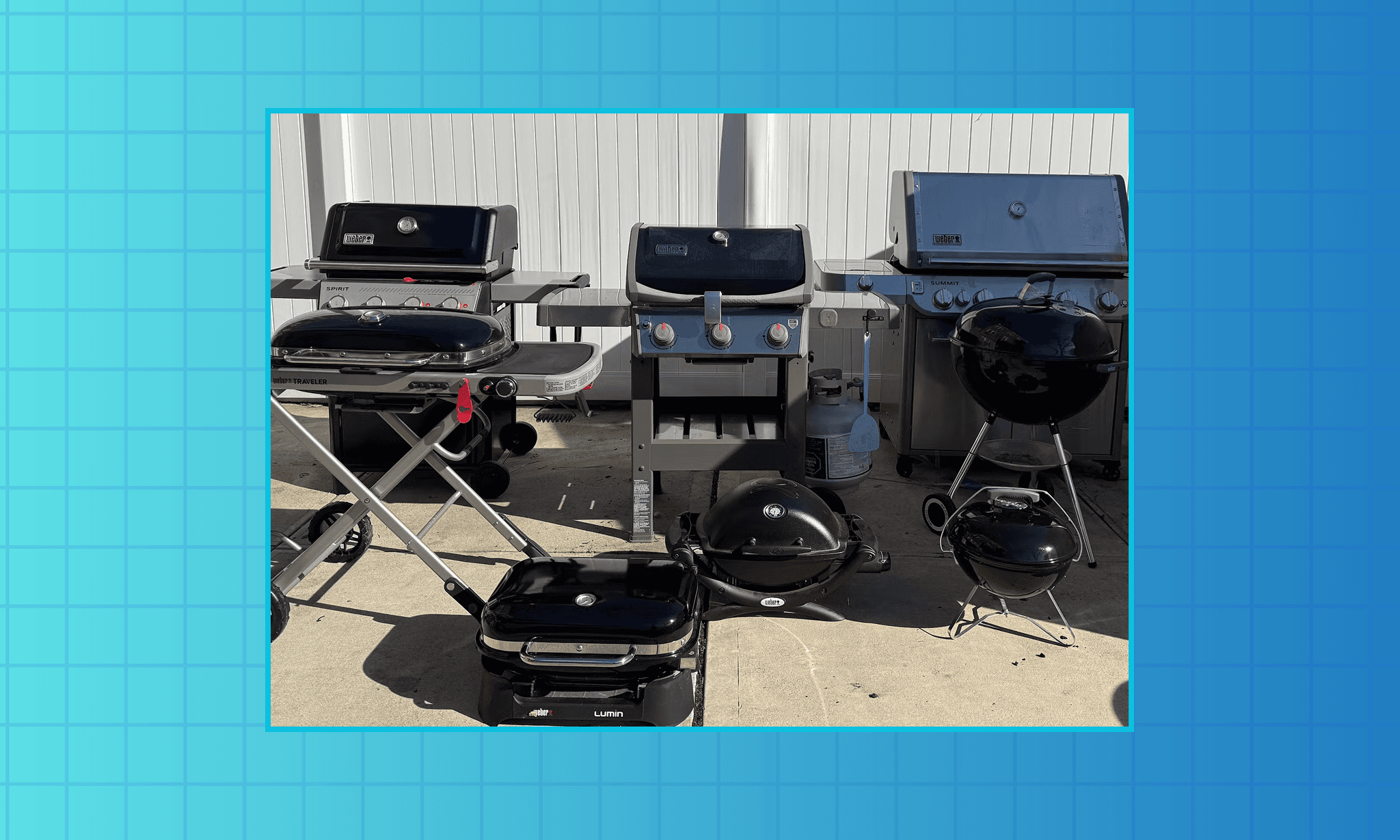
How to Choose the Right Grill for You
Shopping for a new grill can feel surprisingly overwhelming. Walk into any outdoor living store or scroll through a retailer's website and you'll quickly find yourself staring at dozens of options across wildly different price points, fuel types, and feature sets. The good news? Choosing the right grill doesn't have to be complicated — it just requires asking the right questions before you open your wallet. Drawing on wisdom from a grill expert who has personally tested more than 50 grills, this guide will walk you through everything you need to know to make a confident, well-informed decision.
Start With How You Actually Cook
Before you even think about price tags or brand names, take an honest look at your cooking habits. Do you grill a few burgers on a weeknight or do you spend entire Saturdays slow-cooking brisket for a crowd? Are you cooking for two people or twenty? Your answers will shape almost every decision that follows.
Weekend warriors who love long, low-and-slow cooks will have very different needs than someone who just wants to throw on some chicken breasts after work. There's no single best grill — there's only the best grill for your lifestyle. Keeping that framing in mind will save you from buying more grill than you need, or worse, one that falls short when it counts.
Understanding the Main Grill Types
The grill market breaks down into a handful of core categories, and understanding the trade-offs between them is the single most important step in the buying process.
Gas Grills
Gas grills — whether powered by propane or natural gas — are the most popular choice for American backyards, and for good reason. They heat up quickly, are easy to control, and require minimal cleanup. If convenience is your top priority, a gas grill is almost certainly the right move. Look for sturdy stainless steel construction, at least two burner zones for indirect cooking, and a lid thermometer. BTU ratings can be misleading, so focus on grate material and lid fit instead — those factors matter far more for cooking performance.
Charcoal Grills
Charcoal grills are beloved by purists for good reason: they produce a depth of smoky flavor that gas simply can't replicate. They also run hotter, which means better sear marks on steaks. The trade-offs are time and effort — you'll need 20 to 30 minutes to get the coals ready, and cleanup takes more work. Kettle-style charcoal grills remain a classic choice for their versatility, affordability, and ability to handle both direct and indirect cooking with ease.
Pellet Grills
Pellet grills have surged in popularity over the last several years, and for good reason. They offer the convenience of a gas grill with genuine wood-smoke flavor. An electric auger automatically feeds hardwood pellets into a firebox, maintaining precise temperatures with minimal intervention. They're ideal for low-and-slow BBQ — think ribs, pork shoulder, and brisket — but many modern pellet grills can also reach temperatures high enough for a decent sear. The main downsides are cost and the need for electricity.
Kamado Grills
Kamado-style grills, like the Big Green Egg, are ceramic cookers capable of an extraordinary temperature range — from low 200°F smoking all the way up to 700°F pizza-oven territory. They're efficient with charcoal, incredibly versatile, and built to last decades. The catch is weight (they are very heavy) and price (quality kamados are a significant investment). For serious backyard cooks who want one grill to do everything, though, a kamado is hard to beat.
Size Matters More Than You Think
Grill size is measured in square inches of cooking area, and it's one of the most practical considerations in the buying process. A grill with 400 to 500 square inches of primary cooking space is typically sufficient for most families of four to six people. Go too small and you'll find yourself cooking in frustrating batches. Go too large and you'll burn through more fuel than necessary and struggle to maintain even heat across the grate. Measure your outdoor space before purchasing, too — a grill that doesn't fit comfortably on your patio is a grill you'll resent.
Build Quality and Longevity
A well-built grill is a long-term investment. When evaluating build quality, pay close attention to the thickness of the metal, the quality of the grate (cast iron holds heat better than thin steel), the tightness of the lid seal, and the stability of the cart or base. Porcelain-coated cast iron grates are generally a sign of a quality product. Avoid grills with wobbly legs, flimsy knobs, or loose-fitting lids — these are indicators of corners being cut during manufacturing.
Set a Realistic Budget
You don't need to spend a fortune to get a great grill, but buying the cheapest option available usually means replacing it within a couple of seasons. As a general rule, entry-level gas grills in the $200 to $400 range will serve casual cooks well. Mid-range models between $400 and $800 offer significantly better construction and more consistent performance. Premium grills above $800 — and up into the thousands — deliver best-in-class results for dedicated outdoor cooking enthusiasts. Set a budget, then aim for the best-built option within it.
Final Tips Before You Buy
- Read real user reviews, not just professional ones. Long-term owners will tell you about durability issues that don't show up in short-term tests.
- Check for replacement parts availability. A grill that can't be repaired is a grill you'll eventually throw away.
- Think about accessories. A rotisserie kit, side burner, or smoker box can extend what a grill can do — factor in whether those matter to you.
- Consider weather. If you live somewhere with harsh winters, stainless steel and a quality grill cover are worth the extra investment.
Choosing the right grill comes down to aligning the grill's strengths with your actual cooking needs, outdoor space, and budget. Take your time, do your homework, and you'll end up with something you'll use — and love — for years to come.