
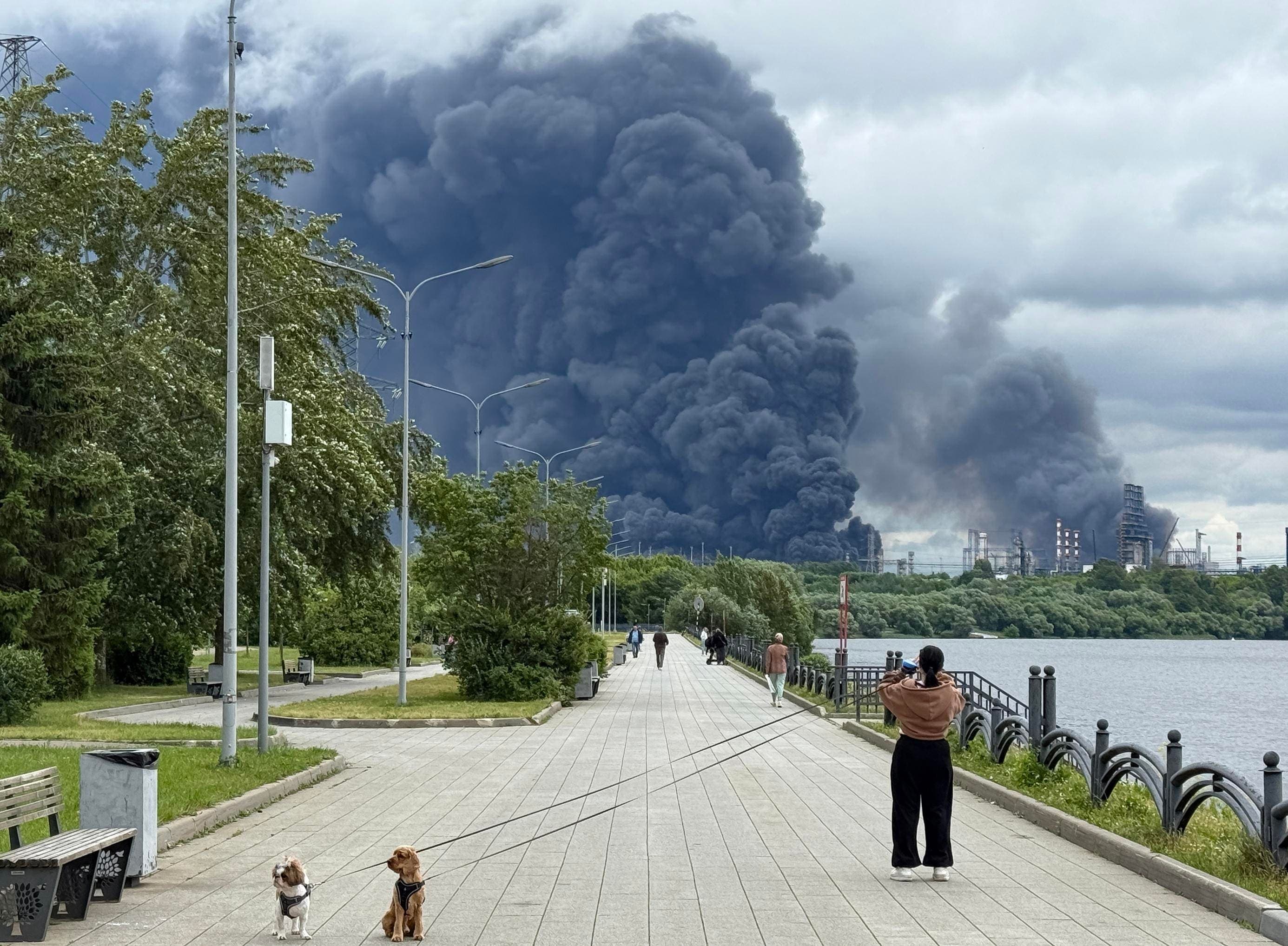
Russia's War on Ukraine: Day 1577 — Thursday, June 18, 2025
More than four years have passed since Russia launched its full-scale invasion of Ukraine on February 24, 2022. As the conflict enters Day 1577, the war continues to exact a devastating toll on Ukrainian civilians, military personnel, and the broader geopolitical landscape of Europe. Thursday, June 18, 2025 brings yet another chapter in one of the most consequential conflicts of the twenty-first century — a war that shows no sign of a swift resolution despite ongoing international diplomatic pressure and continued military aid to Kyiv.
This dispatch compiles the most critical developments from the frontlines, the humanitarian corridors, the halls of government, and the international community as of June 18, 2025.
Frontline Situation: Ongoing Pressure Across Multiple Sectors
Ukrainian and Russian forces continued to engage across several active sectors of the front as of Thursday. The eastern and southern fronts remain the most contested, with fighting continuing in the Donetsk region where Russia has maintained a sustained offensive push for well over a year. Ukrainian defenders have repeatedly demonstrated resilience in these areas, utilizing drone warfare, artillery coordination, and fortified defensive lines to slow Russian advances.
In the Zaporizhzhia region, Ukrainian forces have continued efforts to probe Russian defensive positions, while the situation along the Kherson axis remains dynamic, with both sides conducting cross-river operations and artillery exchanges along the Dnipro River line.
Drone warfare continues to play a defining role in this conflict. Both sides have intensified the use of first-person view (FPV) drones, long-range strike drones, and electronic warfare systems. Ukraine's domestic drone production, significantly ramped up over the past eighteen months, has become a critical equalizer on the battlefield, allowing Ukrainian forces to strike supply lines, ammunition depots, and command positions deep within Russian-held territory.
Russian Strikes on Ukrainian Cities and Infrastructure
Russia's campaign of strategic bombardment against Ukrainian cities and civilian infrastructure has continued without pause into the 1,577th day of the war. Russian forces have persistently targeted power generation facilities, water treatment plants, heating infrastructure, and residential areas across Ukraine — a deliberate strategy aimed at breaking civilian morale and undermining the country's ability to sustain its war effort.
Ukrainian air defense forces, bolstered by Western-supplied Patriot missile systems, IRIS-T batteries, and NASAMS platforms, have continued to intercept a significant proportion of incoming Russian missiles and Shahed-series drones. However, the sheer volume of Russian strikes means that some attacks continue to break through, causing civilian casualties and infrastructure damage.
The humanitarian consequences of these attacks remain severe. Millions of Ukrainians continue to live under the constant threat of aerial bombardment, and large portions of the country still experience rolling power outages and disrupted essential services as a result of sustained Russian targeting of the energy grid over the past several winters.
International Support and Diplomatic Developments
Western support for Ukraine has remained one of the defining geopolitical narratives of the post-2022 international order. As of June 2025, the United States, European Union member states, the United Kingdom, and a coalition of allied nations have collectively delivered hundreds of billions of dollars in military, financial, and humanitarian assistance to Ukraine.
Key areas of continued international support include:
- Military aid: Ongoing deliveries of artillery ammunition, air defense interceptors, armored vehicles, and long-range strike systems continue to flow into Ukraine from Western partners.
- Financial assistance: The European Union and International Monetary Fund have maintained financial support packages to help stabilize Ukraine's wartime economy and government operations.
- Reconstruction commitments: International pledges toward Ukraine's eventual reconstruction have grown, with donor conferences mapping out long-term frameworks for rebuilding damaged cities and infrastructure.
- Sanctions pressure: Western nations continue to expand and enforce sanctions regimes targeting Russian financial institutions, energy exports, and defense-related industries.
Diplomatic efforts toward a negotiated settlement remain deeply complicated. Ukraine has consistently maintained that any peace agreement must include the full withdrawal of Russian forces from all occupied Ukrainian territory, including Crimea, and provide credible security guarantees against future aggression. Russia, for its part, has shown no willingness to relinquish territorial gains made since 2022. This fundamental impasse continues to make a near-term ceasefire politically elusive.
The Human Cost: Civilians, Refugees, and Casualties
The human cost of this war remains staggering. The United Nations and various humanitarian organizations have documented tens of thousands of civilian deaths, with many more wounded. Millions of Ukrainians remain displaced, with a significant number having fled to EU member states as refugees. Internally displaced persons within Ukraine number in the millions as well, many of them living in temporary accommodations far from their home regions.
Ukrainian military casualties have also been significant, though exact figures remain difficult to independently verify due to wartime information restrictions on both sides. Russia has similarly sustained substantial losses in personnel and military equipment — figures that independent analysts and Western intelligence agencies have estimated to be among the highest experienced by any military force in decades.
Ukraine's Resilience and the Long Road Ahead
Despite the enormous pressures of nearly four and a half years of full-scale war, Ukraine continues to function as a democratic state. Elections, civil society activities, cultural life, and economic activity persist even as the front rages. The Ukrainian spirit of resistance — so widely noted in the early days of the invasion — has settled into something quieter but no less determined: a sustained national will to endure, to fight, and ultimately to prevail.
As Day 1577 passes, the international community continues to watch, support, and grapple with the implications of a conflict that has reshaped European security architecture, tested the unity of Western alliances, and reminded the world of the devastating human cost of unchecked territorial aggression. The dispatches from Ukraine continue — and the world continues to listen.