
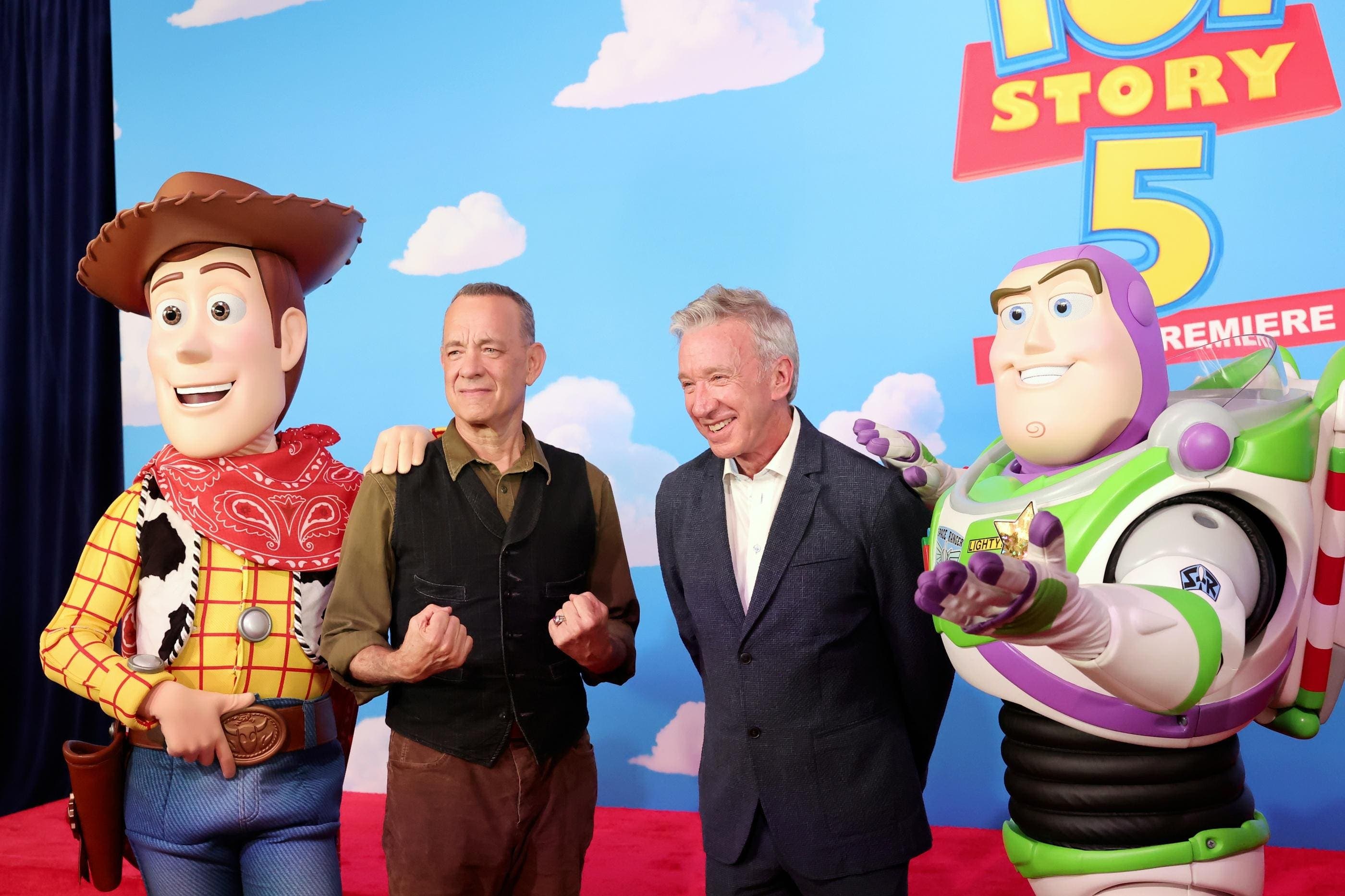
Toy Story 5 Breaks Pixar's 31-Year G-Rating Tradition
For more than three decades, Pixar Animation Studios maintained one of the most quietly remarkable streaks in Hollywood history. Every single entry in the Toy Story franchise — from the original 1995 groundbreaker to 2019's emotional Toy Story 4 — earned a G rating from the Motion Picture Association. That is, General Audiences: all ages admitted, no parental guidance suggested. Five films. Thirty-one years. One unbroken rating. And now, with Toy Story 5, that tradition is officially over.
It may sound like a minor footnote in the grand story of one of cinema's most beloved franchises. But for fans who grew up with Woody, Buzz, and the gang, this shift carries more weight than a simple content label might suggest. It raises questions about tone, storytelling ambition, and where Pixar plans to take its flagship series next.
What Made the G-Rating Streak So Remarkable
In the modern landscape of animated filmmaking, G ratings have become increasingly rare. Studios frequently opt for PG ratings — not necessarily because their films contain significantly more mature content, but because a PG label is often perceived as signaling a more sophisticated, cinematic experience. A G rating, by contrast, can sometimes carry an unfair stigma of being overly simplistic or purely aimed at very young children.
Pixar resisted that perception for decades. The original Toy Story was rated G in 1995 and still managed to speak profoundly to adults grappling with obsolescence, identity, and the passage of time. Toy Story 2 deepened those themes with meditations on purpose and the fear of being forgotten. Toy Story 3 — widely regarded as one of the finest animated films ever made — delivered a devastating exploration of growing up and letting go, all under the G banner. Even Toy Story 4, which tackled questions of self-worth and independence, stayed firmly within that rating.
The fact that Pixar consistently achieved such emotional depth and narrative complexity while maintaining a G rating was, in retrospect, an extraordinary creative feat. It demonstrated that the rating itself was never a creative ceiling — it was simply a label that the studio's storytelling regularly transcended.
Why Toy Story 5 Is Different
So what changed? While full details about Toy Story 5's plot and tone are still emerging, the shift away from a G rating strongly suggests that Pixar has made a deliberate creative decision to take the story in a direction that feels meaningfully more mature — at least by the MPA's standards. A PG rating typically indicates mild thematic elements, some action, or brief language that parents might want to be aware of before bringing very young children to the theater.
This doesn't mean Toy Story 5 is suddenly veering into dark or inappropriate territory. Pixar has always been a studio that respects its audience of all ages, and there's every reason to believe that remains true here. But the rating change does signal that the filmmakers are willing to push into emotional or narrative spaces that perhaps feel a touch edgier, more complex, or more tonally varied than what came before.
A Franchise Growing Up With Its Audience
There's a poetic logic to this evolution. The children who watched Woody and Buzz blast off for the first time in 1995 are now adults in their thirties and forties. Many of them are parents themselves, bringing their own children to see the same characters they loved. Toy Story 3 famously tapped into that generational handoff with devastating effectiveness. It's possible — even likely — that Toy Story 5 is designed to speak even more directly to that grown-up audience, exploring themes that resonate with people who have lived a few more decades of life.
If so, a PG rating is a natural companion to that ambition. It gives filmmakers a slightly wider canvas without alienating the core family audience that has always been the franchise's heartbeat.
What This Means for Pixar's Legacy
Pixar's Toy Story series has never been just an animated franchise. It has been a cultural institution — a shared emotional language for multiple generations of moviegoers. The G-rating streak was a small but meaningful part of that identity, a quiet signal that these films were for absolutely everyone, with no asterisks attached.
Ending that streak is not necessarily a loss. In fact, it could be read as a sign of confidence — a studio and a creative team willing to follow the story wherever it honestly needs to go, even if that means accepting a different content label along the way. Great storytelling has always mattered more to Pixar than maintaining any particular aesthetic or ratings tradition.
The Bigger Picture for Animation Ratings
It's also worth noting that Toy Story 5's rating shift fits into a broader trend in animation. Modern animated films increasingly embrace complex emotional subject matter, morally nuanced characters, and themes that genuinely challenge younger viewers. Studios like Pixar, DreamWorks, and Sony Animation have all leaned into this approach, recognizing that animation is a medium capable of delivering the full range of human experience — not just simple, uncomplicated joy.
- Emotional complexity: Today's animated films regularly explore grief, identity, failure, and existential uncertainty in ways that resonate across age groups.
- Visual sophistication: Higher production values and more cinematic storytelling styles naturally invite more layered narratives.
- Multigenerational appeal: Studios know that the adults in the room are just as important an audience as the children, and they craft stories accordingly.
Final Thoughts: The End of One Era, the Beginning of Another
Thirty-one years is a long time to hold any streak in Hollywood. The fact that Toy Story maintained its G-rating run across five films and multiple generations of filmmakers is a testament to the care and intentionality that has always defined Pixar at its best. That run ending with Toy Story 5 is not a cause for alarm — it is, if anything, a sign that the franchise still has somewhere new and honest to go.
Whether Toy Story 5 ultimately proves to be a worthy continuation of one of cinema's greatest series remains to be seen. But one thing is already clear: Pixar isn't resting on tradition. After 31 years, the toys are still surprising us. And that, more than any rating, is worth celebrating.