
Why Your Lawn Needs a Dethatcher
If your lawn looks dull, patchy, or struggles to absorb water and fertilizer properly, thatch buildup could be the culprit. Thatch is the layer of dead grass, roots, and organic debris that accumulates between the soil surface and the green blades of grass above it. A thin layer of thatch — about half an inch — is actually beneficial because it acts as a natural mulch. But when it exceeds that thickness, it becomes a barrier that chokes your lawn, trapping moisture and creating a breeding ground for pests and disease.
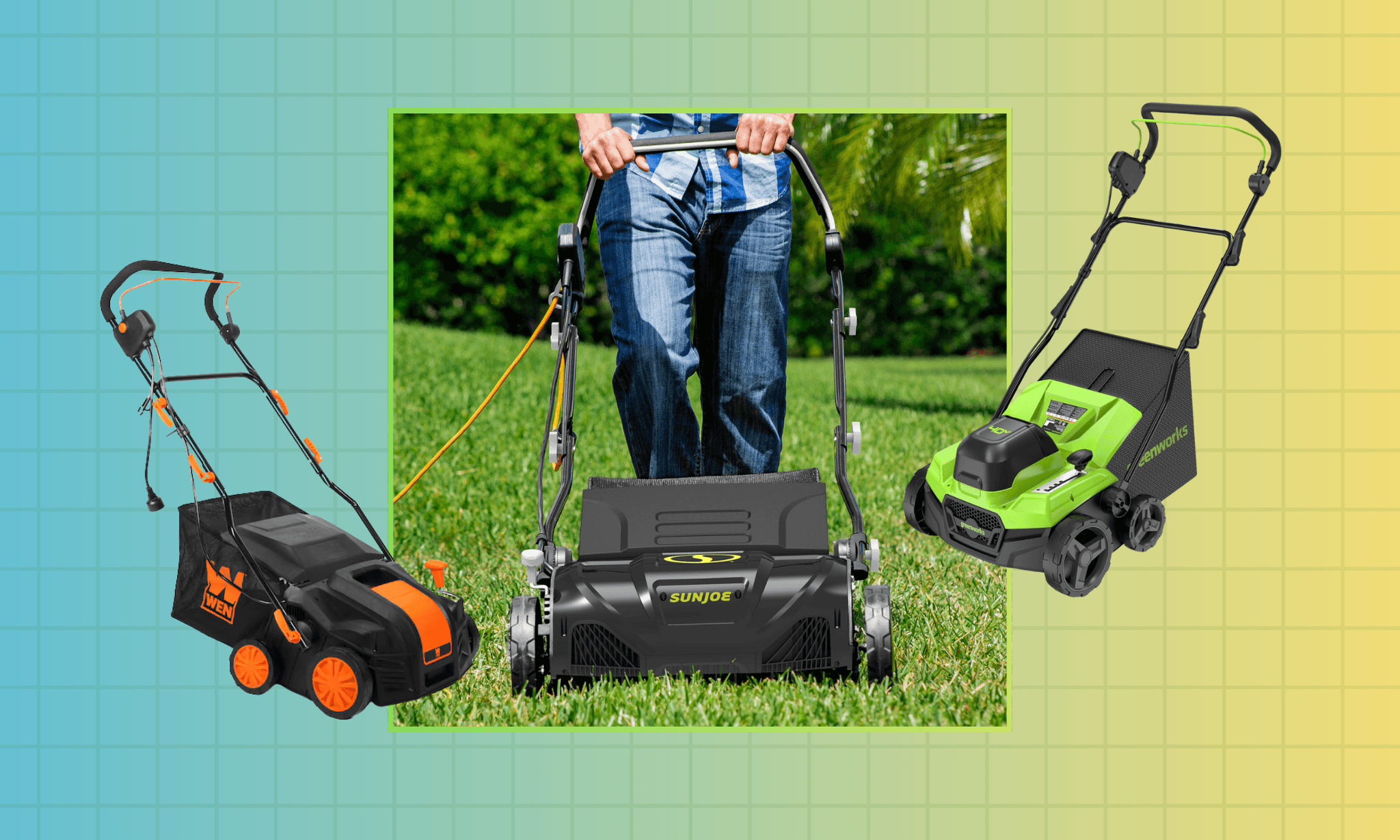
That is where the best dethatchers come in. These tools — whether manual, electric, or gas-powered — are specifically designed to cut through and pull up that stubborn layer of thatch, allowing air, water, and nutrients to reach the root zone once again. The result is a thicker, greener, and far healthier lawn. Whether you are a weekend lawn warrior or a serious outdoor enthusiast, choosing the right dethatcher can make a noticeable difference in your yard's appearance and long-term vitality.
What Is Thatch and How Does It Build Up?
Thatch forms naturally as a byproduct of normal lawn growth. Grass plants continuously produce new organic matter — stems, roots, and leaves — and when this organic matter accumulates faster than soil microbes can break it down, thatch builds up. Certain grass types, like Kentucky bluegrass and Bermuda grass, are especially prone to heavy thatch formation. Overwatering, excessive nitrogen fertilization, and compacted soils can all accelerate the process.
You can check your thatch thickness by cutting a small plug of turf about two to three inches deep. If the spongy brown layer between the grass and the soil is thicker than half an inch, it is time to dethatch. Doing so at the right time of year — typically early spring or early fall, depending on whether you have cool-season or warm-season grass — will give your lawn the best chance to recover quickly and grow back stronger.
Types of Dethatchers: Which One Is Right for You?
Manual Dethatching Rakes
Manual dethatching rakes are the most affordable and accessible option for homeowners with small yards. These rakes feature sharp, curved tines designed to dig into the thatch layer and pull it to the surface as you rake. They require physical effort and are best suited for light thatch buildup or lawns under 1,000 square feet. The upside is that they are inexpensive, easy to store, and require no electricity or fuel. For occasional maintenance dethatching, a quality manual rake gets the job done without any hassle.
Electric Dethatchers and Power Rakes
Electric dethatchers are a significant step up in power and efficiency. Plug-in or battery-powered models use rotating tines or blades to cut through thatch quickly and systematically. They are ideal for medium-sized lawns and can handle moderate to heavy thatch buildup with far less physical effort than a manual rake. Cordless battery-powered dethatchers offer added convenience and mobility, making them a popular choice among homeowners who already invest in a battery-powered lawn care ecosystem. Many electric models also come with adjustable depth settings, allowing you to customize how aggressively the machine works through your specific thatch situation.
Gas-Powered Dethatchers
For large properties or heavily thatched lawns, gas-powered dethatchers — also called power rakes or scarifiers — deliver the most aggressive and thorough results. These machines are self-propelled in many cases, reducing operator fatigue, and they can tackle dense thatch across wide areas in a fraction of the time it would take with electric or manual alternatives. Gas-powered models are a favorite among professional landscapers and serious lawn care enthusiasts for good reason: they are durable, powerful, and built for sustained heavy-duty use. The trade-off is higher cost, maintenance requirements, and noise compared to their electric counterparts.
Key Features to Look for in the Best Dethatchers
- Tine or blade quality: Look for hardened steel tines or blades that can cut through tough thatch without bending or dulling quickly. The durability of the cutting components directly affects how effective and long-lasting your dethatcher will be.
- Adjustable depth settings: The ability to control how deep the tines penetrate the soil is essential for avoiding damage to your grass roots while still removing thatch effectively. Most quality dethatchers offer at least two or three depth settings.
- Working width: A wider working width means fewer passes across your lawn and more efficiency. For large yards, look for models with a working width of at least 14 to 16 inches.
- Collection bag or bin: Some dethatchers come with an integrated collection system that gathers loosened thatch as you work, saving you the extra step of raking it up afterward.
- Ease of storage and transport: Foldable handles, compact designs, and manageable weights make dethatchers easier to store in a garage or shed and transport between areas of your property.
How to Dethatch Your Lawn the Right Way
Timing is everything when it comes to dethatching. For cool-season grasses such as fescue, ryegrass, and bluegrass, the best time to dethatch is in early fall when the grass is actively growing and can recover before winter. For warm-season grasses such as Bermuda, zoysia, or St. Augustine, late spring through early summer is ideal. Avoid dethatching during periods of drought, extreme heat, or when your lawn is stressed, as this can cause serious damage.
Before you start, mow your lawn slightly shorter than usual and water it one to two days beforehand so the soil is moist but not waterlogged. After dethatching, rake up all the debris, apply a round of fertilizer, and water thoroughly to help the lawn recover. Overseeding bare or thin patches immediately after dethatching is also a great opportunity to fill in your lawn and encourage denser growth.
Final Thoughts: Invest in Your Lawn's Long-Term Health
Dethatching is one of those lawn care tasks that is easy to overlook until the signs of thatch damage become impossible to ignore. The good news is that with the right dethatcher and a consistent maintenance schedule, keeping thatch under control is straightforward and deeply rewarding. A lawn free of excessive thatch breathes better, absorbs water more efficiently, responds better to fertilization, and simply looks more lush and vibrant throughout the growing season.
Whether you opt for a simple manual rake for a small yard or invest in a robust gas-powered machine for a sprawling property, the best dethatchers are the ones that match your specific lawn size, grass type, and thatch situation. Use the expert-backed recommendations in this guide as your starting point, and give your lawn the deep refresh it deserves.