
Why Cleaning Your Grill Is More Important Than You Think
Most people fire up the grill, cook a great meal, and then close the lid without a second thought. But skipping regular grill maintenance is one of the most common mistakes backyard cooks make. A dirty grill doesn't just look bad — it can affect the flavor of your food, create fire hazards from grease buildup, and dramatically shorten the lifespan of a grill that likely cost you a few hundred dollars or more. Learning how to clean a grill the right way is one of the smartest investments you can make in your outdoor cooking experience.
Whether you're working with a gas grill or a classic charcoal model, the cleaning process differs in a few important ways. This guide walks you through everything you need to know, from quick post-cookout wipe-downs to deep seasonal cleanings that will keep your grill performing like new for years to come.
What You'll Need Before You Start
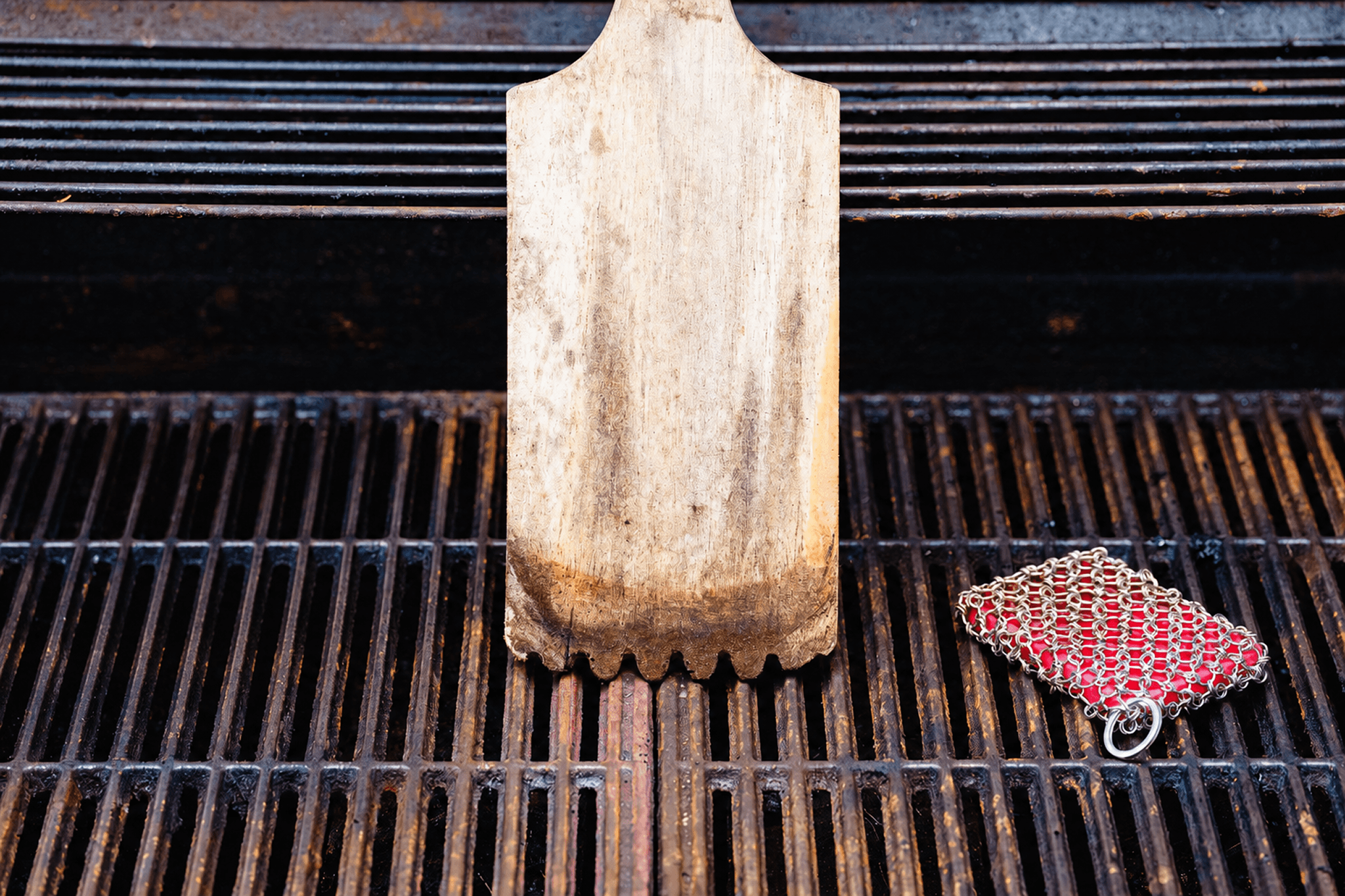
Having the right tools on hand makes grill cleaning much faster and more effective. Before you begin, gather the following supplies:
- A stiff-bristled grill brush or grill cleaning stone
- Dish soap or a dedicated grill cleaner
- Warm water and a bucket or spray bottle
- Paper towels or clean rags
- A putty knife or scraper for stubborn buildup
- Rubber gloves to protect your hands
- Aluminum foil (optional, but useful)
- Cooking oil or grill spray for seasoning the grates afterward
Avoid using wire brushes with loose bristles, as there have been documented cases of loose wires ending up in food. Opt for a coil-style brush, a bristle-free grill brush, or a grill cleaning stone instead.
How to Clean a Gas Grill Step by Step
Gas grills require a bit more attention due to their burner system and multiple removable components. Here's how to do it properly.
Step 1: Preheat to Burn Off Residue
Turn all burners to high heat and close the lid. Let the grill run for 10 to 15 minutes. This burns off food residue stuck to the grates, making it much easier to brush away. Once the residue has turned to ash, turn off the burners and let the grill cool to a safe handling temperature — warm but not hot.
Step 2: Scrub the Grates
Using your grill brush, scrub the grates thoroughly while they're still warm. This is when residue comes off most easily. Scrub in the direction of the grate rods, applying firm pressure. For cast iron grates, avoid soaking them in water — instead, use a dry brush and a light coating of oil after cleaning to prevent rust.
Step 3: Remove and Clean the Burner Protectors and Burners
Once the grill is fully cool, remove the grates and set them aside. Take out the burner protectors (also called flame tamers or heat deflectors) and scrub them with warm, soapy water. Check your burners for clogs in the burner ports — spider webs and grease deposits are common culprits. Use a pipe cleaner or toothpick to clear any blocked ports, and never use water to clean the burners directly.
Step 4: Clean the Interior and Grease Tray
Use a putty knife or scraper to loosen any grease buildup from the interior walls and bottom of the grill. Wipe everything down with soapy water and a rag. Don't forget to remove and empty the grease tray or drip pan — this is a major fire hazard if left to overflow. Wash it with dish soap and hot water, then replace it.
Step 5: Wipe Down the Exterior
Use a damp cloth and a small amount of dish soap to wipe down the outside of your grill. For stainless steel surfaces, wipe in the direction of the grain to avoid scratching. Avoid abrasive cleaners that can damage the finish.
How to Clean a Charcoal Grill Step by Step
Charcoal grills have fewer components but still require regular attention to stay in top condition.
Step 1: Remove Old Ash
Wait until the grill is completely cool and all coals are fully extinguished — this can take up to 48 hours after a long cook. Never remove ash while it's still warm. Once cool, use a scoop or ash tool to remove ash from the bottom bowl. Dispose of it in a metal container, never plastic, as embers can smolder undetected.
Step 2: Scrub the Grates
Remove the cooking grate and scrub it vigorously with a grill brush and warm soapy water. Rinse well and allow it to dry completely before reassembling. As with gas grill grates, cast iron versions should be dried immediately and lightly oiled.
Step 3: Clean the Bowl and Lid
Use a scraper and soapy water to clean the interior of the bowl and the inside of the lid. Built-up carbon on the lid can flake off into your food if left unaddressed. Rinse thoroughly and dry completely to prevent rust.
How Often Should You Clean Your Grill?
For best results, give your grates a quick brush before and after every use. A more thorough cleaning of the interior components should happen every few cookouts, or at least once a month during grilling season. A full deep clean — including burners, grease trays, and the exterior — should be done at least twice a year: once at the start of grilling season and once before you put the grill away for winter.
Pro Tips for Maintaining a Clean Grill Longer
- Always preheat your grill before cooking — it helps prevent food from sticking and makes post-cook cleanup faster.
- Oil your grates lightly before each use to create a natural non-stick barrier.
- Use a grill cover when the grill isn't in use to keep out moisture, insects, and debris.
- Line your drip tray with aluminum foil for easier cleanup — just swap out the foil after each session.
- Inspect your grill regularly for rust, damaged grates, or worn burner components and replace them promptly.
A Clean Grill Is a Better Grill
Taking the time to clean your grill isn't just about appearances. It means safer cooking, better-tasting food, and a grill that will serve you faithfully for many seasons to come. Whether you're a weekend warrior with a charcoal kettle or a serious backyard chef with a multi-burner gas setup, the principles are the same: clean consistently, clean thoroughly, and never let grease and buildup go ignored. With the steps outlined in this guide, you now have everything you need to keep your grill in peak condition — no matter what you're cooking up next.