
Google's Gemini in Chrome Is Going Global: Latin America, Middle East, and Africa Are Next
Google's ambition to bring artificial intelligence directly into everyday browsing just took a significant leap forward. Gemini in Chrome, the AI-powered assistant deeply integrated into Google's flagship browser, is continuing its global rollout and has now officially landed in Latin America, the Middle East, and Africa. For hundreds of millions of Chrome users across these regions, the way they search, read, and interact with web content is about to change in meaningful ways.
This expansion marks one of the broadest geographic pushes for a major AI browser feature to date, and it signals just how serious Google is about making Gemini a universal tool rather than a privilege reserved for users in a handful of Western markets.
What Is Gemini in Chrome?
Before diving into the significance of this rollout, it helps to understand exactly what Gemini in Chrome does. Gemini is Google's family of large language models, and its integration into Chrome allows users to interact with AI directly from their browser — no separate app, no switching tabs, no additional sign-in.
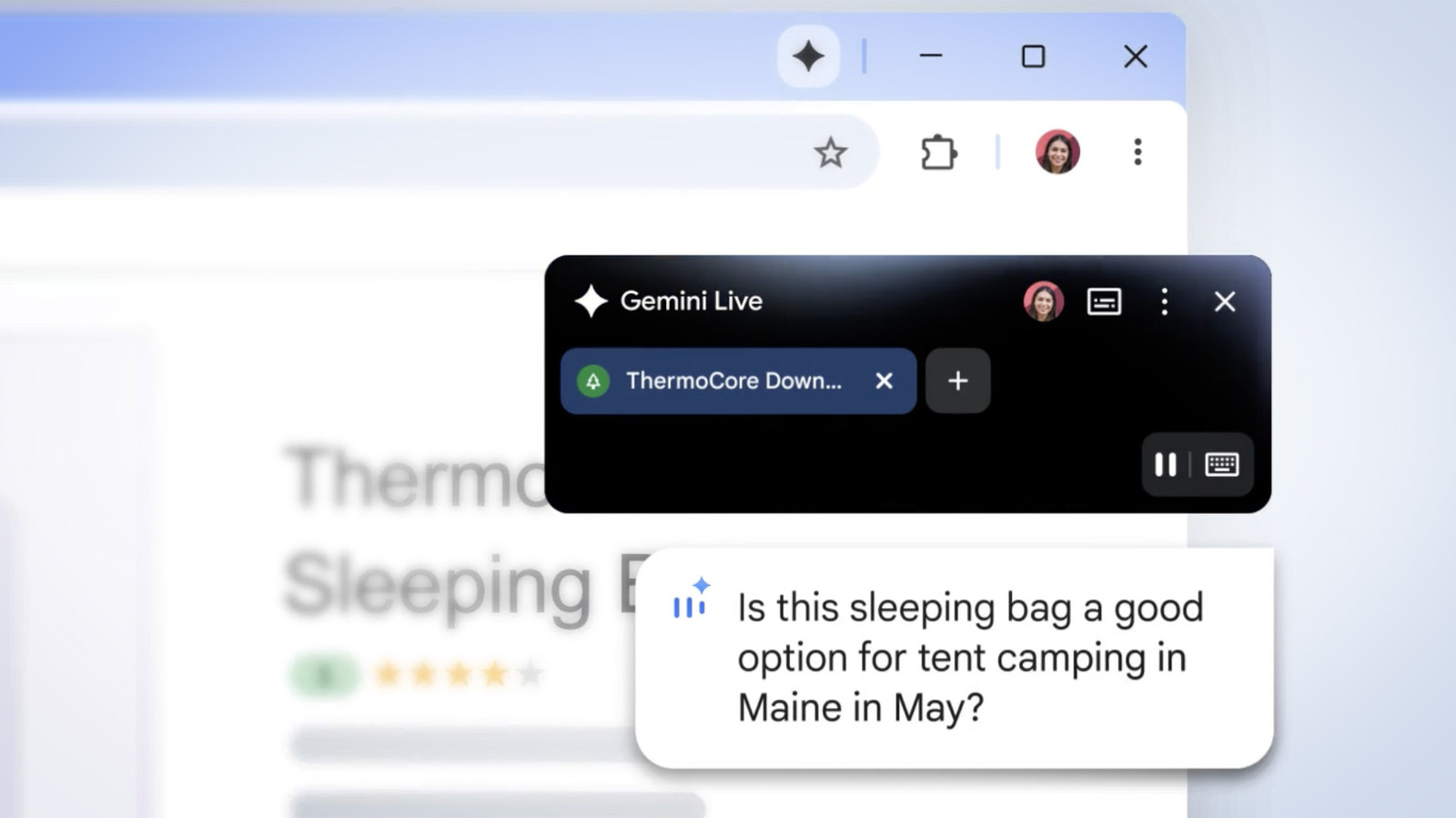
With Gemini built into Chrome, users can ask questions about the content of the page they are currently viewing, get quick summaries of long articles, draft text, and receive contextual answers based on what is on their screen. It functions as an intelligent co-pilot for the web, helping users digest information faster and accomplish tasks more efficiently without ever leaving their browser window.
The feature is accessed through a dedicated side panel within Chrome and is tied to a user's Google account, allowing it to personalize responses over time. For users who are already deep in the Google ecosystem — Gmail, Docs, Search — Gemini in Chrome represents a natural and seamless extension of tools they already rely on.
Why This Regional Expansion Matters
The expansion into Latin America, the Middle East, and Africa is not just a business milestone for Google — it has real implications for digital access and productivity in these regions.
Latin America alone accounts for over 300 million internet users, with countries like Brazil, Mexico, Colombia, and Argentina representing some of the fastest-growing digital economies in the world. Access to AI-assisted browsing tools has, until now, lagged behind what users in North America and Europe have been able to experience. Bringing Gemini to this market levels that playing field considerably.
In the Middle East, internet penetration is high and smartphone adoption has surged over the past decade. Markets like Saudi Arabia, the United Arab Emirates, and Egypt have shown strong appetite for AI tools in both consumer and enterprise contexts. Gemini's arrival in Chrome puts a powerful AI assistant in the hands of professionals, students, and everyday users across the region.
Africa, meanwhile, represents one of the world's most dynamic digital frontiers. With a young, tech-savvy population and rapidly expanding mobile internet infrastructure, the continent is increasingly a priority market for global technology companies. Gemini in Chrome's availability here is a statement of intent from Google: AI-powered tools should not be geographically gated.
Key Features Users in These Regions Can Expect
As Gemini in Chrome becomes available across Latin America, the Middle East, and Africa, users can look forward to a range of features designed to make browsing smarter and more productive.
- Page summarization: Gemini can read and condense lengthy articles, reports, or web pages into concise summaries, saving time when researching or reading news.
- Contextual Q&A: Users can ask questions about the content of any page they are visiting, and Gemini will provide answers drawn directly from what is displayed on screen.
- Writing assistance: Whether filling out forms, composing emails, or drafting social media posts, Gemini offers real-time suggestions and text generation within the browser.
- Search enhancement: Gemini complements Google Search by offering deeper, more conversational answers alongside traditional search results.
- Tab and task management: For power users managing multiple open tabs, Gemini can help organize and prioritize browsing sessions.
How to Access Gemini in Chrome
For users in the newly supported regions, accessing Gemini in Chrome is straightforward. Make sure your Chrome browser is updated to the latest version, as the feature is rolling out progressively and may not appear for all users simultaneously. Once available, look for the Gemini icon in the browser toolbar or within the side panel. You will need to be signed in to a Google account to activate and use the feature.
Google has indicated that availability may vary depending on the specific country and account type. Users with Google One subscriptions or Workspace accounts may gain access earlier or receive additional capabilities beyond what is offered in the free tier.
The Bigger Picture: AI Browsers and the Future of the Web
Google is not alone in racing to embed AI into the browser experience. Microsoft has done something similar with Copilot in Edge, and other browser developers are experimenting with their own AI integrations. However, Chrome's sheer scale — it commands well over 60 percent of the global browser market — means that Gemini's integration has an outsized reach compared to any competitor.
As AI becomes a standard feature of everyday software rather than a novelty, the browser is becoming one of the most important battlegrounds in the technology industry. Users increasingly expect their tools to anticipate their needs, reduce friction, and surface information intelligently. Gemini in Chrome is Google's answer to that expectation.
For users in Latin America, the Middle East, and Africa, the arrival of Gemini in Chrome is more than a product update — it is an invitation to participate fully in the AI-powered web. As the rollout continues and the feature matures, it will be worth watching how adoption shapes up across these diverse and vibrant digital markets.