
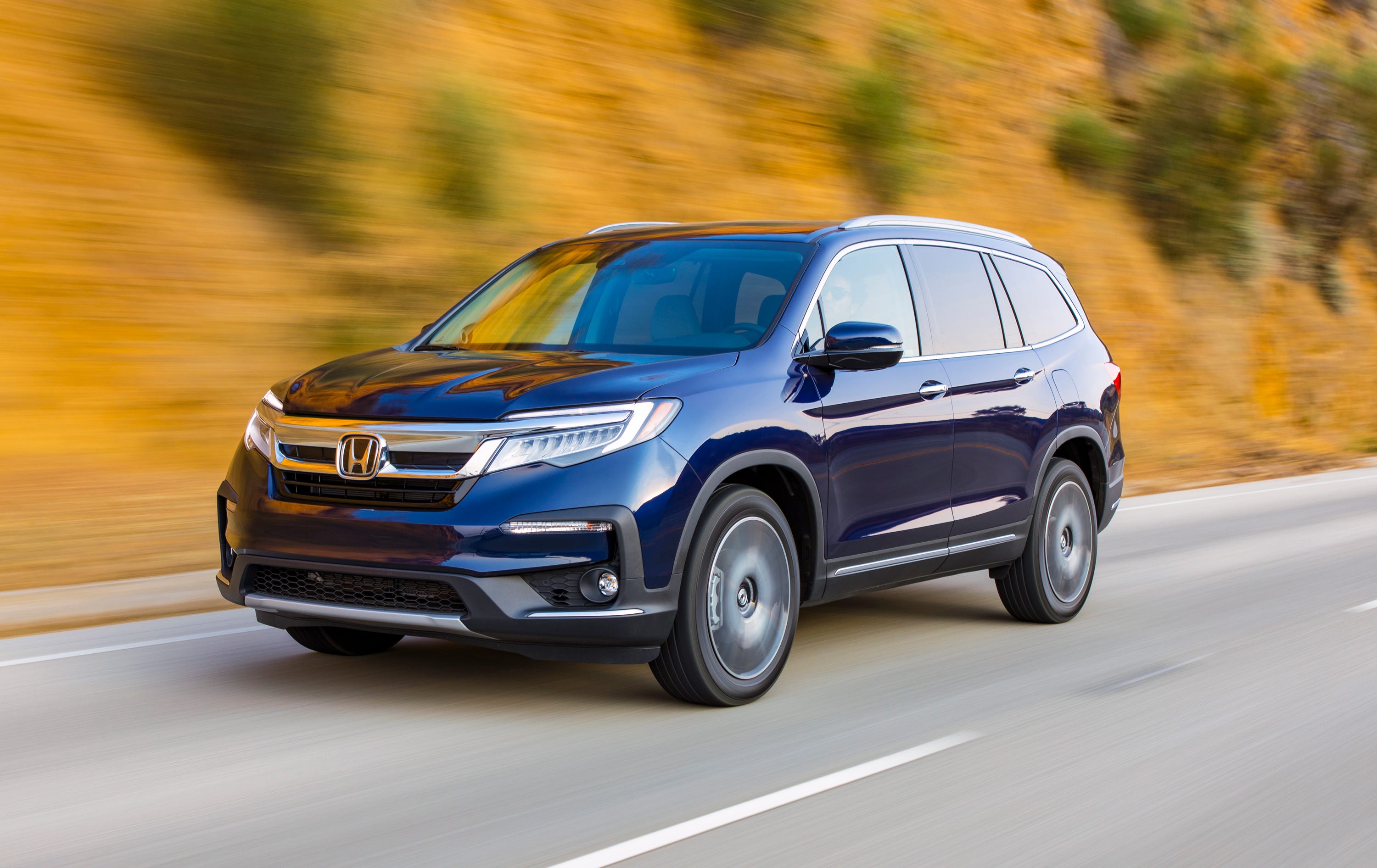
Honda Issues Major Recall Affecting 880,000 Vehicles Over Rusting Subframe Concerns
Honda has announced one of its largest recent safety recalls, affecting approximately 880,000 vehicles across several popular models. The recall targets specific Honda and Acura vehicles whose rear subframes are prone to accelerated, premature rusting — a defect that can ultimately lead to suspension failure and significantly increase the risk of a crash. If you own a Honda Pilot, Honda Passport, Honda Ridgeline, or Acura MDX, this recall could directly affect you, and understanding the details could be critical to your safety on the road.
Which Vehicles Are Included in the Honda Recall?
The recall encompasses a wide range of Honda and Acura models that share similar rear subframe construction. The specific vehicles included are:
- Honda Pilot — a full-size, three-row SUV that has long been one of Honda's best-selling family vehicles
- Honda Passport — a mid-size two-row SUV built on a platform shared with the Pilot
- Honda Ridgeline — Honda's unibody pickup truck, well known for its car-like ride and versatile bed
- Acura MDX — Honda's luxury three-row SUV sold under the Acura brand
Together, these four models account for nearly 880,000 units on U.S. roads. Owners of these vehicles are urged to check their Vehicle Identification Number (VIN) through the National Highway Traffic Safety Administration (NHTSA) website or Honda's official recall lookup tool to confirm whether their specific vehicle is included in the recall campaign.
What Is the Defect and Why Is It Dangerous?
At the heart of this recall is a serious structural concern: the rear subframe in affected vehicles can rust at an abnormally fast rate. The rear subframe is a critical structural component of any vehicle. It serves as the mounting point for rear suspension components, helping to control how the vehicle handles under braking, cornering, and everyday driving conditions.
When a subframe corrodes severely, it loses its structural integrity. In the worst-case scenario, a heavily rusted subframe can fracture or separate from the vehicle entirely. This type of failure can cause a sudden and unpredictable loss of vehicle control, dramatically increasing the risk of an accident, injury, or even a fatality. Even partial subframe corrosion can negatively affect ride handling, alignment, and suspension geometry in ways that make the vehicle unsafe to drive.
Premature rusting of this nature typically occurs faster than the manufacturer's expected wear timeline, suggesting a potential issue with material quality, coating application, or design. Vehicles that are regularly driven in regions that use road salt or de-icing chemicals — common in northern U.S. states and Canada during winter months — are particularly vulnerable to this type of accelerated corrosion.
How Honda Plans to Address the Problem
Honda has confirmed that it will notify affected vehicle owners by mail, outlining the steps they need to take. In most safety recalls of this nature, dealers are authorized to inspect the affected component — in this case, the rear subframe — and either apply a rust-inhibiting treatment or replace the subframe entirely, depending on the severity of the corrosion found.
As with all federally mandated safety recalls in the United States, the repair will be performed at no cost to the vehicle owner. Honda owners and Acura owners are encouraged not to delay scheduling their service appointment once they receive their recall notice, given the potential safety implications of driving on a compromised subframe.
Honda has not publicly disclosed the exact model years affected at this time, which makes it all the more important for owners to use the VIN lookup tool to determine eligibility. Recall repairs are typically handled through authorized Honda and Acura dealerships, and service departments are expected to be equipped with the necessary parts and procedures to complete the work efficiently.
What Should Affected Vehicle Owners Do Right Now?
If you own any of the vehicles listed in this recall, there are several steps you should take immediately to protect yourself and your passengers:
- Check your VIN: Visit the NHTSA website at nhtsa.gov or Honda's official recall page and enter your 17-digit VIN to see if your vehicle is included in the recall.
- Contact your dealership: Even before receiving your official recall notice by mail, you can contact your local Honda or Acura dealership to inquire about the recall and schedule an inspection.
- Be alert for symptoms: Unusual noises from the rear of your vehicle, changes in handling behavior, or visible rust under your vehicle near the rear axle area may be warning signs. If you notice any of these, reduce your driving and consult a mechanic promptly.
- Do not ignore the recall: Subframe failure is not a minor inconvenience. A complete or partial structural failure while driving can lead to catastrophic accidents. Acting quickly is in your best interest.
The Broader Context: Honda's Recall History and Consumer Trust
This recall adds to a string of high-profile safety campaigns that Honda has managed in recent years. While no automaker is immune to recalls, the scale of this one — nearly a million vehicles — underscores the importance of robust quality control and ongoing safety monitoring throughout a vehicle's lifespan. Honda has generally maintained a strong reputation for reliability, and the company's willingness to issue large-scale recalls rather than downplay known defects reflects the kind of corporate responsibility that consumers and regulators expect.
For current Honda and Acura owners, the recall process can feel disruptive. However, taking advantage of the free repair being offered is the responsible choice. The potential consequences of ignoring a structural defect of this magnitude far outweigh the inconvenience of a dealership visit.
Final Thoughts
The Honda recall affecting 880,000 Pilots, Passports, Ridgelines, and Acura MDXs is a serious safety matter that demands prompt attention from vehicle owners. Rapidly rusting rear subframes present a genuine risk of suspension failure and loss of vehicle control. Whether or not you have already received a recall notice in the mail, the smartest move is to check your VIN today, contact your dealership, and get your vehicle inspected as soon as possible. Your safety — and the safety of everyone sharing the road with you — depends on it.