
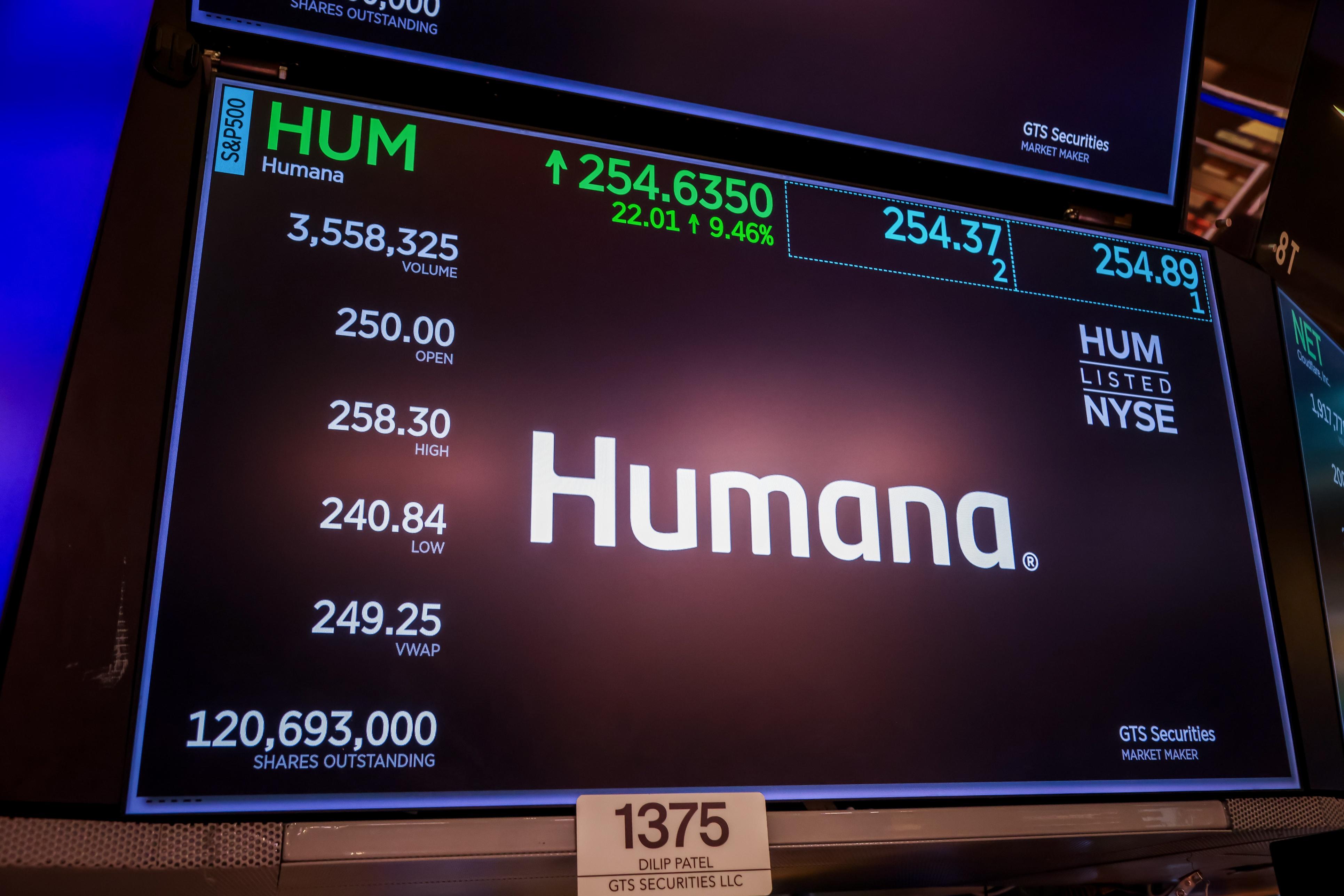
Humana to Sell End-Of-Life Care Business in $900 Million Deal
In a major strategic move that is drawing widespread attention across the U.S. healthcare industry, Humana — one of the nation's largest sellers of Medicare Advantage insurance for older adults — has announced plans to divest its stake in a provider of end-of-life care services for $900 million. The deal signals a significant shift in how one of America's most prominent health insurers views its long-term business priorities, and it raises important questions about the future of end-of-life and hospice care delivery in the United States.
What Is Humana Selling and Why Does It Matter?
Humana's divestiture involves its ownership stake in a business that provides end-of-life care services — a category that typically includes hospice care, palliative care, and other services designed to support patients and families during the final stages of life. These services are a critical component of the American healthcare system, particularly for the aging population that Medicare Advantage is specifically designed to serve.
The $900 million price tag places this transaction among the more notable healthcare deals of the year. For context, end-of-life care has been an increasingly attractive segment of the healthcare market in recent years, driven by the rapidly growing number of Americans aged 65 and older. The U.S. Census Bureau estimates that by 2030, all Baby Boomers will be older than 65, swelling the senior population to over 73 million. That demographic reality has made hospice and palliative care businesses highly valuable assets.
For Humana, however, the calculation appears to be moving in the opposite direction — choosing to exit this space rather than deepen its investment in it.
Humana's Strategic Refocus
This divestiture does not occur in a vacuum. Humana has been navigating a challenging period marked by rising medical costs, margin pressures in its Medicare Advantage business, and broader restructuring efforts. The company, like many large insurers, has been working to streamline its operations and sharpen its focus on its core competencies.
Medicare Advantage — the privately administered version of the federal Medicare program — remains Humana's cornerstone business. The insurer is one of the top providers of Medicare Advantage plans in the country, competing closely with UnitedHealth Group and CVS Health's Aetna for market share among America's seniors. By unlocking $900 million through this sale, Humana can redirect capital toward strengthening that core insurance operation or pursuing other strategic priorities.
In recent years, many large insurers experimented with vertical integration — owning the care providers alongside the insurance products. The logic was straightforward: controlling more of the care delivery chain could improve outcomes and reduce costs. But that model has proven difficult to execute at scale, and several major players, including Humana, have faced headwinds in making those integrated assets perform as expected.
The Hospice and End-Of-Life Care Market: A Closer Look
The end-of-life care sector has attracted intense investor interest over the past decade. Private equity firms, large health systems, and publicly traded companies have all competed to acquire hospice providers as demand for these services has accelerated. The reasons are both humanitarian and financial — hospice care improves quality of life for patients with terminal illnesses while also, in many cases, reducing costly and often unwanted hospitalizations.
Medicare is the primary payer for hospice services in the United States, covering more than 90% of hospice patients through the Medicare Hospice Benefit. That government-backed revenue stream has made hospice businesses particularly appealing to investors seeking stable, recurring income. However, the sector has also faced scrutiny from federal regulators concerned about fraud, quality of care, and inappropriate enrollment practices at some for-profit providers.
The buyer of Humana's end-of-life care stake will be acquiring a business in a sector that remains in high demand but also under increasing regulatory oversight — a dynamic that any new owner will need to manage carefully.
What This Means for Patients and Families
For patients relying on end-of-life care services connected to Humana's network, a divestiture of this nature can naturally raise concerns. Ownership changes in healthcare businesses sometimes lead to shifts in staffing, service delivery, and care philosophies. However, such transitions are typically structured to ensure continuity of care, and regulatory requirements in hospice and palliative care are designed to protect patients throughout changes in ownership.
Families navigating end-of-life decisions should stay informed about any changes to their care providers and communicate openly with their care teams. Healthcare advocates also recommend reviewing Medicare plan options annually, as insurer portfolios and provider networks can shift from year to year.
Broader Implications for the Healthcare Insurance Industry
Humana's decision to exit end-of-life care services is likely to reverberate through the broader health insurance and managed care industry. It may prompt other large insurers to re-evaluate their own diversified care delivery assets and consider whether owning care providers genuinely enhances their core insurance businesses.
- The deal underscores ongoing tensions between insurance and care delivery integration strategies and the practical realities of executing them profitably.
- It reflects mounting cost pressures in Medicare Advantage that are forcing insurers to make harder capital allocation choices.
- It highlights the continued appetite among buyers for end-of-life care assets despite regulatory complexity.
- It signals that even the largest players in U.S. healthcare are not immune to the need for strategic course corrections.
Looking Ahead
As Humana moves forward with this $900 million transaction, all eyes will be on how the company deploys the proceeds and whether its refocused strategy delivers improved financial performance in its Medicare Advantage business. The deal is also a reminder that the U.S. healthcare system — with all its complexity, financial pressures, and demographic shifts — continues to evolve at a rapid pace.
For industry observers, investors, and healthcare professionals alike, Humana's divestiture of its end-of-life care business is more than a single transaction. It is a signal of where one of America's most influential health insurers believes its future lies — and, equally, where it does not.