
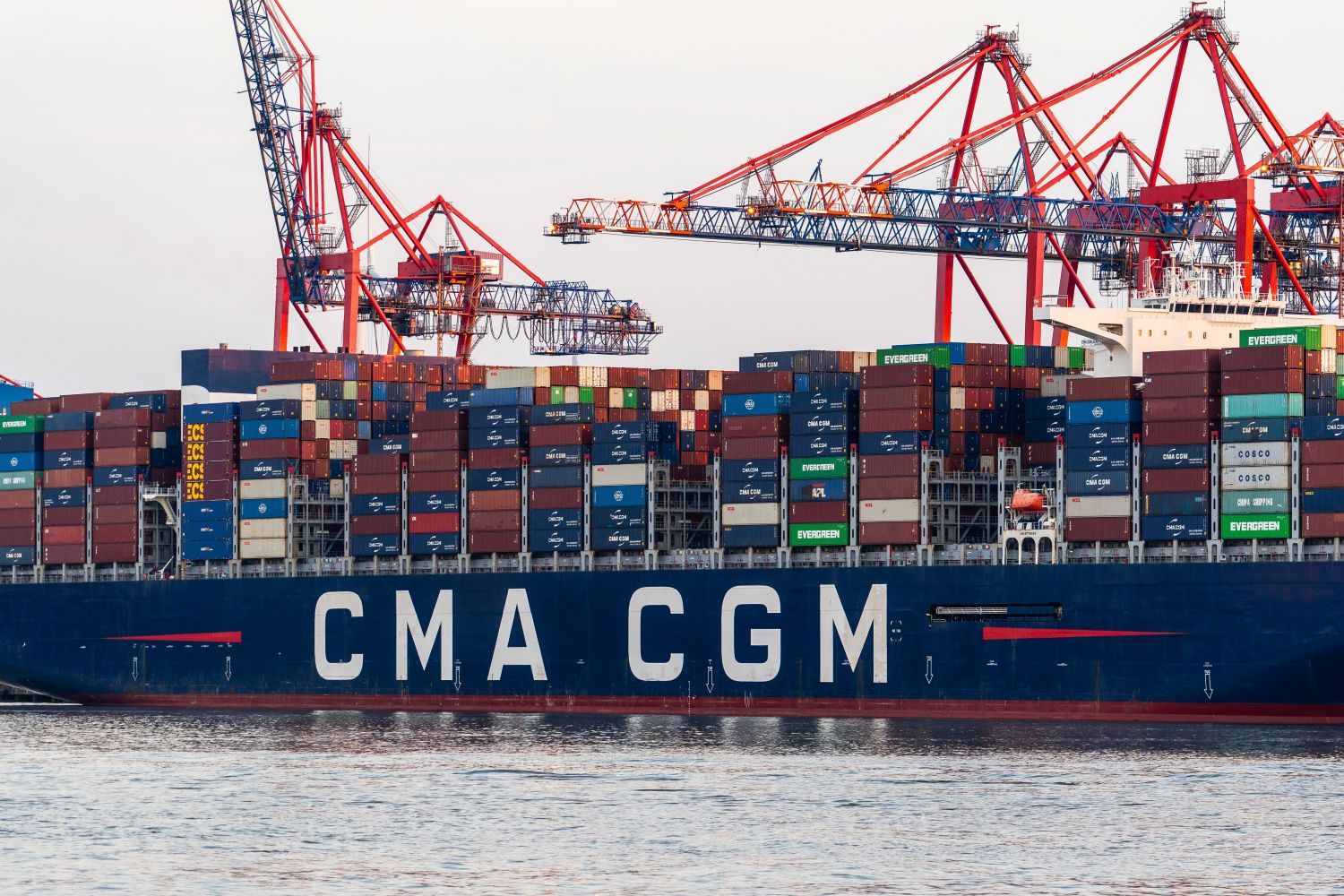
India-USWC Freight Rates Spike as Carriers Chase Trans-Pacific Profits
Shippers and freight forwarders moving cargo between India and the US West Coast (USWC) have been caught off guard by a sharp and sudden rise in ocean freight rates on the trade lane. While a rate jump of this nature might ordinarily signal a rebound in consumer demand or a surge in export volumes, industry insiders tell a different story. The real culprit, according to forwarders closely monitoring the market, is a significant reduction in available vessel capacity — a direct consequence of major ocean carriers redeploying their ships toward the far more lucrative eastbound trans-Pacific trade out of China.
The shift underscores a broader dynamic playing out across global container shipping markets in 2025: carriers are increasingly pragmatic about where they place their tonnage, and when the trans-Pacific trade heats up, other trade lanes — including India to the US West Coast — are among the first to feel the squeeze.
What Is Driving the Rate Increase on India-USWC Routes?
To understand the rate spike, it is important to separate genuine demand signals from supply-side manipulation. Freight forwarders operating on the India-USWC corridor have been clear: this is not a demand story. Cargo volumes out of Indian ports have not surged dramatically. There is no sudden wave of import orders from American retailers flooding the market. Instead, the rate increase is almost entirely attributable to a contraction in vessel capacity as liners reassign ships to other, higher-yielding routes.
The eastbound trans-Pacific trade — primarily moving goods from China to the United States — has seen a significant uptick in activity, driven by a combination of front-loading ahead of potential tariff changes, restocking cycles, and seasonal demand patterns. For ocean carriers, the economics of deploying a large container vessel on the trans-Pacific versus the India-USWC trade lane can be considerably more favorable, especially when spot rates on the former are elevated.
The result is a classic supply reduction scenario. With fewer vessel sailings available on India-USWC services, the capacity that remains is quickly absorbed, and shippers find themselves competing for limited space. Rates rise not because demand has increased, but because supply has contracted.
How Carriers Are Responding to Trans-Pacific Demand
Major liner companies have been reconfiguring their network deployments throughout 2025, constantly weighing the revenue potential of different trade lanes. When the trans-Pacific trade out of China becomes particularly active, carriers have several options: they can increase vessel frequency on that route by pulling tonnage from elsewhere, deploy larger vessels, or utilize ships that were previously on slower or less profitable services.
The India-USWC trade, while growing in strategic importance as global supply chains diversify away from China, remains a relatively smaller trade lane in terms of absolute volume when compared to the trans-Pacific giant. This makes it more vulnerable to capacity withdrawals when carriers need to free up vessels quickly.
Blank sailings — a mechanism carriers use to manage capacity by cancelling scheduled departures — have also been a contributing factor in some markets, further tightening the available space for shippers with cargo ready to move from Indian ports to US West Coast gateways such as Los Angeles and Long Beach.
Impact on Shippers and Freight Forwarders
For importers and exporters relying on the India-USWC corridor, the rate environment presents several immediate challenges. Those without long-term contracted rates are likely facing significantly higher spot market costs, reducing their margin on goods already priced for specific logistics budgets. For small and mid-sized exporters in India who lack the volume leverage to negotiate favorable long-term contracts with carriers, the sudden rate increase can be particularly disruptive.
Freight forwarders are working to manage expectations on both sides of the trade, advising clients to book space well in advance and to consider alternative routing options where possible. Some forwarders have noted that transhipment options through hub ports in the Middle East or Southeast Asia may offer greater capacity availability, though often at the cost of additional transit time.
- Shippers should review and renegotiate long-term rate agreements where possible to provide cost certainty.
- Building buffer time into shipment schedules can help absorb potential delays caused by reduced sailing frequencies.
- Diversifying carrier relationships reduces dependency on a single liner that may be more prone to capacity withdrawals on this lane.
- Monitoring vessel deployment announcements from major carriers can provide early warning of further capacity changes.
The Bigger Picture: India's Growing Role in Global Shipping
The rate volatility on India-USWC services comes at a time when India is increasingly positioned as a key node in global supply chain diversification strategies. As multinational companies seek to reduce their reliance on Chinese manufacturing, India has attracted growing investment in sectors ranging from electronics and pharmaceuticals to textiles and engineering goods. This has brought increased attention to the reliability and cost-efficiency of India's maritime connections with major consumer markets, particularly the United States.
However, the current episode reveals a structural vulnerability: when India-USWC capacity is subordinated to the demands of the trans-Pacific trade, it can undermine the confidence of shippers who are considering making longer-term supply chain commitments to Indian manufacturing and export hubs. For India's maritime trade ambitions to be fully realized, consistent and reliable ocean carrier services — not subject to frequent capacity withdrawals — will be essential.
What to Expect in the Near Term
Industry analysts suggest that rate levels on India-USWC services could remain elevated for as long as the trans-Pacific trade continues to absorb significant carrier capacity. If trans-Pacific demand moderates — whether due to tariff resolutions, demand softening, or seasonal shifts — some capacity may return to secondary trade lanes including India-USWC, which could ease the rate pressure.
For now, shippers should treat current rate levels as potentially persistent rather than a brief spike, and plan their procurement and logistics strategies accordingly. Staying in close contact with freight forwarders and monitoring carrier network announcements will be critical to navigating this uncertain period in ocean freight markets.
The India-USWC rate jump is ultimately a reminder that in the interconnected world of container shipping, events on one trade lane — even one as distant as China to the US West Coast — can have immediate and tangible consequences for shippers operating on entirely different routes. Understanding these linkages is increasingly essential for anyone managing international supply chains in today's volatile freight environment.