
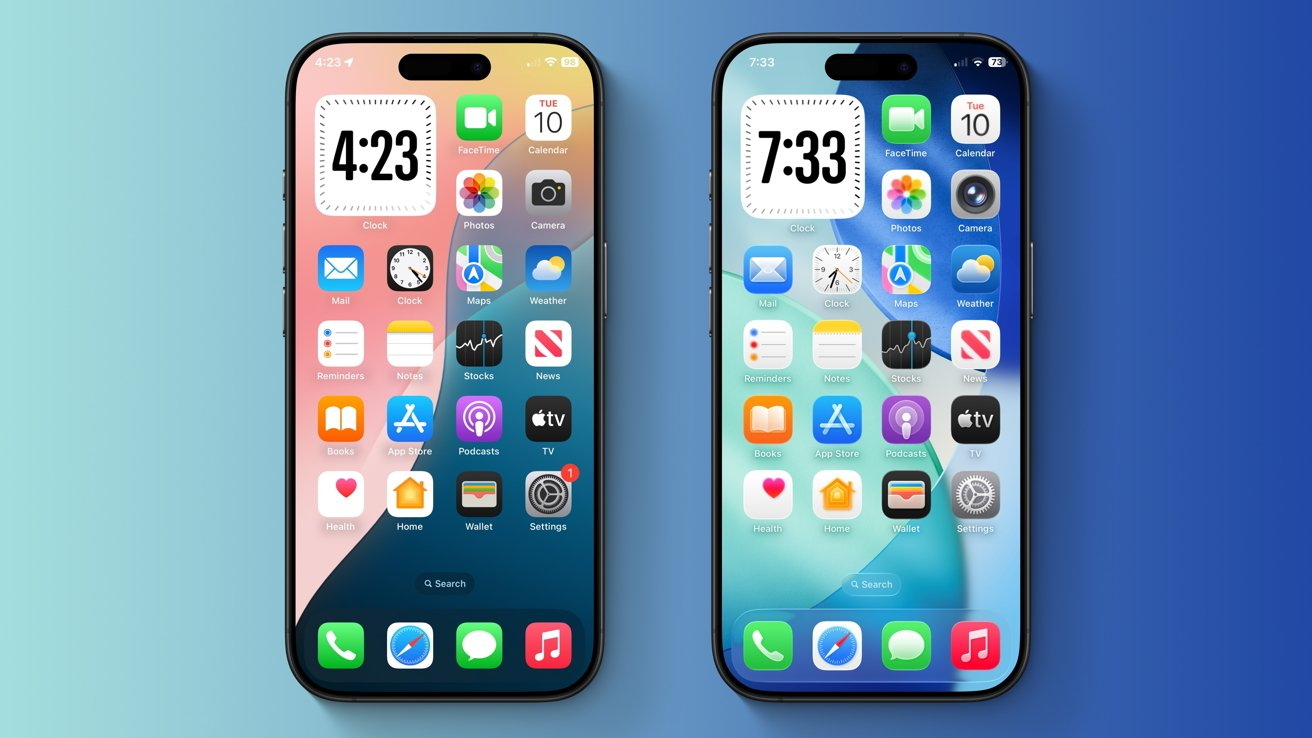
iOS 26 Adoption Rate Is One of the Lowest in Nearly a Decade
When Apple releases a new version of iOS, the tech world watches closely to see how quickly iPhone users make the jump. Historically, iOS updates have enjoyed some of the highest adoption rates in the entire mobile software industry — a testament to Apple's tightly controlled ecosystem and its ability to push updates to a wide range of devices simultaneously. But the latest data is telling a different story. According to Apple's own App Store statistics for June 2026, iOS 26 is posting the second-worst adoption rate of any iOS release since 2015, trailing behind not only iOS 18 but also the older iOS 8.
This is a notable development for Apple watchers, developers, and everyday iPhone users alike. It raises important questions: Why are fewer people updating? What does this mean for the broader Apple ecosystem? And should iOS 26's slower uptake be a cause for concern — or just a statistical blip in an otherwise strong track record?
What the Numbers Actually Say
Apple's App Store data for June 2026 shows that 79% of all active iPhone devices are currently running iOS 26. While that might sound impressive in absolute terms, context is everything. When you compare that figure to the adoption pace of iOS 18 at a similar point in its lifecycle, iOS 26 falls noticeably short.
The same dataset also reveals that 86% of all iPhones introduced within the last four years are running iOS 26. This distinction matters because newer devices tend to update faster — they have faster processors, more available storage, and users who are generally more tech-engaged. The fact that even among this relatively modern subset of the iPhone installed base the number doesn't exceed 86% underscores that adoption momentum has genuinely slowed.
To place this in historical perspective, iOS 26 currently holds the second-worst adoption rate of all iOS releases since 2015. Only iOS 8 — which was widely criticized at launch for performance issues and a botched initial update that bricked some devices — performed worse at a comparable stage. iOS 18, by contrast, saw considerably stronger uptake across both the overall installed base and the newer-device segment.
Why Are Fewer iPhone Users Upgrading to iOS 26?
There is no single explanation for the slower adoption curve, but several factors are likely contributing to the trend.
Feature Fatigue and Incremental Updates
One possible reason is that users simply feel less compelled to update. As iOS matures, each annual release tends to offer a more incremental set of changes rather than sweeping redesigns. If users don't perceive a meaningful difference in daily functionality, they may delay or forgo updating altogether — especially if their current iOS version is running smoothly.
Caution Following Past Update Issues
Another factor is user caution. A growing segment of iPhone users has learned — sometimes the hard way — to wait before installing a major iOS update. Early releases can carry bugs, battery drain issues, or compatibility problems with third-party apps. Waiting for the first few point releases (such as iOS 26.1 or 26.2) before upgrading has become a practical strategy for many users, particularly professionals and businesses that rely on device stability.
The Shadow of iOS 27 and WWDC Buzz
Interestingly, timing may also play a role. All eyes in the Apple community are currently on iOS 27, which debuted at WWDC and promises a significantly enhanced, AI-infused version of Siri. When users know that a more exciting update is already in beta and on the horizon, the incentive to update to the current generation can diminish. Why go through the process of updating to iOS 26 when iOS 27 might be just a few months away?
Larger Installed Base and Device Age Diversity
Apple's iPhone installed base has grown substantially over the years. A larger and more diverse pool of devices — including older models that may have slower update experiences or users who are less technically engaged — naturally tends to dilute overall adoption percentages. What looks like sluggish adoption may partly reflect the reality of a much bigger and more varied user population than existed during earlier iOS cycles.
What This Means for App Developers
For developers building apps in the Apple ecosystem, iOS adoption rates are more than just a talking point — they directly influence development decisions. When a new iOS version achieves rapid adoption, developers can quickly deprecate support for older versions and take full advantage of new APIs and frameworks. A slower adoption curve means that developers need to maintain broader compatibility for longer, which adds to testing overhead and can delay the rollout of features that depend on newer iOS capabilities.
With 79% of all active devices on iOS 26 and 86% of newer devices updated, the numbers are still workable for most developers. However, if the trend toward slower adoption continues with future releases, it could gradually shift how the development community prioritizes iOS-specific features versus cross-platform solutions.
Is Slow Adoption Actually a Problem for Apple?
From Apple's corporate perspective, the slower adoption rate of iOS 26 is unlikely to cause immediate alarm. The company has multiple levers at its disposal — security update incentives, feature exclusivity tied to newer OS versions, and the natural lifecycle of device replacements — that will continue to push users toward the latest software over time.
That said, adoption rates are a useful health metric for the ecosystem. A sustained decline in update enthusiasm could signal deeper issues around user trust, perceived value of annual iOS releases, or mounting frustration with the update process itself. Apple will be watching these numbers carefully as iOS 26 matures and as iOS 27 moves from beta toward its fall public release.
Looking Ahead: Will iOS 27 Reverse the Trend?
The early buzz around iOS 27 is undeniably strong. An AI-powered Siri overhaul represents one of the most significant changes to the iPhone's core experience in years, and that kind of headline feature tends to drive upgrade motivation. If iOS 27 delivers on its promise, it could easily outpace iOS 26's adoption curve and put Apple back on track with the rapid upgrade cycles the industry has come to expect from the iPhone platform.
For now, though, iOS 26 sits in an awkward statistical position — functional, stable, and widely installed, but clearly not the crowd-pleaser Apple might have hoped for. Whether that changes before iOS 27 arrives remains to be seen.
Final Thoughts
iOS 26's adoption figures are a reminder that even Apple, with its extraordinary ecosystem cohesion, is not immune to shifts in user behavior. The second-worst iOS adoption rate since 2015 is a data point worth noting — not as a crisis, but as a signal. As the smartphone market matures and users become more selective about when and why they update, Apple will need to keep making a compelling case that each new iOS release is worth the effort. With iOS 27 waiting in the wings, the next chapter in this story is already being written.