
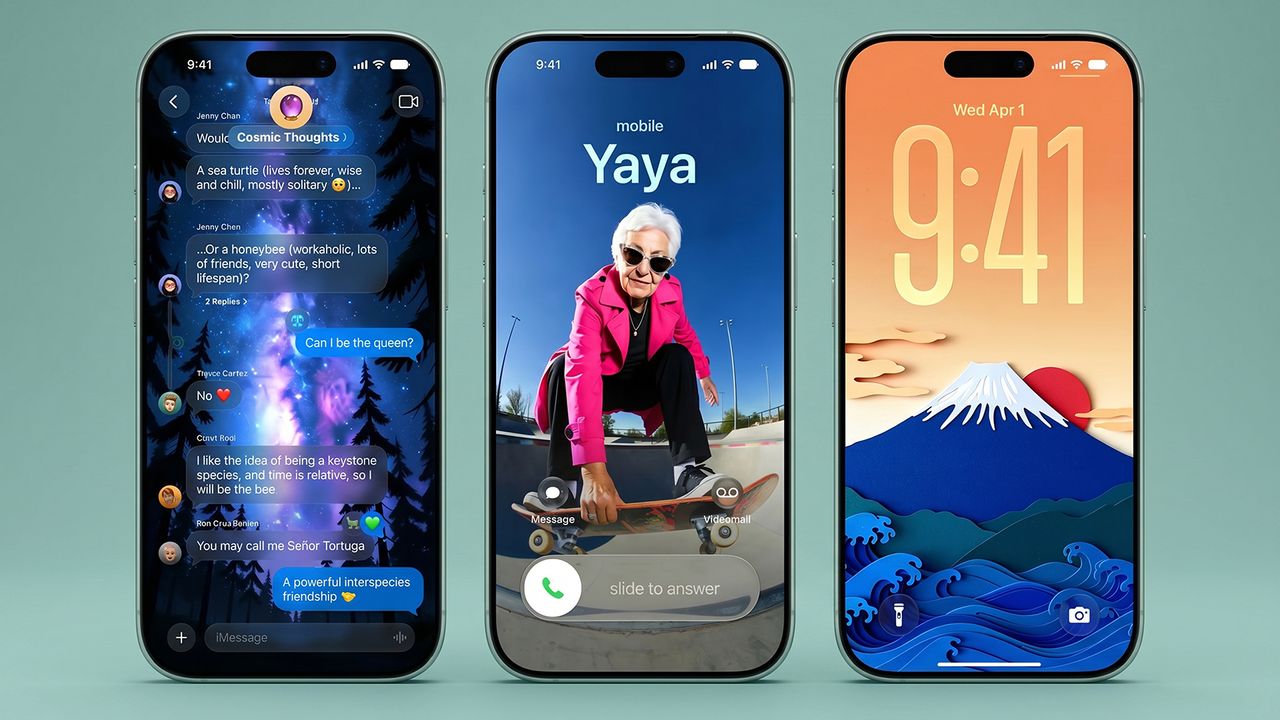
iOS 27 Is Coming — But Not All iPhones Are Created Equal
Apple has a long-standing reputation for supporting its devices with software updates long after competitors have moved on. When iOS 27 was announced, many iPhone owners breathed a sigh of relief seeing their older devices still on the compatibility list. But there's an important nuance that every Apple user needs to understand: running iOS 27 and fully experiencing iOS 27 are two very different things.
While Apple has confirmed that iOS 27 will be available for a broad range of iPhone models, the headline-grabbing Apple Intelligence features — the AI-powered tools that Apple has been positioning as the future of the iPhone experience — are subject to their own, much stricter hardware requirements. If you were planning to hold onto your older iPhone and still enjoy everything iOS 27 has to offer, it's time for a reality check.
What Is Apple Intelligence, and Why Does It Matter?
Apple Intelligence is Apple's branded suite of artificial intelligence and machine learning features deeply integrated into iOS. These capabilities go well beyond simple voice commands or autocorrect. Apple Intelligence encompasses generative writing tools, advanced image creation, smarter Siri interactions powered by on-device large language models, enhanced photo editing, and priority notification summaries, among much else.
For Apple, these features represent its answer to the generative AI wave that has swept through the tech industry. Google has Gemini embedded in Android, Microsoft has Copilot baked into Windows, and now Apple is pushing its own vision of ambient, private, on-device AI. The stakes are high, which is why the hardware requirements are equally demanding.
Processing these kinds of tasks — especially on-device, without constantly relying on cloud servers — requires significant computational power. That power lives in Apple's most recent chips, which is precisely why older iPhones face a hard ceiling when it comes to Apple Intelligence.
Which iPhones Will Run iOS 27?
Apple has historically offered iOS support for devices up to five or six years old. iOS 27 continues this tradition, with support expected to extend back to certain iPhone models in the iPhone XR and XS era or later, depending on Apple's final announcements. This means millions of users on older but still-functional devices will be able to download and install iOS 27 without needing to buy new hardware.
For these users, iOS 27 will still deliver meaningful improvements, including:
- Refreshed design elements and user interface updates across the operating system.
- Performance and battery life optimizations tailored to each supported device.
- Improved privacy and security features, including enhanced app permission controls.
- Updated default apps such as Messages, Safari, and Photos with new non-AI functionality.
- General system stability improvements and bug fixes carried over from iOS 26.
So the update is far from useless on older hardware. But anyone who saw Apple's WWDC keynote and got excited about the AI-powered capabilities will need to temper their expectations.
The Apple Intelligence Cutoff: Which Devices Make the Grade?
Apple Intelligence features require an iPhone 15 Pro, iPhone 15 Pro Max, or any iPhone 16 model at minimum. The reason comes down to the Neural Engine and overall chip architecture. Apple Intelligence leans heavily on the A17 Pro chip found in the iPhone 15 Pro lineup, and the full breadth of features is optimized for the A18 and A18 Pro chips in the iPhone 16 series.
This chip-level requirement is not simply a marketing decision. Running large language models on-device — one of the cornerstones of Apple's privacy-first approach to AI — demands the kind of raw processing throughput and dedicated machine learning hardware that simply doesn't exist in older chipsets. Apple has been clear that it would rather limit the feature set to devices that can deliver a consistent, reliable experience than water down performance across a wider range of hardware.
What this means in practice is that if you own an iPhone 14, iPhone 13, or anything older, you will install iOS 27 and find that the Apple Intelligence sections of your Settings app are either absent or grayed out entirely.
Should You Upgrade Your iPhone for Apple Intelligence?
Whether the Apple Intelligence features alone justify a hardware upgrade is a personal financial decision, but it's worth understanding exactly what you would be gaining. The writing tools, for instance, can rewrite emails in different tones, summarize long threads, and proofread with contextual awareness. The image generation tools allow users to create custom visuals directly within Messages and other apps. Siri's upgraded capabilities make it genuinely useful for complex, multi-step requests in ways previous versions simply could not manage.
For power users, professionals, and anyone who relies heavily on their iPhone for communication and productivity, these features represent a genuine quality-of-life upgrade. For more casual users who primarily use their iPhone for calls, messages, and social media, the non-AI improvements in iOS 27 may be more than sufficient.
Tips for Older iPhone Users on iOS 27
- Install iOS 27 for the security and performance improvements alone — they are worthwhile regardless of AI features.
- Check Apple's official compatibility page to confirm your exact model is supported before updating.
- Back up your device via iCloud or Finder before any major iOS update.
- Manage your expectations around Apple Intelligence — don't let its absence diminish the value of what you do receive.
The Bigger Picture: Apple's Two-Tier iPhone Ecosystem
iOS 27 quietly formalizes something that has been building for several years: Apple now effectively operates a two-tier iPhone ecosystem. There are iPhones that run iOS, and then there are iPhones that run the full vision of iOS. As Apple Intelligence becomes more central to the iPhone experience with each passing year, this divide will only widen.
For consumers, the takeaway is straightforward. iOS 27 is a solid, worthwhile update for any compatible iPhone. But if you want the future Apple is actively building toward — a personal, intelligent, context-aware assistant woven into every corner of your device — the hardware investment is no longer optional. It is the price of admission.