
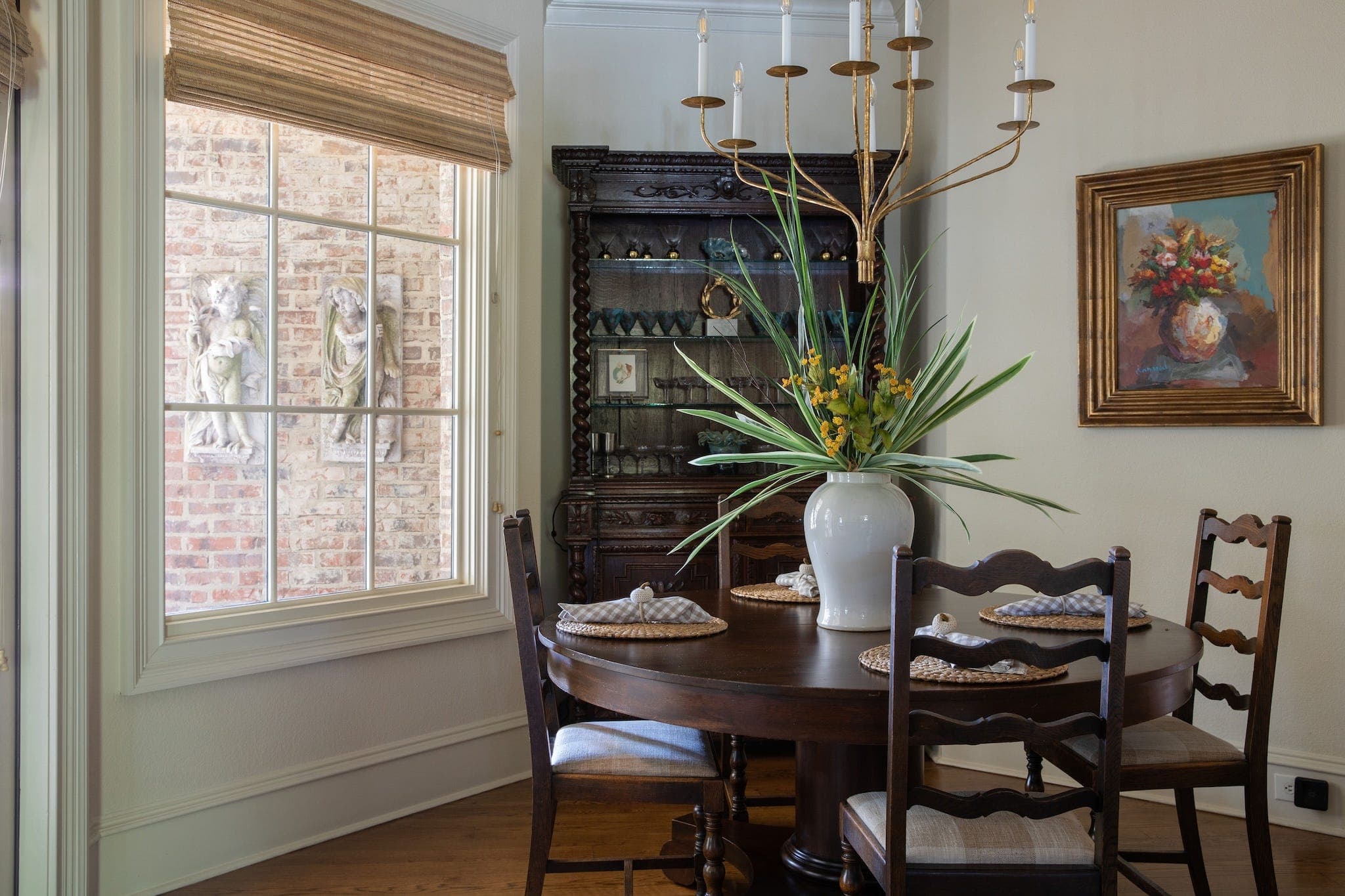
What Is Slow Decorating — and Why Are Design Experts Obsessed With It?
If your social media feed has been flooded with perfectly curated living rooms, maximalist gallery walls, and trend-of-the-week furniture hauls, you might be surprised to learn that the design world is now moving in the exact opposite direction. Interior design professionals across the country are declaring that slow decorating is the dominant home trend of 2026 — and it's fundamentally changing the way people think about their living spaces.
Unlike the impulse buying and rapid room overhauls that have defined home decorating culture for years, slow decorating is rooted in patience, intention, and a deep respect for the spaces we live in. It's not about filling rooms quickly — it's about filling them meaningfully. And according to the pros, that shift in mindset leads to homes that are not only more beautiful, but far more personal and livable.
The Core Philosophy Behind Slow Decorating
At its heart, slow decorating borrows its philosophy from the broader "slow living" movement — a cultural pushback against the pressure to consume faster, upgrade constantly, and keep up with every passing trend. When applied to interior design, it encourages homeowners to pause before purchasing, to sit with a space before deciding how to style it, and to invest in pieces that carry genuine meaning rather than momentary appeal.
Design professionals describe slow decorating as a practice built on three foundational principles: intentionality, longevity, and personal resonance. Every item brought into a home should serve a purpose, stand the test of time, and reflect the unique story of the person who lives there. That's a far cry from the "matching set" mentality that once dominated furniture stores and design blogs alike.
The result, experts say, is a home that feels curated rather than decorated — a distinction that may sound subtle but makes an enormous visual and emotional difference.
Why 2026 Is the Tipping Point for This Trend
While the slow decorating philosophy has been quietly building momentum for several years, design insiders point to a handful of cultural and economic factors that have made 2026 its true breakout year.
Rising costs of furniture and home goods have pushed many people to buy less and buy better. Supply chain disruptions and longer lead times have inadvertently taught consumers the value of waiting for the right piece rather than settling for whatever is immediately available. And a growing awareness of sustainability has made fast-furniture culture feel increasingly out of step with how many people want to live.
There's also a psychological dimension at play. After years of overstimulation — in newsfeeds, in workplaces, and in overly styled homes — many people are craving environments that feel calm, grounded, and genuinely their own. Slow decorating delivers exactly that.
How to Practice Slow Decorating in Your Own Home
Adopting a slow decorating approach doesn't require starting from scratch or throwing out everything you own. In fact, that kind of dramatic overhaul is precisely what this trend pushes back against. Instead, it's about shifting your relationship with your home one thoughtful choice at a time. Here are some practical ways to get started:
- Live in your space before decorating it. Before buying anything for a new room or home, spend time in it as-is. Notice how the light moves through it at different times of day, how you naturally use the space, and what actually feels missing versus what you simply think you should have.
- Implement a waiting period before purchases. When you spot something you love, wait at least 30 days before buying it. If it still feels right a month later, it's probably the right choice. If you've forgotten about it, it probably wasn't.
- Prioritize quality over quantity. Slow decorating isn't necessarily about spending more money — it's about spending it more wisely. One well-made, beautifully designed piece will almost always outperform three cheaper alternatives in terms of both aesthetics and longevity.
- Shop for pieces with personal history. Vintage markets, estate sales, antique shops, and family heirlooms are the cornerstones of slow decorating. Items with provenance bring character and story that no brand-new furniture collection can replicate.
- Resist the urge to fill every space. Empty space is not a design failure — it's often a design choice. Leaving room for a home to breathe is one of the most powerful things you can do to elevate its overall aesthetic.
Slow Decorating Versus Fast Furniture Culture
The contrast between slow decorating and the fast-furniture model couldn't be more pronounced. Fast furniture culture — epitomized by flat-pack giants and trend-driven online retailers — prioritizes accessibility, speed, and low price points. The trade-off is durability, individuality, and environmental impact. Pieces are often designed to be replaced within a few years, contributing to enormous amounts of waste and a homogenized aesthetic that makes many homes look remarkably similar to one another.
Slow decorating rejects that cycle entirely. It asks homeowners to consider not just how a piece looks on day one, but how it will look — and feel — a decade from now. That long-term thinking naturally leads people toward better materials, more timeless designs, and a more considered approach to what they bring into their homes.
What Designers Say Makes a Space Feel Truly Finished
Interestingly, many professional interior designers note that the homes they consider most successful are rarely the ones that were completed the fastest. The spaces that generate the most admiration — and the ones their clients love living in most — tend to be the ones that evolved gradually, layer by layer, over months or even years.
That evolution allows a home to tell an authentic story. A sofa chosen after months of deliberation, a lamp discovered at a flea market on a weekend trip, a piece of art that took two years to find the right spot for — these are the elements that give a space genuine depth and personality. No algorithm or trend report can manufacture that kind of authenticity.
The Lasting Appeal of Decorating With Intention
Ultimately, the slow decorating trend taps into something deeper than aesthetics alone. It reflects a growing desire among homeowners to feel more connected to their spaces — to live in homes that are genuinely expressions of who they are rather than reflections of who the market thinks they should be.
As design professionals continue to champion this approach heading into 2026 and beyond, one thing is clear: the homes that will stand out most won't be the ones decorated fastest or most expensively. They'll be the ones decorated most thoughtfully. And that, perhaps, is a design principle worth holding onto for a very long time.