
U.S. Approves First-Ever Floating LNG Export Terminal: What It Means for America's Energy Future
In a landmark moment for American energy policy, U.S. regulators have approved the construction of the country's first-ever floating liquefied natural gas (LNG) production vessel. The $5-billion offshore platform, spearheaded by Houston-based Delfin Midstream, marks a significant turning point in the United States' ambition to become a dominant force in global natural gas markets. The approval, granted by the Maritime Administration (Marad), has ignited both excitement among energy advocates and sharp criticism from environmental groups who question the speed and transparency of the regulatory process.
What Is a Floating LNG Terminal and Why Does It Matter?
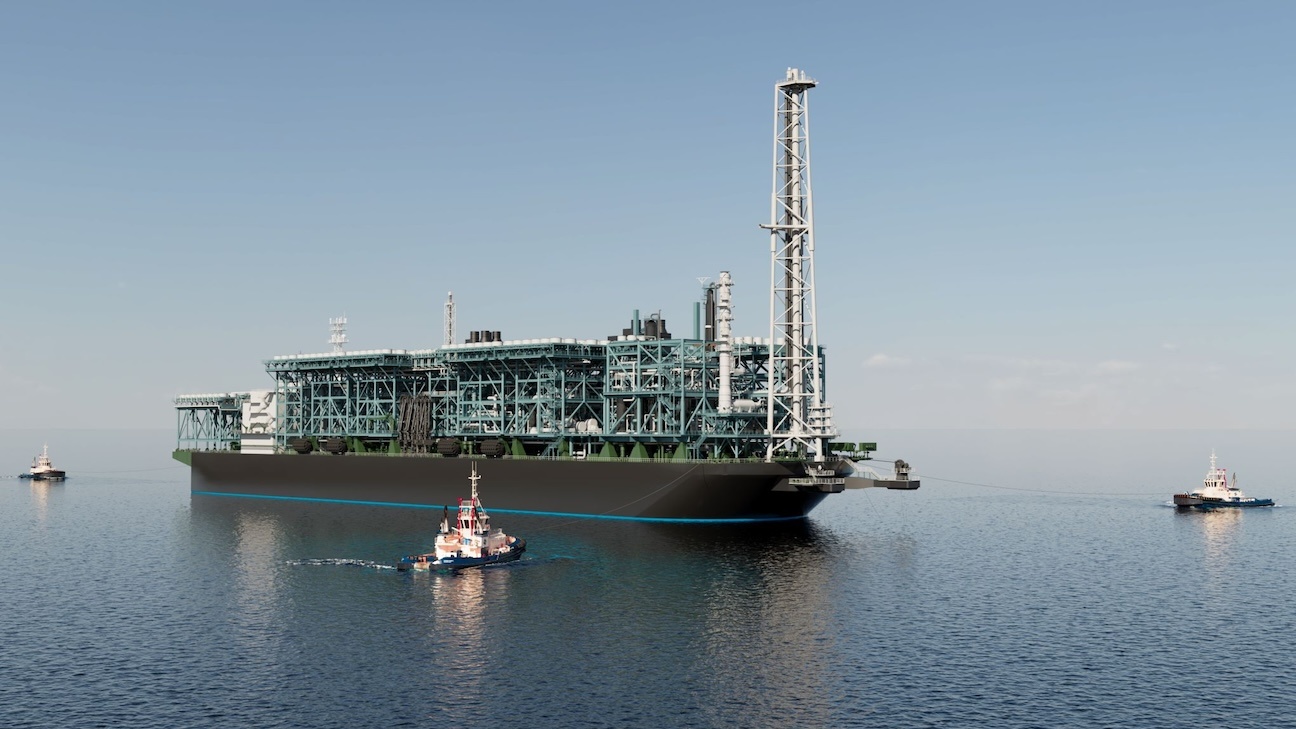
A floating LNG terminal, sometimes referred to as a floating liquefied natural gas vessel (FLNG), is an offshore platform capable of processing, liquefying, and storing natural gas directly at sea. Unlike traditional onshore LNG facilities, floating terminals eliminate the need for extensive coastal infrastructure, reduce land-use conflicts, and can be positioned in deep water far from shorelines.
The Delfin Midstream project is set to become the largest floating port of its kind in the world. With an initial production capacity of 4.4 million metric tons per year from its first vessel, and a total planned capacity of 13.2 million metric tons per year across three vessels, the project represents a massive leap forward in America's offshore energy capabilities. At full capacity, the project is expected to export approximately 1.8 billion cubic feet of natural gas per day — a figure that underscores its potential impact on global LNG supply chains.
How Did the Delfin Midstream Project Get Approved?
The road to approval was neither quick nor straightforward. Delfin Midstream spent the better part of a decade navigating the regulatory landscape, and the project was notably denied a license by the Biden administration as recently as April 2024. The political winds shifted dramatically when the Trump administration took office and, in January 2025, transferred licensing authority for deepwater port projects from the U.S. Coast Guard to the Maritime Administration.
Under President Trump's "Unleashing American Energy" executive order, signed in March 2025, the Delfin project received its critical approvals. In addition to the Marad construction license, the Department of Energy granted export approval for all three of the planned floating vessels. Marad Administrator Stephen M. Carmel called the milestone historic, noting that reaching this point had taken nearly a decade of persistent effort from the project's developers.
The Delfin approval was one of only two deepwater port licenses issued by Marad, the other being Texas GulfLink — a crude oil export terminal currently under construction off the Texas coast. Together, these projects signal a broader federal commitment to expanding offshore energy infrastructure.
Key Players and International Partnerships
Delfin Midstream is not operating in isolation. The project involves several foreign investors, reflecting the inherently global nature of the LNG trade. Japanese ocean carrier MOL (Mitsui O.S.K. Lines) is also connected to the initiative, hinting at the critical role Asian energy demand will play in shaping the project's commercial future. Delfin has already secured purchase agreements with multiple foreign buyers, providing a degree of revenue certainty even before the first vessel begins operations.
This international dimension is a double-edged sword in the public debate. Proponents argue that strong foreign demand validates the project's economic fundamentals and supports American jobs. Critics, however, question how exporting natural gas will translate into lower energy prices for American households — a concern that the U.S. Department of Transportation addressed only indirectly in its official statement, which framed the license as a step toward "securing America's energy dominance and delivering affordable energy to families."
Environmental and Regulatory Controversy
Not everyone is celebrating this approval. Environmental advocacy groups and opponents of the project have raised serious concerns about the process by which the license was granted. Critics allege that the Trump administration fast-tracked approval under the Unleashing American Energy executive order without conducting an adequate environmental review and without holding a single public hearing — a significant departure from standard regulatory norms for projects of this scale and complexity.
The offshore LNG sector carries well-documented environmental risks, including potential methane emissions during the liquefaction process, risks to marine ecosystems, and the broader climate implications of expanding fossil fuel infrastructure at a time when international commitments to reducing greenhouse gas emissions are under intense scrutiny. Opponents argue that bypassing thorough environmental review sets a troubling precedent for future energy projects and undermines public trust in regulatory institutions.
Timeline and Production Outlook
Delfin Midstream expects its first floating LNG vessel to begin production in 2030. The subsequent two vessels are planned for launch in the years following, progressively scaling total capacity to 13.2 million metric tons per year. This phased approach allows the company to manage construction risk while building out its customer base and supply agreements in international markets.
The 2030 target places Delfin's output into a global LNG market that analysts widely expect to remain competitive and supply-constrained through the early 2030s, particularly as European nations continue reducing dependence on Russian pipeline gas and Asian economies sustain strong demand for cleaner-burning fuels.
What This Means for U.S. Energy Policy
The approval of the Delfin floating LNG terminal is more than just a single project milestone — it represents a clear statement of intent from the current administration about the future direction of U.S. energy policy. By expanding offshore LNG infrastructure, the United States is positioning itself as a long-term global supplier capable of competing with established LNG exporters like Qatar and Australia.
Whether this strategy delivers on its promise of energy affordability for domestic consumers remains an open and politically charged question. What is certain is that the Delfin Midstream approval has opened a new chapter in American energy history, one that will continue to generate debate among policymakers, environmentalists, and industry stakeholders for years to come.
Conclusion
The first-ever U.S. approval of a floating LNG production vessel is a watershed moment for American energy infrastructure. The Delfin Midstream project, with its $5-billion price tag, international partnerships, and record-breaking offshore capacity, reflects both the ambitions and the controversies of the current U.S. approach to energy dominance. As production targets point toward 2030, all eyes will be on whether this pioneering offshore terminal can deliver on its economic promises — and whether the environmental concerns raised by its critics will be adequately addressed before the first molecule of LNG sets sail.